US Proposes UN Security Council Overhaul of Haiti Police Mission to Combat Gang Violence
The Trump administration is advocating for the United Nations Security Council to replace the current Kenya-led police mission in Haiti with a significantly larger and better-funded gang suppression force. This proposal represents a major shift in international approach to addressing Haiti's escalating security crisis, with the US pushing for more robust intervention capabilities to combat widespread gang violence that has paralyzed the Caribbean nation.
The United States is spearheading a significant policy shift at the United Nations Security Council, advocating for the replacement of the existing Kenya-led police mission in Haiti with a substantially larger and better-equipped gang suppression force. This proposal comes as Haiti faces an unprecedented security crisis that has brought the nation to the brink of collapse, with armed gangs controlling large portions of the capital and critical infrastructure.
Current Kenya-Led Mission Overview
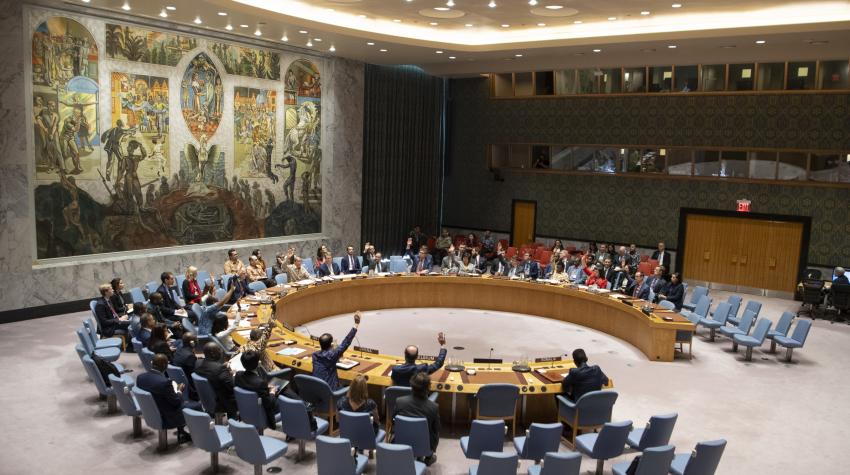
The current multinational security mission, led by Kenya, was established to support Haiti's National Police in restoring order and combating gang violence. However, this mission has faced significant challenges in effectively addressing the scale and complexity of Haiti's security situation. The limited resources and operational constraints have hampered its ability to make substantial progress against well-armed and organized criminal groups.
US Proposal for Enhanced Force
The Trump administration's proposal calls for a fundamental restructuring of the international response to Haiti's crisis. The new force would feature enhanced funding, greater personnel numbers, and more advanced equipment specifically designed for gang suppression operations. This approach reflects growing concerns that the current mission lacks the necessary capabilities to effectively counter the sophisticated criminal networks operating throughout Haiti.
Security Council Considerations
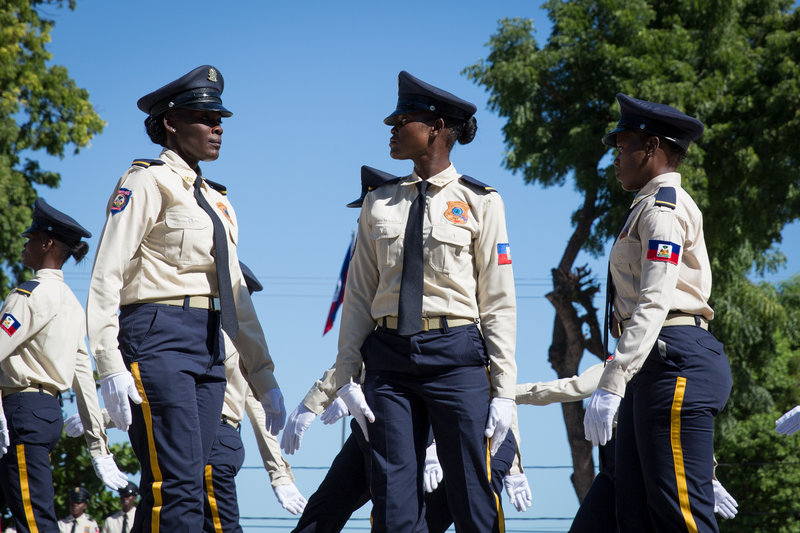
The UN Security Council is currently evaluating the US proposal amid divided international perspectives on the appropriate approach to Haiti's crisis. Some member states express concerns about the potential implications of deploying a larger military-style force, while others argue that the severity of the situation demands more robust intervention. The council must balance immediate security needs with long-term stability considerations.
Regional Implications
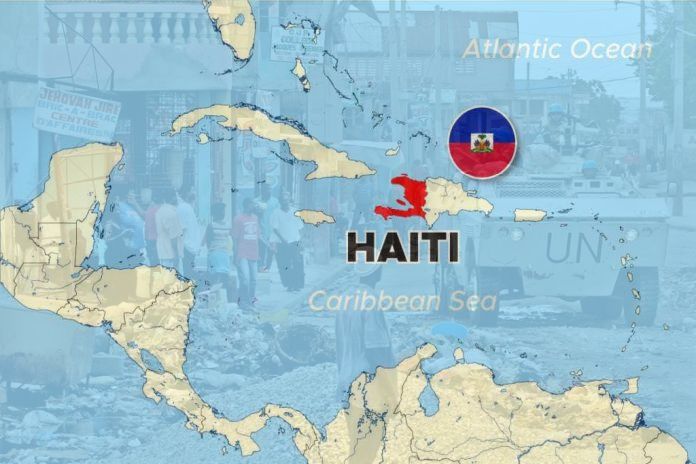
The proposed mission overhaul carries significant implications for regional security dynamics in the Caribbean. A more substantial international presence in Haiti could potentially stabilize the country and reduce spillover effects affecting neighboring nations. However, it also raises questions about sovereignty, long-term engagement strategies, and the appropriate balance between international intervention and local capacity building.
The US proposal to replace Kenya's leadership with a more substantial gang suppression force represents a pivotal moment in international efforts to address Haiti's security crisis. As the UN Security Council deliberates this significant policy shift, the international community watches closely, recognizing that the decision will shape Haiti's trajectory for years to come and potentially establish new precedents for international intervention in similar crises worldwide.