Key Priorities for the 80th Session of the UN General Assembly
The 80th session of the United Nations General Assembly will focus on three critical priorities: advancing the UN80 reform agenda, guiding the selection process for the next UN secretary-general, and regaining momentum on the Sustainable Development Goals. These initiatives represent crucial steps toward strengthening global governance and addressing pressing international challenges through multilateral cooperation and diplomatic engagement.
The 80th session of the United Nations General Assembly (UNGA) represents a pivotal moment in global governance, with three key priorities taking center stage in the international diplomatic agenda. This session comes at a critical juncture for multilateral cooperation, as nations grapple with complex global challenges that require coordinated action and renewed commitment to international institutions.
Advancing the UN80 Reform Agenda
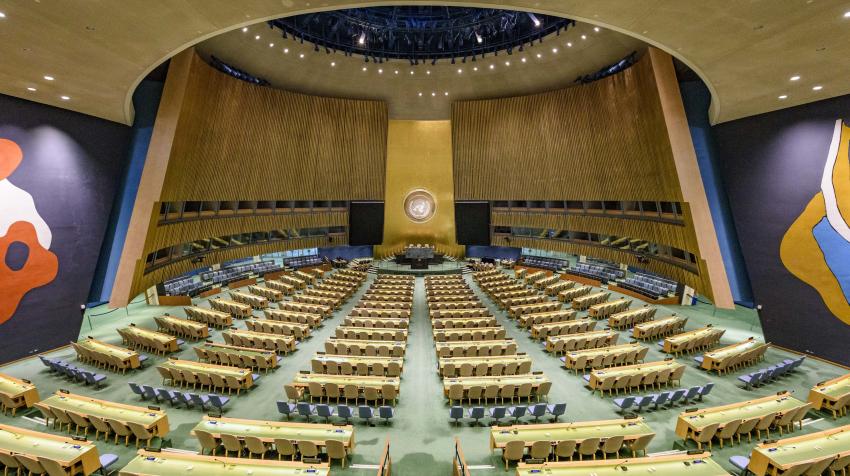
The UN80 reform agenda stands as a cornerstone of the 80th session's objectives. This comprehensive initiative aims to modernize and strengthen the United Nations system to better address contemporary global challenges. The reform process focuses on enhancing the efficiency, transparency, and effectiveness of UN operations across various agencies and programs. Member states will engage in detailed discussions about restructuring mechanisms, improving coordination between different UN bodies, and ensuring that the organization remains responsive to evolving international needs.
Selecting the Next UN Secretary-General
One of the most significant responsibilities of the 80th session involves guiding the selection process for the next UN secretary-general. This leadership transition represents a crucial moment for the organization's future direction. The General Assembly will work closely with the Security Council to identify and evaluate potential candidates, ensuring a transparent and inclusive selection process. The chosen candidate will need to demonstrate strong diplomatic skills, visionary leadership, and the ability to navigate complex international relations while advancing the UN's core mission of maintaining peace and security.
Revitalizing Sustainable Development Goals
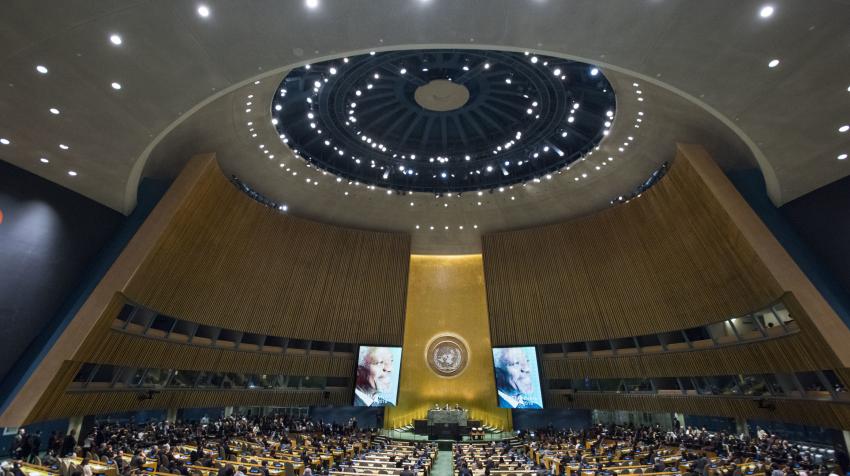
Regaining momentum on the Sustainable Development Goals (SDGs) constitutes the third major priority for the 80th session. With the 2030 deadline approaching, there is urgent need to accelerate progress toward these global objectives. The session will focus on identifying implementation gaps, mobilizing additional resources, and strengthening partnerships between governments, civil society, and private sector actors. Particular attention will be given to addressing setbacks caused by recent global challenges and developing innovative approaches to achieve the SDGs within the remaining timeframe.
Broader Implications for Global Governance
The outcomes of the 80th session will have far-reaching implications for international cooperation and global governance structures. Success in these priority areas could significantly enhance the UN's ability to address pressing issues such as climate change, conflict resolution, humanitarian crises, and economic development. The session also provides an opportunity for member states to reaffirm their commitment to multilateralism and demonstrate the continued relevance of the United Nations in addressing 21st-century challenges.
As the 80th session progresses, international observers will closely monitor developments in these three priority areas. The success of these initiatives will depend on constructive dialogue, political will from member states, and effective coordination between different stakeholders. The decisions made during this session will shape the future direction of the United Nations and its capacity to serve as the primary platform for international cooperation and global problem-solving in the years ahead.