Trump Dismisses Jimmy Kimmel Show Suspension as 'Lack of Talent' Rather Than Free Speech Issue
Former President Donald Trump has characterized the suspension of Jimmy Kimmel's late-night show as a matter of talent deficiency rather than a free speech concern. Trump dismissed reactions to the show's suspension, stating that Kimmel's departure was due to poor performance rather than political censorship. This commentary adds to the ongoing discourse about media freedom and entertainment industry dynamics during political controversies.
Former President Donald Trump has entered the conversation surrounding Jimmy Kimmel's late-night show suspension with characteristically blunt commentary. Rather than framing the situation as a free speech issue, Trump attributed the show's suspension to what he called a "lack of talent" on Kimmel's part. This perspective challenges the narrative that the suspension represents censorship or political retaliation, instead positioning it as a performance-based decision within the entertainment industry.
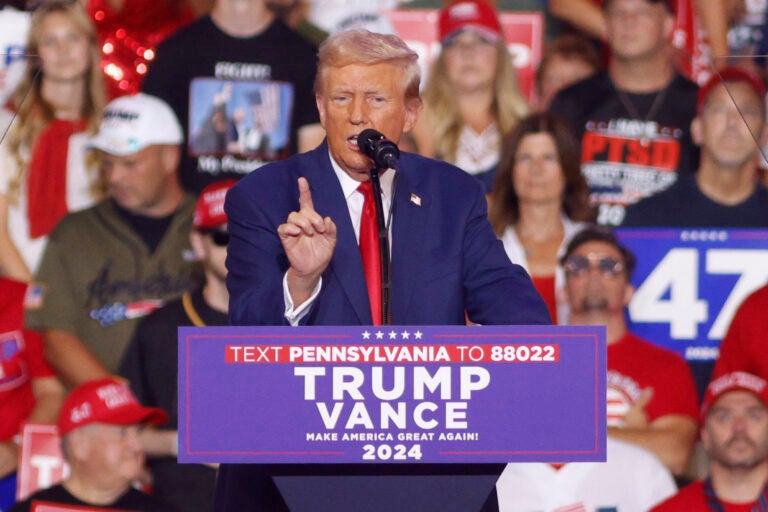
The controversy stems from Kimmel's recent comments about conservative commentator Charlie Kirk, which Trump characterized as "a horrible thing" during his remarks. According to reports from PBS NewsHour, Trump addressed the situation directly, dismissing concerns about free speech implications and focusing instead on what he perceives as Kimmel's professional shortcomings. This approach reflects Trump's consistent pattern of attacking media figures he disagrees with by questioning their competence rather than engaging directly with content criticisms.
Political Context and Media Dynamics
The intersection of politics and entertainment media has become increasingly contentious in recent years, with late-night shows often serving as platforms for political commentary. Trump's response to Kimmel's situation follows his established pattern of confronting media criticism by attacking the credibility and talent of journalists and entertainers alike. This particular incident highlights how political figures increasingly engage with entertainment media controversies, blurring the lines between political discourse and entertainment industry matters.
Broader Implications for Media Freedom
While Trump frames the issue as one of talent rather than censorship, the situation raises important questions about how we distinguish between performance-based decisions and content-based restrictions in media. The entertainment industry has long balanced creative freedom with audience appeal and network standards, but political considerations increasingly influence these calculations. Trump's commentary, while dismissive of free speech concerns, nonetheless contributes to the ongoing conversation about how political figures should engage with media controversies and what constitutes appropriate criticism of public figures in the entertainment industry.
The response to Trump's comments has been predictably divided along political lines, with supporters applauding his direct approach and critics arguing that it undermines serious discussions about media freedom. What remains clear is that the relationship between political figures and entertainment media continues to evolve in complex ways, with incidents like the Kimmel suspension serving as flashpoints for broader debates about speech, talent, and political influence in American media.