UN Secretary-General Proposes 15% Budget Cut for 2026 Amid Financial Challenges
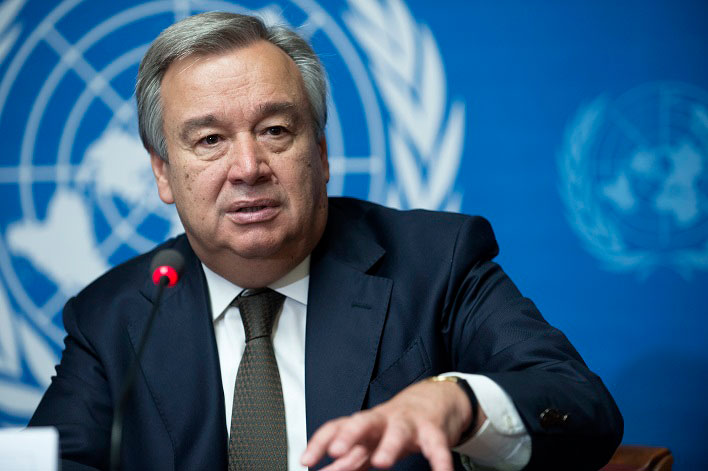
United Nations Secretary-General Antonio Guterres has proposed a significant 15% reduction in the UN's regular budget for 2026, addressing chronic liquidity issues exacerbated by recent U.S. policies under President Donald Trump. This strategic move aims to stabilize the organization's financial position while maintaining essential operations. The proposal comes as the UN faces increasing pressure to streamline operations and demonstrate fiscal responsibility to member states.
United Nations Secretary-General Antonio Guterres has put forward a bold proposal to reduce the UN's regular budget by 15% for the 2026 fiscal year. This significant cut comes as the international organization grapples with persistent financial challenges that have been intensified by recent geopolitical developments and funding uncertainties.
The proposed budget reduction reflects the UN's ongoing struggle with chronic liquidity problems that have plagued the organization for several years. These financial constraints have been particularly acute following policy changes implemented during the Trump administration, which affected the United States' contribution patterns to international organizations.
Financial Context and Challenges
The United Nations has historically faced budgetary pressures, but recent years have seen these challenges intensify. The organization relies heavily on contributions from member states, with the United States traditionally being the largest contributor. However, shifting political priorities and budgetary constraints among key donor nations have created significant financial instability.
Chronic liquidity issues have forced the UN to implement various cost-saving measures and efficiency improvements across its operations. The proposed 15% cut represents one of the most substantial budgetary adjustments in recent UN history, signaling the severity of the current financial situation.
Impact on UN Operations
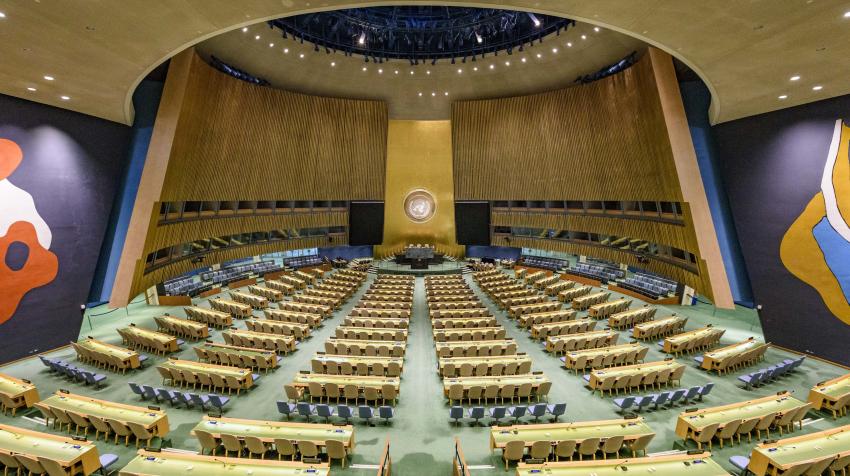
While specific details of how the budget reduction will be implemented remain under discussion, the proposal will likely affect various UN programs and operations. The Secretary-General's office will need to carefully prioritize essential functions while identifying areas where efficiencies can be achieved without compromising the organization's core mission.
The budget cut proposal comes at a time when the UN faces increasing demands for its services, particularly in areas of conflict resolution, humanitarian assistance, and sustainable development. Balancing these competing priorities while implementing significant budgetary reductions will require careful strategic planning and coordination among member states.
Future Implications
The proposed budget reduction raises important questions about the future funding model for international organizations. As geopolitical dynamics continue to evolve, the UN and similar institutions may need to develop more sustainable financial frameworks that are less vulnerable to political shifts in individual member states.
This development also highlights the ongoing challenge of maintaining multilateral cooperation in an increasingly complex global landscape. The success of Secretary-General Guterres' proposal will depend on careful negotiation and consensus-building among the UN's diverse membership.