Humanitarian Crisis in Gaza: No Safe Zones Amid Ongoing Conflict
Palestinian and UN officials report that no location in Gaza remains safe for civilians, including areas designated by Israel as humanitarian zones. The ongoing conflict has created a severe humanitarian crisis with limited access to essential supplies and protection. This article examines the current situation, the challenges facing civilian populations, and the international response to the escalating crisis in the region.
The humanitarian situation in Gaza continues to deteriorate dramatically, with Palestinian authorities and United Nations officials consistently reporting that no area provides adequate safety for civilians. Despite Israel's designation of specific southern areas as "humanitarian zones," these locations have proven insufficient to protect vulnerable populations from the ongoing conflict's devastating impacts.
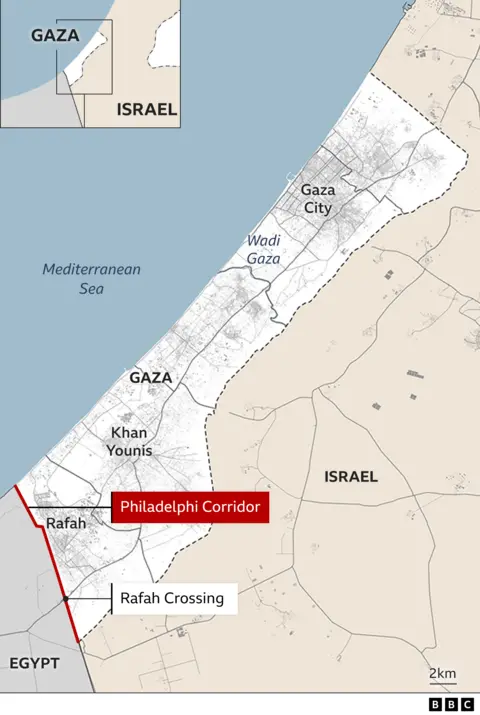
Current Humanitarian Situation
The conflict has created unprecedented challenges for Gaza's civilian population. Essential services including healthcare, water, and electricity have been severely compromised, leaving millions in desperate need of humanitarian assistance. According to reports from Global News, the designated safe zones have failed to provide the protection promised, with continued incidents endangering civilians who sought refuge in these areas.
International Response and Concerns
United Nations agencies and international humanitarian organizations have expressed grave concerns about the deteriorating conditions. The lack of truly safe spaces has complicated relief efforts and put aid workers at significant risk. The international community continues to call for immediate ceasefires and improved access for humanitarian organizations to deliver critical supplies to affected populations.

Challenges in Designated Safe Zones
Israel's designation of humanitarian zones was intended to create protected spaces where civilians could seek safety. However, practical implementation has faced numerous challenges. These areas often lack adequate infrastructure, sufficient supplies, and proper security measures to ensure genuine protection. The reality on the ground contradicts the theoretical safety these zones were supposed to provide.
Impact on Civilian Population
The continuous insecurity has had devastating consequences for Gaza's residents. Families face impossible choices between remaining in dangerous locations or moving to areas that offer little improvement in safety conditions. The psychological trauma, displacement, and loss of basic necessities have created a humanitarian catastrophe that requires immediate international attention and intervention.

The situation in Gaza represents one of the most severe humanitarian crises in recent memory. The failure of designated safe zones to provide adequate protection underscores the urgent need for comprehensive solutions that prioritize civilian safety. International diplomatic efforts must intensify to establish genuine safe passages and ensure unimpeded humanitarian access, while working toward a sustainable resolution to the underlying conflict.