FBI Director Kash Patel Faces Tense Congressional Hearing Over Leadership and Kirk Investigation
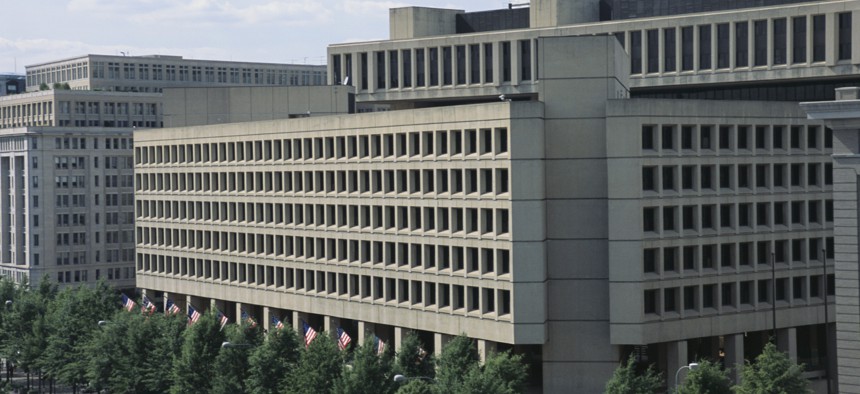
FBI Director Kash Patel faced intense scrutiny during a congressional hearing where Democratic senators challenged his leadership of the agency and his handling of the Charlie Kirk investigation. The hearing revealed deep partisan divisions over the FBI's operations and raised questions about political influence in law enforcement decisions. Patel defended his record, emphasizing the agency's commitment to impartial justice.
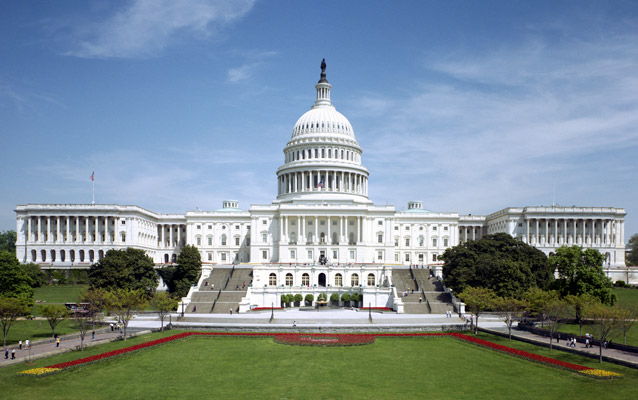
FBI Director Kash Patel found himself at the center of a political storm during a recent congressional hearing, where Democratic senators launched pointed questions about his leadership and the handling of high-profile investigations. The tense exchange on Capitol Hill highlighted the ongoing political tensions surrounding the nation's top law enforcement agency and raised fundamental questions about the intersection of politics and justice.
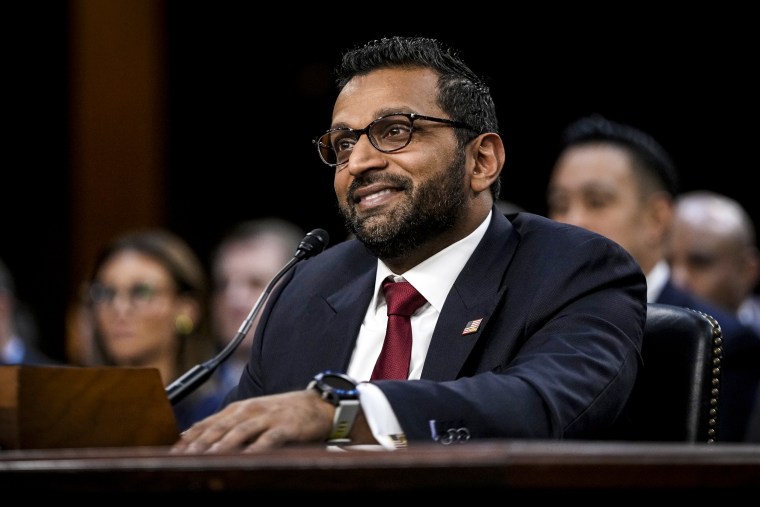
The hearing, which quickly turned contentious, focused particularly on Patel's approach to the investigation involving conservative activist Charlie Kirk. Democratic committee members expressed concerns about potential political bias in the investigation's handling, while Patel maintained that all FBI operations follow strict procedural guidelines and remain free from political influence.
Key Points of Contention
Several critical issues emerged during the hearing that underscored the deep political divisions surrounding the FBI's current leadership. Democratic senators pressed Director Patel on multiple fronts, seeking clarity on operational decisions and leadership philosophy.
Charlie Kirk Investigation Handling
The handling of the Charlie Kirk investigation became a focal point of the hearing. Senators questioned whether proper protocols were followed and whether political considerations influenced investigative decisions. Patel defended the agency's actions, stating that all investigations are conducted according to established legal standards and without regard to political affiliations.
Leadership Philosophy and Agency Direction
Beyond specific investigations, senators raised broader concerns about Patel's leadership approach and the direction of the FBI under his tenure. Questions addressed operational transparency, internal accountability measures, and the maintenance of the agency's traditional independence from political pressures.
Broader Implications
The hearing reflects ongoing tensions between law enforcement agencies and political oversight bodies. These exchanges often reveal fundamental disagreements about the proper balance between executive branch independence and congressional oversight responsibilities.
The proceedings also highlighted the challenges facing modern law enforcement leadership in navigating increasingly polarized political environments. The ability to maintain public trust while operating within contentious political landscapes remains a critical concern for agency leaders.
Moving Forward
As the hearing concluded, it became clear that these issues would continue to shape the relationship between the FBI and congressional oversight committees. The exchange underscored the importance of maintaining clear communication channels and established protocols for addressing concerns about law enforcement operations.
The ongoing dialogue between executive agencies and legislative bodies remains essential for maintaining accountability while preserving operational effectiveness. Both sides emphasized the need for continued discussion and transparency in addressing these complex issues.