U.S. Conducts Second Venezuela Ship Strike in Anti-Drug Operation
The United States has conducted a second military strike against suspected drug trafficking vessels off the coast of Venezuela, resulting in three fatalities according to President Trump. This operation follows a similar strike two weeks prior that killed 11 people, marking an escalation in U.S. anti-narcotics efforts in the region. The actions represent continued pressure on Venezuelan drug trafficking networks amid ongoing political tensions.
The United States has intensified its anti-drug operations in the Caribbean with a second military strike targeting suspected narcotics trafficking vessels near Venezuela. President Donald Trump confirmed via social media that three individuals aboard the targeted vessel were killed in this latest operation, which occurred just two weeks after a previous strike resulted in 11 fatalities.

These consecutive military actions represent a significant escalation in U.S. efforts to combat drug trafficking originating from Venezuelan waters. The operations are part of broader regional security initiatives aimed at disrupting narcotics supply chains that transport drugs toward North American markets.
Strategic Context and Regional Implications
The timing and frequency of these strikes indicate a more aggressive approach to maritime drug interdiction in the Caribbean Sea. Venezuela has long been identified as a major transit point for cocaine and other narcotics originating from South America, with various armed groups and criminal organizations utilizing maritime routes to evade detection.
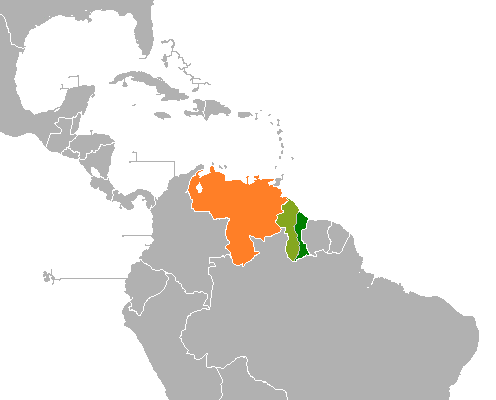
These military operations occur against the backdrop of ongoing political tensions between the United States and Venezuela. The U.S. has maintained economic sanctions and diplomatic pressure on the Venezuelan government, citing concerns about narcotics trafficking, terrorism financing, and democratic governance.
Operational Details and Legal Framework
The strikes are conducted under U.S. counter-narcotics authorities that allow for military intervention against suspected drug trafficking vessels in international waters. These operations typically involve coordination between various U.S. agencies, including the Department of Defense, Drug Enforcement Administration, and Coast Guard.
International law permits nations to intercept vessels engaged in illicit activities on the high seas, particularly when there is reasonable suspicion of drug trafficking. However, the use of lethal force remains subject to scrutiny regarding proportionality and necessity principles under international humanitarian law.
Regional Security Considerations
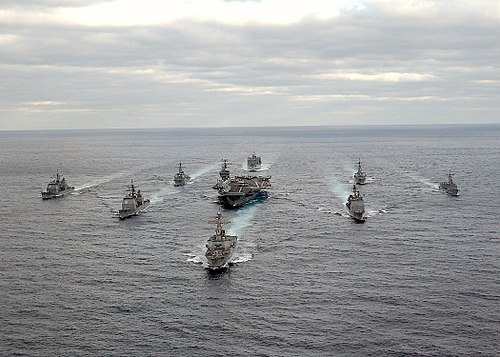
The increased military activity in the Caribbean reflects broader security concerns about transnational criminal organizations exploiting political instability and economic challenges in Venezuela. These groups often use fishing vessels and other maritime craft to transport large quantities of narcotics, taking advantage of vast maritime territories that are challenging to monitor effectively.
Regional partners have expressed mixed reactions to these operations. Some Caribbean nations have welcomed increased U.S. involvement in combating drug trafficking, while others have raised concerns about sovereignty and the potential for escalation in regional tensions.
The consecutive nature of these strikes suggests intelligence-driven operations targeting specific trafficking networks rather than random interdiction efforts. This approach indicates sophisticated surveillance and intelligence capabilities being deployed against maritime drug trafficking operations.
As these operations continue, they will likely influence regional security dynamics and international relations between the United States, Venezuela, and other Caribbean nations. The effectiveness of such military interventions in reducing drug flows remains a subject of ongoing analysis and debate among security experts.