Israel's Military Advances into Gaza City Amid Renewed Evacuation Calls
Israeli forces have begun pushing into the heart of Gaza City, according to military statements, marking a significant escalation in the ongoing conflict. The military has renewed urgent calls for civilians to evacuate the area as ground operations intensify. This development represents a critical phase in the military campaign against Hamas, with troops advancing deeper into urban centers amid growing humanitarian concerns.
Israeli military forces have initiated a significant ground offensive into central Gaza City, marking a new phase in the ongoing conflict with Hamas. According to official statements, troops are now advancing into the heart of the densely populated urban area, raising urgent concerns about civilian safety and humanitarian conditions.
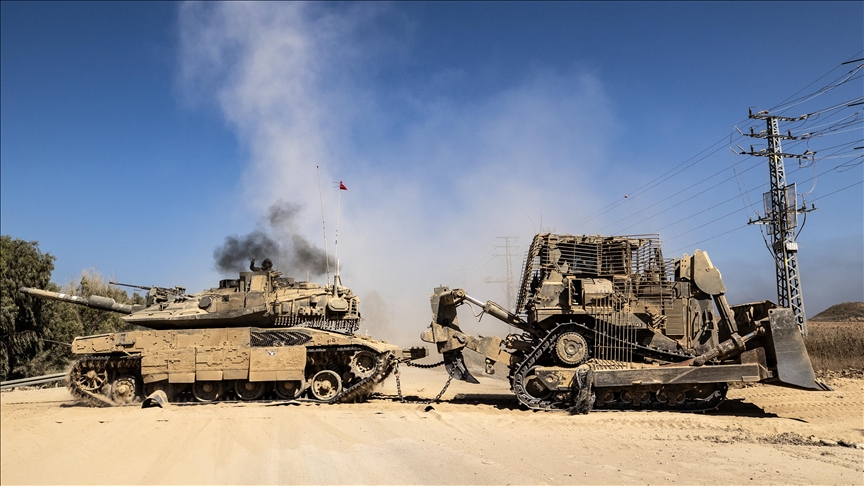
The Israel Defense Forces (IDF) have renewed their evacuation calls, urging thousands of war-weary civilians to leave the combat zones immediately. This development comes as ground operations intensify following weeks of aerial bombardment and limited ground incursions along the periphery of Gaza City.
Military Strategy and Urban Warfare
The push into Gaza City's core represents a strategic shift in Israel's military approach. Urban warfare presents unique challenges for both military forces and civilian populations, with dense building structures complicating combat operations while increasing risks to non-combatants. The IDF has emphasized its efforts to minimize civilian casualties while targeting Hamas infrastructure and operatives.

Humanitarian Concerns and Evacuation Efforts
International organizations have expressed growing alarm about the humanitarian situation in Gaza City. The renewed evacuation calls come amid limited safe routes and deteriorating conditions in designated safe zones. Aid agencies report critical shortages of food, water, medical supplies, and fuel throughout the Gaza Strip, with the situation particularly dire in urban combat zones.
Civilians face impossible choices between remaining in dangerous combat areas or attempting perilous evacuations through active conflict zones. The United Nations and other international bodies have called for immediate humanitarian pauses to allow for safe civilian passage and aid delivery.
Regional and International Response
The escalation has drawn mixed reactions from the international community. Several nations have expressed support for Israel's right to self-defense against Hamas attacks, while simultaneously calling for protection of civilian lives and adherence to international humanitarian law. Regional neighbors have voiced concerns about the conflict's potential to destabilize the broader Middle East.
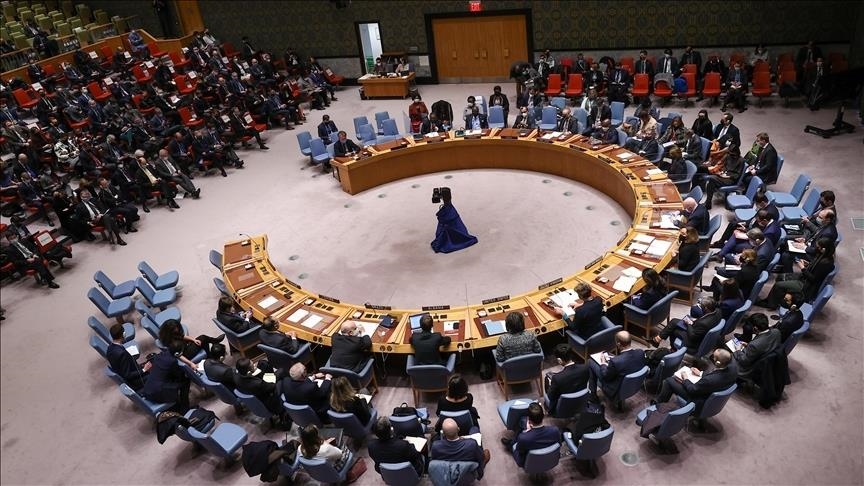
Diplomatic efforts continue behind the scenes, with multiple countries attempting to broker ceasefires or humanitarian arrangements. However, the deepening ground offensive complicates these efforts as military operations create new facts on the ground.
Future Implications
The advancement into Gaza City's center suggests a prolonged military campaign with significant implications for both the immediate conflict and long-term regional stability. The operation's success in degrading Hamas capabilities must be weighed against humanitarian costs and potential political consequences.
As troops continue their push into urban areas, the international community watches closely, balancing security concerns with humanitarian imperatives. The coming days will be critical in determining both the military outcome and the human cost of this escalated phase of the conflict.