UN Human Rights Council to Hold Urgent Debate on Israeli Airstrike in Qatar
The United Nations Human Rights Council will convene an urgent debate on Tuesday in Geneva to address Israel's September 9th airstrike targeting Hamas leaders in Qatar. This emergency session reflects growing international concern over the cross-border military operation and its implications for regional stability and human rights protections. The debate comes amid heightened tensions in the Middle East and will likely examine the legal and humanitarian dimensions of the attack.
The United Nations Human Rights Council has announced it will hold an urgent debate on Tuesday in Geneva concerning Israel's September 9 military operation targeting Hamas leadership figures in Qatar. This emergency session underscores the international community's heightened concern over cross-border military actions and their potential implications for regional stability and human rights standards.

The scheduled debate follows Israel's targeted airstrike against Hamas officials in Qatar, an operation that has raised significant questions about sovereignty, international law, and counterterrorism strategies. The Human Rights Council's decision to convene an urgent session indicates the seriousness with which the international community views this development and its potential consequences for Middle East diplomacy.
Context and Background
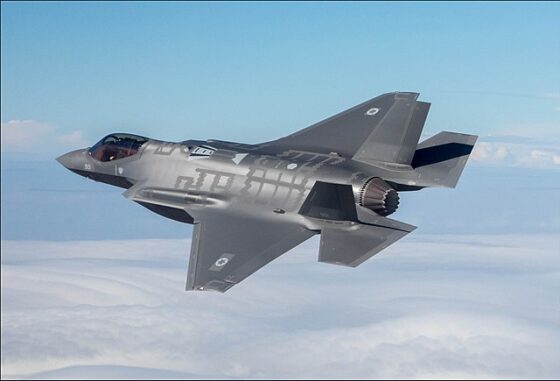
The September 9th operation represents a significant escalation in Israel's counterterrorism efforts, marking one of the most direct military actions taken against Hamas leadership outside traditional conflict zones. This move comes amid ongoing tensions between Israel and Hamas, particularly following recent hostilities and continued security challenges in the region.
International Response and Legal Considerations
The urgent debate at the Human Rights Council will likely focus on several key legal and humanitarian issues. Participants are expected to examine whether the operation complied with international law regarding the use of force and respect for national sovereignty. The session will also address potential human rights implications and the precedent such actions might set for future counterterrorism operations.
Regional Implications
This development occurs against a backdrop of complex regional dynamics, including Qatar's role as a mediator in previous conflicts and its relationships with various regional actors. The airstrike and subsequent international response could potentially affect diplomatic relations and security arrangements throughout the Middle East.

The Human Rights Council's urgent debate represents a critical moment for international diplomacy and human rights protection. The outcomes of this session could influence future approaches to counterterrorism operations, cross-border military actions, and the balance between national security concerns and international legal obligations. As the international community gathers in Geneva, the world will be watching closely to see how this complex situation unfolds and what implications it may hold for global security and human rights frameworks.