Ghana Facilitates Return of Deported West Africans to Nigeria and Gambia
Ghanaian authorities have facilitated the return of 14 West African immigrants who were deported from the United States to their home countries of Nigeria and Gambia. The Ghanaian government accepted these individuals on humanitarian grounds, demonstrating regional cooperation in addressing complex immigration challenges. This action highlights Ghana's role as a regional leader in handling migration issues and the ongoing challenges faced by deportees returning to their countries of origin.
Ghana has demonstrated regional leadership by facilitating the return of 14 West African immigrants who were deported from the United States to their respective home countries. The individuals, who had been sent to Ghana despite not being Ghanaian citizens, were subsequently transferred to Nigeria and Gambia through coordinated efforts between the Ghanaian government and international partners.

The Ghanaian authorities accepted these deportees on humanitarian grounds, recognizing the complex circumstances surrounding their situation. This decision reflects Ghana's commitment to regional cooperation and humane treatment of migrants, even when they are not citizens of the country. The move comes amid ongoing discussions about immigration policies and the treatment of deportees across West Africa.
Humanitarian Considerations
Ghana's acceptance of these deportees was primarily motivated by humanitarian concerns. The individuals faced significant challenges upon being deported to a country where they had no family connections or support systems. By accepting them temporarily and facilitating their return to their actual home countries, Ghana prevented these individuals from becoming stranded without resources or legal status.
Regional Cooperation Framework
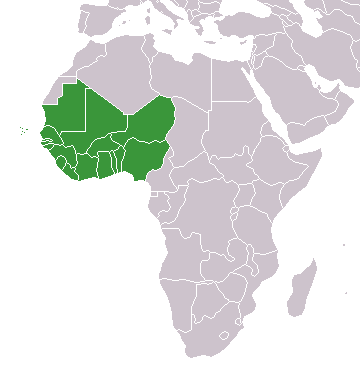
This incident highlights the importance of regional cooperation in addressing migration challenges. Ghana's actions demonstrate how neighboring countries can work together to find humane solutions to complex immigration issues. The successful transfer of these individuals required coordination between multiple governments and international organizations, showcasing the potential for collaborative approaches to migration management in West Africa.
The case also underscores the need for clearer protocols regarding the treatment of deportees and the responsibilities of both sending and receiving countries. As migration patterns continue to evolve in the region, such cooperative frameworks will become increasingly important for ensuring that individuals' rights are protected throughout the deportation and reintegration process.