Missouri Joins States Seeking Congressional Redistricting Ahead of Midterms
Missouri has become the third state to initiate congressional redistricting efforts ahead of next year's midterm elections. This move follows similar actions by other states and reflects ongoing political maneuvering around electoral maps. The redistricting process could significantly impact Missouri's congressional representation and influence the balance of power in Washington.
Missouri has emerged as the third state to pursue congressional redistricting ahead of next year's midterm elections, joining a growing trend of states reevaluating their electoral boundaries. This development comes at a critical juncture in the political calendar and could have substantial implications for Missouri's congressional delegation and national political dynamics.
Redistricting Timeline and Process
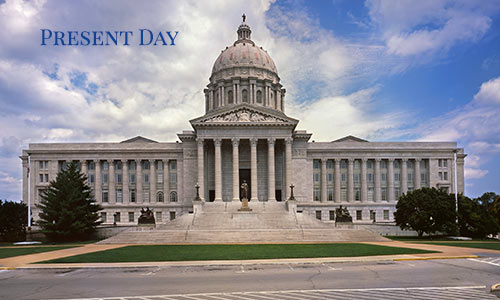
The Missouri legislature has begun considering redistricting proposals that would alter the state's congressional district boundaries. This process typically involves extensive debate and negotiation between political parties, as the outcome can determine which party gains advantage in future elections. The timing of Missouri's initiative places it among the early movers in what is expected to be a widespread redistricting effort across multiple states.
Political Implications
Congressional redistricting in Missouri could significantly affect the state's political landscape. Changes to district boundaries may alter voter demographics within each district, potentially shifting the competitive balance between political parties. The outcome of this redistricting effort will be closely watched by political analysts and party strategists nationwide, as Missouri's congressional seats could play a crucial role in determining control of the U.S. House of Representatives.

Legal and Constitutional Considerations
The redistricting process must adhere to both state and federal legal requirements, including equal population distribution across districts and compliance with the Voting Rights Act. Missouri's effort to redraw its maps follows established constitutional guidelines while navigating the complex political considerations that inevitably accompany such changes. The final maps will need to withstand potential legal challenges from various stakeholders.
As Missouri moves forward with its redistricting plans, the process will continue to evolve through legislative debate, public input, and potential legal review. The outcome will not only shape Missouri's congressional representation but may also influence redistricting approaches in other states facing similar decisions ahead of the upcoming election cycle.