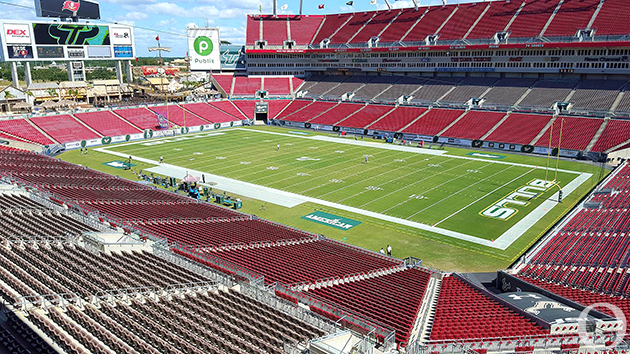
August Jobs Report Indicates Cooling Labor Market as NFL Fantasy Football Season Kicks Off
The latest August jobs report reveals signs of a cooling labor market with moderated hiring trends, while fantasy football enthusiasts prepare for the opening weekend of NFL action. This analysis examines key economic indicators and provides strategic insights for fantasy team management as both economic and sporting landscapes evolve simultaneously.
The convergence of economic data and sports entertainment creates a unique intersection this September, with the August jobs report signaling potential shifts in the labor market while millions of Americans engage in fantasy football competitions. This dual focus reflects the broader cultural and economic landscape where professional analysis meets popular pastimes.

The August employment data suggests a moderating labor market after periods of robust growth, indicating potential economic recalibration. This cooling trend presents important implications for both economic policy and consumer behavior as we approach the final quarter of the year.
Labor Market Analysis
Recent employment figures show a noticeable deceleration in hiring momentum across various sectors. The moderation in job growth aligns with broader economic indicators suggesting a gradual normalization after post-pandemic recovery phases. This cooling pattern typically indicates a maturing economic cycle rather than immediate concern, though continued monitoring remains essential for assessing overall economic health.
Key sectors showing adjusted hiring patterns include technology, retail, and hospitality, reflecting both seasonal adjustments and broader economic trends. The data suggests employers are adopting more cautious hiring approaches amid evolving economic conditions and uncertainty about future demand patterns.
Fantasy Football Landscape
As the labor market shows signs of moderation, fantasy football participants are analyzing player performances and team dynamics for the upcoming NFL season. The intersection of statistical analysis and sports strategy mirrors the data-driven approach seen in economic reporting, with both domains relying on performance metrics and predictive modeling.
Fantasy sports represent a significant cultural and economic phenomenon, with millions of participants engaging in leagues that combine sports knowledge, statistical analysis, and strategic decision-making. The parallel between economic data interpretation and fantasy sports analytics highlights the growing importance of data literacy across various aspects of modern life.
Economic and Cultural Convergence
The simultaneous focus on employment data and sports entertainment illustrates how economic indicators and popular culture often intersect in public discourse. Both domains involve performance measurement, trend analysis, and strategic planning, albeit in different contexts. This convergence reflects the multifaceted nature of modern information consumption and public interest.
Understanding both economic trends and cultural phenomena provides valuable insights into consumer behavior, market dynamics, and social patterns. The ability to analyze diverse data sets—from employment statistics to sports performance metrics—becomes increasingly valuable in a data-rich environment.
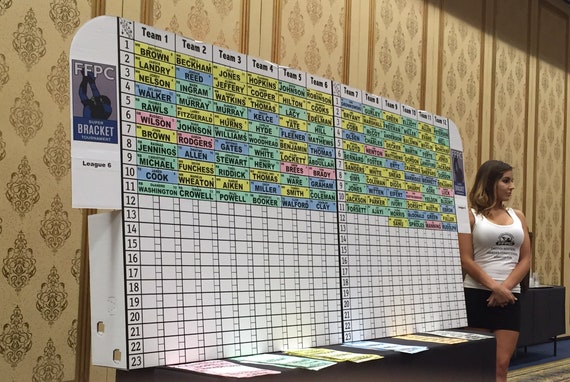
The August jobs report and NFL season opening represent two distinct yet interconnected aspects of American life. The cooling labor market signals important economic transitions, while fantasy football continues to engage millions in data analysis and strategic competition. Both domains underscore the importance of informed decision-making based on available data and trends.