U.S. Designates Two Ecuadorian Gangs as Foreign Terrorist Organizations
Secretary of State Marco Rubio announced the designation of two Ecuadorian criminal organizations as Foreign Terrorist Organizations during his diplomatic visit to Latin America. This significant policy move comes amid heightened regional security concerns and follows recent U.S. military actions against Venezuela's Tren de Aragua gang. The designations represent a strategic shift in addressing transnational criminal threats in the Western Hemisphere.
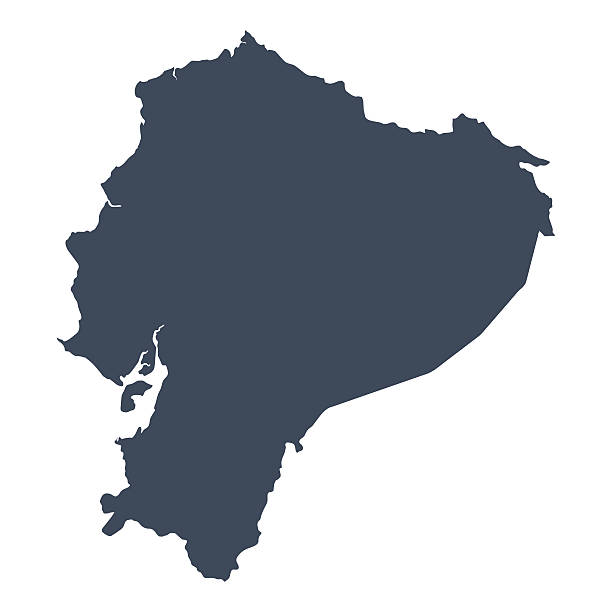
In a significant development in U.S. foreign policy and regional security strategy, Secretary of State Marco Rubio announced on Thursday the designation of two Ecuadorian criminal organizations as Foreign Terrorist Organizations. The announcement came during Rubio's diplomatic visit to Ecuador, part of a broader Latin American tour that has been overshadowed by recent U.S. military actions against Venezuela's Tren de Aragua, another designated criminal group.

The designations mark a strategic escalation in the United States' approach to combating transnational criminal organizations in the Western Hemisphere. By classifying these groups as Foreign Terrorist Organizations, the U.S. government enables a broader range of legal and financial tools to disrupt their operations, including asset freezes, travel bans, and enhanced law enforcement cooperation with regional partners.
Regional Security Implications
This policy decision reflects growing concerns about the expanding influence of criminal networks throughout Latin America. The designation of Ecuadorian gangs as terrorist organizations signals a recognition that these groups pose not only criminal threats but also significant national security challenges to regional stability. The move aligns with broader U.S. efforts to address security issues that transcend national borders and require coordinated international response.
Diplomatic Context and Timing
Secretary Rubio's announcement during his visit to Ecuador underscores the diplomatic importance the United States places on regional security cooperation. The timing of this designation, following military actions against Venezuela's Tren de Aragua, suggests a coordinated strategy to address multiple criminal threats simultaneously. This approach demonstrates the administration's commitment to using both diplomatic and military tools in combating transnational organized crime.
The designations are expected to facilitate increased intelligence sharing and joint operations between U.S. and Ecuadorian authorities. They also send a clear message to other criminal organizations in the region about the consequences of engaging in activities that threaten regional security and stability.