Trump's Plan to Deploy National Guard to Chicago: Emergency Powers Debate
Former President Donald Trump's proposal to deploy National Guard troops to Chicago has sparked significant controversy and legal debate. The plan centers on using emergency powers to address urban violence, but faces questions about constitutional authority and federal overreach. This analysis examines what we know about the proposal, the legal framework surrounding emergency powers, and the ongoing dispute about the limits of presidential authority in domestic security matters.
The proposal by former President Donald Trump to deploy National Guard troops to Chicago represents one of the most contentious domestic security initiatives in recent political discourse. This plan, which would utilize presidential emergency powers, has ignited a fierce debate about constitutional boundaries and federal intervention in local law enforcement matters.
Understanding the National Guard Deployment Proposal
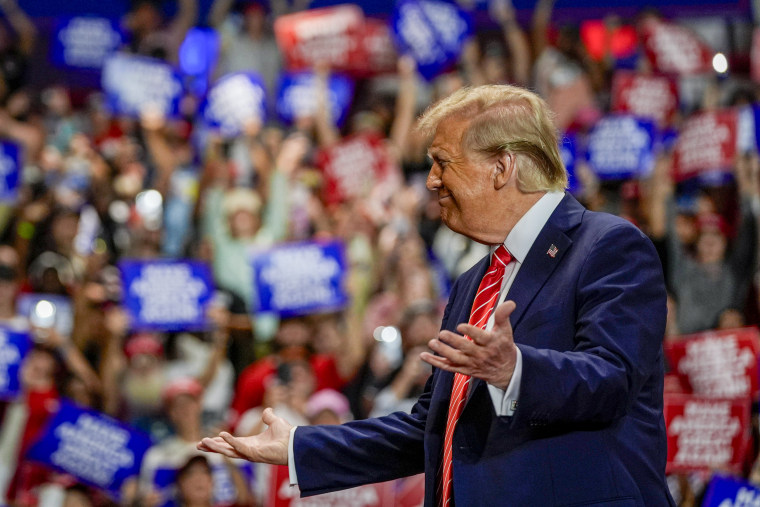
The core of Trump's proposal involves using the Insurrection Act, a centuries-old law that allows presidents to deploy military forces domestically under specific circumstances. According to CBS News coverage, the plan would target Chicago's persistent violence issues through federal military intervention, bypassing traditional state and local authority structures.
Legal Framework and Emergency Powers
The legal basis for such deployment rests on the Insurrection Act of 1807, which grants presidents authority to use military force within the United States to suppress insurrection, domestic violence, or conspiracy against government authority. However, legal experts question whether Chicago's crime situation meets the statutory threshold for invoking these emergency powers.
Constitutional Concerns and States' Rights
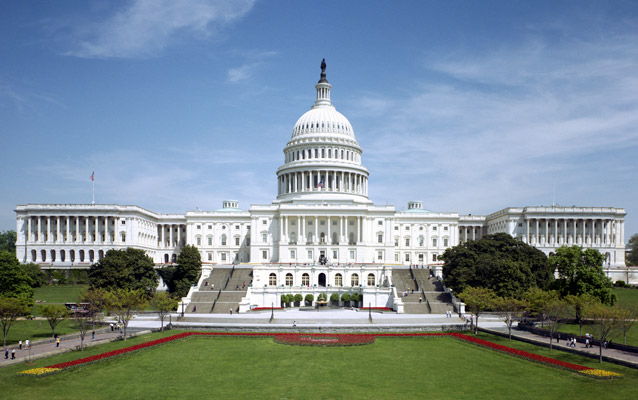
Critics argue that such deployment would violate principles of federalism and states' rights. The Posse Comitatus Act generally prohibits using federal military personnel for law enforcement within the United States, though exceptions exist under the Insurrection Act. Legal scholars debate whether urban violence constitutes the type of insurrection or domestic violence envisioned by the statute.
Political and Practical Implications
The proposal has significant political ramifications, touching on issues of federal overreach, racial justice, and urban policy. Practical implementation challenges include coordination with state governments, rules of engagement for military personnel, and potential civil liberties concerns. The debate reflects broader tensions between federal authority and local autonomy in addressing complex social problems.

Current Status and Future Prospects
While Trump has advocated for this approach, actual implementation would face numerous legal and political hurdles. The proposal remains theoretical rather than operational, but it continues to shape discussions about presidential emergency powers and the appropriate federal role in addressing urban violence. The ongoing debate highlights the delicate balance between security needs and constitutional protections in American governance.
The controversy surrounding Trump's Chicago deployment proposal underscores fundamental questions about executive power, federalism, and the limits of military intervention in domestic affairs. As legal scholars and policymakers continue to debate these issues, the proposal serves as a case study in the complex intersection of security policy, constitutional law, and political ideology in contemporary American governance.