Devastating 6.0-Magnitude Earthquake Strikes Eastern Afghanistan
A powerful 6.0-magnitude earthquake struck eastern Afghanistan late Sunday night, causing widespread devastation across remote mountainous regions. The quake's epicenter was located in Kunar province, approximately 100 miles from Kabul, with initial reports indicating thousands of casualties and hundreds still trapped under rubble. The disaster compounds Afghanistan's existing humanitarian crisis, particularly affecting vulnerable communities in hard-to-reach areas where rescue operations face significant challenges.
A devastating 6.0-magnitude earthquake struck eastern Afghanistan late Sunday night, causing catastrophic damage to remote mountainous villages and compounding the country's ongoing humanitarian crisis. The powerful tremor's epicenter was located in Kunar province, approximately 100 miles from the capital city of Kabul, in a region known for its challenging terrain and limited infrastructure.
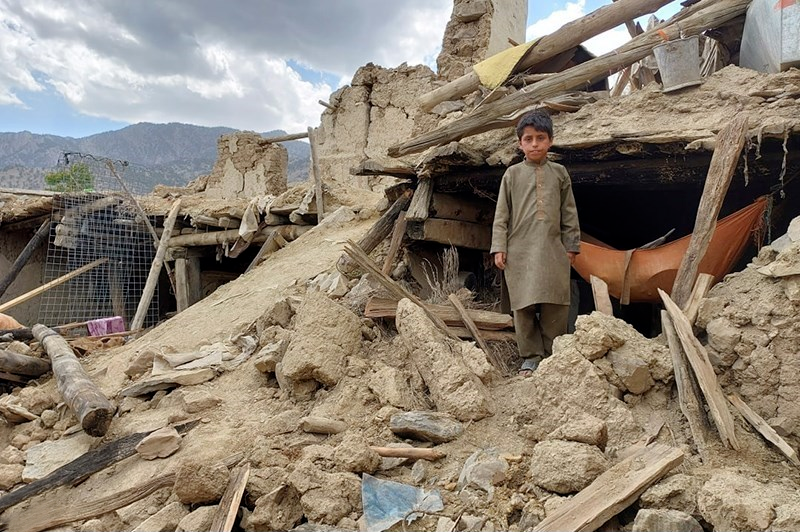
Initial reports indicate widespread destruction across multiple villages, with entire communities reduced to rubble. The earthquake struck during nighttime hours when most residents were asleep, significantly increasing the potential for casualties. Local authorities and international aid organizations report that thousands of people are believed to have been killed or injured, with hundreds more feared trapped under collapsed buildings and debris.
Impact on Remote Communities
The earthquake's location in eastern Afghanistan's mountainous region presents particular challenges for rescue and relief efforts. Kunar province's rugged terrain and limited road infrastructure make accessing affected areas extremely difficult for emergency responders. Many of the hardest-hit villages are located in remote valleys where communication networks are poor and transportation options are limited.

Humanitarian Crisis Compounded
This natural disaster exacerbates Afghanistan's existing humanitarian emergency, which has been ongoing since the Taliban takeover and subsequent economic collapse. The country was already facing one of the world's most severe humanitarian crises, with millions of people requiring emergency assistance for food, shelter, and medical care. The earthquake's destruction of homes and infrastructure further strains already limited resources.
International aid organizations are mobilizing response teams, but face significant logistical challenges due to the remote location and Afghanistan's complex political situation. The timing of the earthquake during nighttime hours and in a difficult-to-access region means that accurate casualty counts and damage assessments may take days to complete as rescue teams reach affected areas.