Congress Returns to Face Government Funding Deadline and Potential Shutdown
As Congress reconvenes from its August recess, lawmakers face an urgent deadline to pass funding legislation and prevent a government shutdown by the end of September. The returning session brings critical budgetary decisions amid ongoing political challenges and competing legislative priorities that could impact federal operations and services nationwide.
Congress returns to Washington this week following its traditional August recess, immediately confronting one of the most pressing legislative challenges: passing funding legislation to keep the federal government operational beyond September 30th. The deadline looms large as lawmakers must navigate complex budgetary negotiations and political divisions to avoid a potential government shutdown that would disrupt federal services and operations across the country.
Funding Deadline Pressures
The immediate priority for both chambers is reaching consensus on appropriations bills that will fund government agencies and programs. With only limited legislative days available before the fiscal year ends, the timeline creates significant pressure for bipartisan cooperation. Historical precedents show that last-minute negotiations often characterize these funding debates, sometimes resulting in temporary continuing resolutions to maintain government operations while final agreements are reached.
Political Dynamics and Challenges
The funding debate occurs within a complex political landscape where differing priorities between congressional chambers and parties must be reconciled. These negotiations typically involve not only budgetary figures but also policy riders and legislative priorities that various factions seek to advance. The process requires careful navigation of competing interests while maintaining essential government functions.

Potential Impacts of Funding Lapse
Failure to reach agreement on government funding by the deadline could trigger a partial government shutdown, affecting numerous federal services and employees. Essential services would continue, but many government operations would face suspension, potentially disrupting everything from national parks to regulatory functions. The economic implications of such an event extend beyond immediate government operations to broader market confidence and public service delivery.
Legislative Calendar Constraints
The compressed timeline presents additional challenges, as Congress must also address other legislative priorities alongside funding measures. The limited number of working days before the deadline necessitates efficient legislative processing and potentially requires extended sessions to complete necessary work. This time pressure often influences the negotiation dynamics and final outcomes of funding discussions.

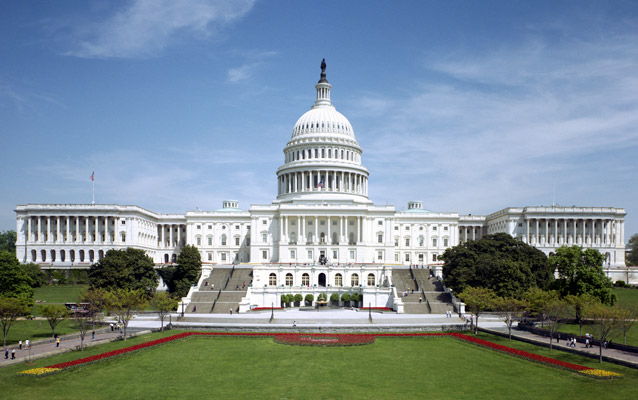
As lawmakers return to Capitol Hill, the funding deadline represents both a procedural necessity and a test of congressional functionality. The coming weeks will demonstrate whether legislative branches can overcome political differences to fulfill basic governing responsibilities and maintain uninterrupted government operations for the American public.