Mosul's Historic Reconstruction: Preserving Cultural Heritage After Conflict
The reconstruction of Mosul's war-damaged religious sites represents a significant effort to preserve the city's diverse cultural heritage. Following years of conflict and destruction, restoration projects like the al-Nuri mosque reconstruction demonstrate Iraq's commitment to rebuilding both physical structures and community identity. This preservation work honors Mosul's multi-religious history while providing symbols of hope and resilience for future generations.
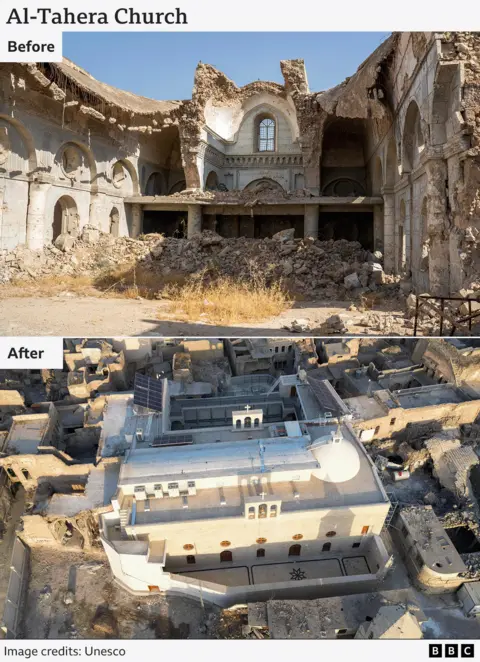
The reconstruction of Mosul's historic religious sites represents a critical component of Iraq's post-conflict recovery efforts. Following years of devastation during the fight against Islamic State forces, the restoration of culturally significant buildings serves as both practical reconstruction and symbolic healing for the community.

Cultural Heritage Preservation
The restoration work in Mosul extends beyond mere physical reconstruction to encompass the preservation of the city's diverse cultural and religious heritage. Churches, mosques, and other religious sites that suffered damage during the conflict are being carefully restored to their original states. This approach recognizes that these buildings represent more than just physical structures—they embody the historical identity and spiritual life of Mosul's multi-ethnic and multi-religious communities.
The Al-Nuri Mosque Project
One of the most significant reconstruction projects involves the historic al-Nuri mosque, which recently reopened eight years after its destruction. This mosque holds particular historical importance as the site where Islamic State leader Abu Bakr al-Baghdadi declared the establishment of the so-called caliphate in 2014. Its reconstruction symbolizes the reclamation of Mosul's cultural identity from extremist forces.
Community Impact and Significance
The restoration of religious sites plays a vital role in community reconciliation and healing. By preserving these landmarks, reconstruction efforts help maintain the cultural continuity that defines Mosul's character. The work demonstrates a commitment to honoring all of Mosul's religious communities and their contributions to the city's rich historical tapestry.
These reconstruction projects also serve practical purposes by restoring functional spaces for worship and community gathering. They provide tangible evidence of progress and hope for residents returning to rebuild their lives in the city.