Scaling Smart: Operational Efficiency for Fast-Growing Fashion Brands
For fast-growing fashion brands, rapid expansion often brings hidden operational challenges. This article explores key obstacles—such as supply chain strain, inventory management, and talent acquisition—and offers actionable strategies to maintain efficiency without overstretching resources.
For fast-growing fashion brands, rapid expansion is a double-edged sword. While increased sales and market presence signal success, they also bring the risk of operational bottlenecks that can strain resources and hinder long-term growth. To sustain momentum, brands must prioritize strategic resource allocation, streamlined supply chains, and scalable processes. This article examines the common pitfalls of scaling and provides practical solutions to keep operations lean and resilient.
Identifying Key Obstacles in Scaling
As fashion brands grow, they encounter several recurring challenges. Supply chain complexity increases with larger orders and more suppliers, while inventory management becomes a delicate balance between meeting demand and avoiding overstock. Talent acquisition also poses a hurdle—finding experienced professionals who understand the brand's culture and the nuances of fashion operations is no small feat. Additionally, technology infrastructure often lags behind business growth, leading to data silos and inefficiencies.
Supply Chain and Inventory Strain
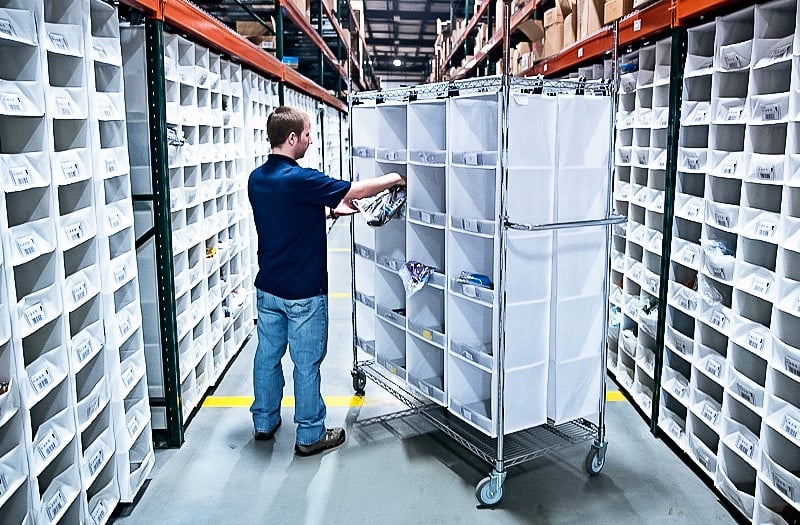
Rapid expansion often forces brands to work with a wider network of suppliers and manufacturers, which can lead to inconsistencies in quality, lead times, and communication. Without robust systems in place, inventory levels can become mismatched with actual demand, resulting in either stockouts that disappoint customers or excess inventory that ties up capital. Implementing advanced forecasting tools and building strong supplier relationships are essential first steps.
Financial and Human Resource Pressures
Growth consumes cash—for raw materials, production, marketing, and new hires. Many brands underestimate the working capital required to sustain rapid scaling. At the same time, overstretched teams can experience burnout and high turnover, which disrupts operations and erodes company culture. Smart financial planning and a focus on employee well-being are critical to maintaining stability.
Strategies for Sustainable Growth
To navigate these challenges, brands should adopt a gradual, data-driven growth approach. Investing in integrated technology—such as ERP systems or inventory management software—provides real-time visibility into operations. Outsourcing non-core functions, like logistics or customer service, can free up internal resources. Most importantly, fostering a flexible and empowered team culture ensures that employees adapt quickly to changing demands.
Building Scalable Processes
Standard operating procedures (SOPs) and automation can help reduce manual errors and speed up decision-making. For instance, automating order processing and supplier communications allows staff to focus on strategic tasks. Regular performance reviews and feedback loops help identify bottlenecks early, enabling continuous improvement.
In conclusion, fast-growing fashion brands can maintain operational efficiency by anticipating scaling challenges, investing in technology, and prioritizing both financial and human capital. By balancing growth with strategic resource management, they can build a resilient foundation for long-term success.