10 Surprising Ways Diabetes and Dementia Are Connected
New research reveals a profound and bidirectional link between diabetes and dementia. Diabetes significantly raises the risk of cognitive decline, while Alzheimer's disease can disrupt blood sugar regulation. This article explores ten evidence-based connections, including the role of insulin resistance in the brain, blood vessel damage, and the potential brain-protective effects of common diabetes medications like metformin, GLP-1 agonists, and SGLT2 inhibitors. Understanding these links opens new avenues for protecting brain health.
The relationship between diabetes and dementia is one of the most compelling and promising areas of modern medical research. Far from being isolated conditions affecting different parts of the body, they are now understood to be deeply and bidirectionally connected. Problems with insulin and glucose regulation can directly impair the brain's energy supply, fuel inflammation, and damage the delicate blood vessels essential for memory and cognitive function. Conversely, the pathological changes of Alzheimer's disease can disrupt the body's ability to manage blood sugar. This intricate interplay is opening doors to new strategies for preventing cognitive decline, with many of the most exciting clues coming from treatments already used to manage diabetes. Here are ten evidence-based insights into how these two conditions are linked.

The Direct Link: Diabetes as a Risk Factor for Dementia
One of the most startling findings in recent years is the magnitude of the risk diabetes poses to the brain. People with diabetes are approximately 60% more likely to develop dementia than those without the condition. This elevated risk is not just a theoretical association; it's a tangible threat that underscores the importance of metabolic health for brain function. Furthermore, the complications of diabetes, particularly frequent episodes of dangerously low blood sugar (hypoglycemia), are linked to a 50% higher chance of cognitive decline. These statistics highlight that both high and unstable blood sugar levels can be detrimental to the brain over the long term.
Insulin Resistance Strikes the Brain
Insulin resistance, the hallmark of type 2 diabetes, is traditionally associated with the body's muscles, liver, and fat cells. However, this phenomenon also affects the brain. When brain cells become resistant to insulin, they struggle to take up glucose, their primary fuel source. This energy crisis can directly contribute to neuronal dysfunction and death. In Alzheimer's disease, this brain-specific insulin resistance is so prominent that some researchers have unofficially termed it "type 3 diabetes." This concept suggests that a core problem in Alzheimer's may be the brain's inability to properly utilize glucose for energy, leading to a cascade of cellular failures.
The Brain's Energy Crisis in Dementia
The brain is an energy-guzzling organ. Accounting for only 2% of our body weight, it consumes a staggering 20% of the body's total energy. In dementia, particularly Alzheimer's disease, brain cells lose their ability to efficiently convert glucose into energy. This creates a dual problem: there is too much glucose in the blood (because the body can't use it properly) and too little in the brain cells that need it. This state of metabolic starvation in the brain is a key driver of cognitive decline and is seen as a potential early marker for the disease.
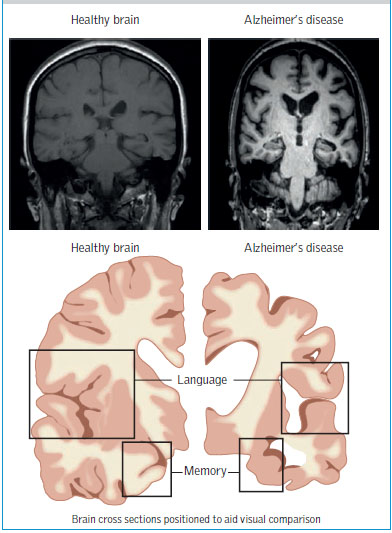
The Two-Way Street: Alzheimer's Can Raise Diabetes Risk
The connection is not unidirectional. The pathology of Alzheimer's disease can itself disrupt the body's glucose metabolism. Studies have shown that individuals with Alzheimer's often have higher fasting blood glucose levels, a form of pre-diabetes, even if they have no prior history of diabetes. Animal studies corroborate this, demonstrating that Alzheimer's-like changes in the brain can directly lead to elevated blood glucose levels. A key player in this link is the APOE4 gene, the strongest genetic risk factor for late-onset Alzheimer's. This variant can reduce insulin sensitivity throughout the body by trapping the insulin receptor inside cells, rendering it inactive. This biological mechanism directly connects the genetic risk for Alzheimer's to a systemic metabolic problem.
Blood Vessel Damage as a Common Pathway
Diabetes is notorious for its damaging effects on blood vessels throughout the body, leading to complications in the eyes, kidneys, and heart. The brain's intricate network of blood vessels is not immune. High and fluctuating blood glucose levels can injure the small vessels in the brain, reducing blood flow and the delivery of oxygen and vital nutrients. This vascular damage can weaken the blood-brain barrier, the brain's protective shield, allowing harmful substances to enter and trigger inflammation. Both reduced cerebral blood flow and chronic brain inflammation are strongly linked to the development and progression of dementia, including Alzheimer's and vascular dementia.
A Serendipitous Discovery: From Diabetes to Dementia Drug
The link between diabetes and brain health is perhaps best illustrated by the story of memantine, a leading medication used to treat moderate to severe Alzheimer's symptoms. Memantine was originally developed as a diabetes drug but failed to effectively control blood glucose. Years later, researchers discovered its beneficial effects on brain function, and it was repurposed as a treatment for dementia. This historical example powerfully demonstrates how research into metabolic disorders can unexpectedly yield crucial insights and treatments for brain disorders, paving the way for the current wave of investigation into popular diabetes medications.
Metformin's Brain-Protective Potential
Metformin, the most widely prescribed drug for type 2 diabetes, is now under intense scrutiny for its potential to protect the brain. Beyond lowering blood sugar, metformin crosses into the brain and may reduce brain inflammation, a key driver of dementia. Large observational studies provide compelling evidence: people with diabetes who take metformin have a lower risk of developing dementia compared to those who do not. Moreover, when patients stop taking metformin, their risk appears to rise again. Clinical trials are now actively testing metformin's effects on cognitive decline in people without diabetes, in the hope that this safe and inexpensive drug could be a powerful tool for dementia prevention.

GLP-1 Agonists: Weight-Loss Injections for the Brain
The class of drugs known as GLP-1 receptor agonists, including semaglutide (marketed as Ozempic and Wegovy), has revolutionized the treatment of diabetes and obesity. These drugs not only lower blood glucose and promote weight loss but also appear to have significant benefits for brain health. Analysis of medical records shows that people with diabetes treated with GLP-1 drugs have a lower risk of dementia compared to those on other medications, and some studies suggest they may be even more effective than metformin in this regard. Two major clinical trials, called Evoke and Evoke Plus, are currently testing oral semaglutide specifically in people with mild cognitive impairment or early-stage Alzheimer's, in a direct attempt to determine if these drugs can slow or halt the disease's progression.
Insulin Therapy Delivered Directly to the Brain
Given that insulin resistance in the brain is a core problem in Alzheimer's, researchers have explored a creative solution: delivering insulin directly to the brain via a nasal spray. This method bypasses the body's circulation, minimizing effects on blood sugar while targeting the brain. Small, early-stage studies have shown promising results, suggesting that intranasal insulin may improve memory and reduce brain shrinkage in some individuals. However, this approach faces significant hurdles. The delivery methods are inconsistent, with varying amounts of insulin reaching the brain, and the long-term safety of this therapy has not yet been established.
SGLT2 Inhibitors: A New Frontier in Risk Reduction
The latest class of diabetes drugs to show promise for brain health are the SGLT2 inhibitors. These tablets work by increasing the amount of sugar removed from the body through urine, effectively lowering blood glucose levels. Emerging evidence, including large-scale comparative studies, suggests that SGLT2 inhibitors may be superior even to GLP-1 receptor agonists in reducing the risk of dementia, including both Alzheimer's disease and vascular dementia. This protective effect is believed to stem from their powerful ability to reduce inflammation not only in the body but also in the brain. As a growing body of evidence points to the brain benefits of managing diabetes, these medications highlight the potential to protect cognitive function by targeting systemic metabolic health.
The mounting evidence is clear: managing diabetes is not just about protecting the heart, kidneys, and eyes. It is also a critical strategy for preserving brain function throughout life. While questions remain about whether these drugs only reduce dementia risk in people with diabetes or could also benefit the general population, the progress in diabetes research has created a powerful arsenal of at least 50 different medicines. A welcome "side effect" of these therapies may be a future where better metabolic health translates directly into a sharper, healthier mind for everyone.