The Rise of Football-Themed Brand Launches Ahead of the World Cup
As the World Cup approaches, brands across the spectrum are seizing the opportunity to connect with the global football frenzy. From established giants to niche players, the market is witnessing a surge in football-themed launches. This article explores the trend, the motivations behind it, and what it means for consumer engagement during the world's most-watched sporting event.
With the World Cup on the horizon, a wave of football-themed product launches is sweeping across the global marketplace. This strategic move, executed by both established conglomerates and niche challenger brands, underscores the unparalleled cultural and commercial pull of the world's most popular sport. The timing is no coincidence; the tournament represents a unique opportunity for brands to embed themselves in the shared emotional experience of billions of fans, driving visibility, relevance, and ultimately, sales.
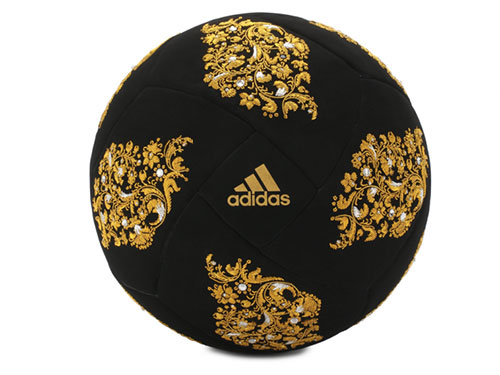
These launches are rarely a simple matter of branding a product with a football crest. Instead, they represent a sophisticated understanding of fandom, nostalgia, and lifestyle. For established sportswear giants like Adidas, Nike, and Puma, the World Cup is a cornerstone of their seasonal strategy. Their launches often involve cutting-edge performance kits for national teams, limited-edition lifestyle sneakers, and retro collections that tap into the rich history of the tournament. These moves are calculated to drive high-intent purchases among dedicated supporters and fashion-conscious consumers alike.
Perhaps more interesting is the participation of non-endemic brands. Luxury fashion houses, fast-food chains, electronics manufacturers, and even cosmetic brands are entering the fray. Their approach is different, often focusing on a more conceptual connection to the sport. A luxury watchmaker might release a chronograph inspired by a referee’s stopwatch, while a high-end beverage company could curate a special edition bottle with designs celebrating iconic stadiums. This cross-industry activity demonstrates the World Cup's power as a cultural event that transcends sport.
For niche players and local artisans, the World Cup offers a platform for exposure on a global stage. A small, independent clothing label might create a capsule collection celebrating a specific player or historic moment, leveraging the hype to reach an international audience that would otherwise be inaccessible. The digital and social media ecosystem amplifies this, with limited drops and collaborations creating a sense of urgency and exclusivity.
The core driver behind this wave of launches is the search for authentic connection. In a crowded market, associating a brand with the passion and tribalism of football is a powerful tactic. These products become more than items; they become symbols of shared identity, conversation starters, and repositories of personal memories. As the tournament progresses, the stories woven around these launches often become a part of the fans' own World Cup narrative, cementing brand loyalty for the long term.
In conclusion, the surge in football-themed launches is a testament to the World Cup's enduring status as a premier global event for brand engagement. These initiatives are not merely commercial; they are careful exercises in cultural alignment. As brands continue to roll out their offerings, the most successful will be those that deliver genuine value and emotional resonance, proving that in the world of World Cup marketing, authenticity is the ultimate prize.