Read on the Guardian
Stew Peas Film Explores Jamaica's Outlawed Obeah Tradition and African Spiritual Heritage
Award-winning Jamaican filmmaker Sosiessia Nixon's new suspense film 'Stew Peas' delves into the controversial and enduring practice of obeah, a West African-based spiritual tradition in Jamaica. The movie highlights the tension between Christianity and African spirituality, while exploring deeply rooted cultural beliefs about love, control, and the supernatural. Through its gripping narrative, the film opens a dialogue about a practice that remains illegal in Jamaica yet persists as a significant part of the island's cultural fabric, offering audiences a rare cinematic exploration of Caribbean heritage.
Jamaican filmmaker Sosiessia Nixon has released a compelling new feature-length suspense film titled Stew Peas, which explores the controversial and enduring practice of obeah, a West African-based spiritual and magical tradition that has persisted in Jamaica despite being outlawed by British colonisers in the 18th century. The film shines a spotlight on a belief system that remains deeply embedded in Jamaican culture, often operating in the shadows of both legality and mainstream Christian practice.

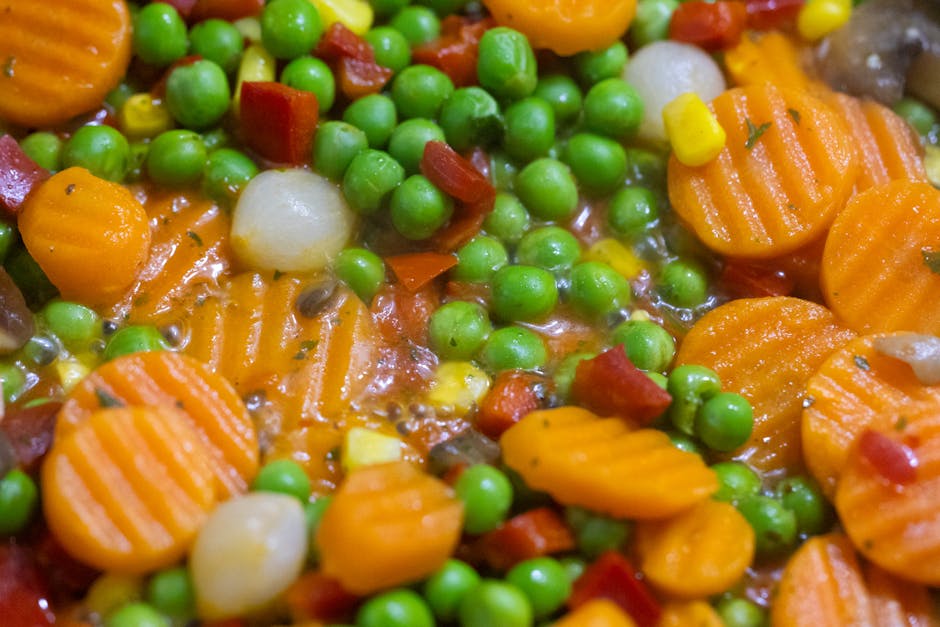
The film follows Jamaican detective Tessa, whose life begins to unravel as her husband Neil falls under the spell of their new maid, Marcia. The narrative takes a dark turn with the revelation that Marcia has been adding a secret ingredient to Neil's food: her menstrual blood. This plot point directly draws on a traditional Jamaican obeah belief that a woman can "bind" a man in a relationship by serving him a meal of stew peas, a traditional kidney bean and meat stew, which becomes a potent love potion when menstrual blood is added.
Confronting Cultural Taboos
Nixon hopes the movie will spark a much-needed dialogue about the tension between Christianity and obeah, a practice rooted in Jamaica's African heritage that is still widely practiced today despite being illegal. "The practice of binding a man with stew peas remains very much taboo in Jamaica, and I wanted to open a conversation," Nixon said. "I wanted to look at this belief system in depth. Jamaicans often say that belief kills and belief cures, meaning that whatever you believe, that is what is going to happen. So, does this thing really work?"
Coming from St Thomas, an idyllic coastal parish on the south-eastern tip of Jamaica sometimes nicknamed the "obeah parish," Nixon drew inspiration from actual experiences. "Growing up in St Thomas, I was very much exposed to a lot of obeah," she explained, grounding her film in personal observation and cultural reality.

Cultural Resonance and Diaspora Connection
Producer and actor Ava Eagle Brown, who created Jamaica's Black River film festival, noted that the film will resonate deeply with Caribbean people everywhere. "There is so much of us in this film, the things that make us Jamaican – especially if you're in the diaspora … it brings you back home," she said. Brown added with a touch of humor, "It's probably going to now have some men looking at their woman with suspicion and asking: 'What did you put it in my stew peas?'" However, she also struck a serious note: "I told my son to make sure he doesn't eat any stew peas from any woman!"
African Spirituality vs. Colonial Legacy
Sonjah Stanley Niaah, a Jamaican cultural studies scholar and director of the University of the West Indies' Centre for Reparation Research, explained that the stew peas belief is linked to the African worldview that natural elements, including menstrual blood, have inherent potency. The red kidney beans, she noted, are believed to mask the blood so the man being charmed cannot detect it.
Stanley Niaah welcomed the exploration of African spiritualities, which she said are often misunderstood after being vilified and outlawed by European colonialists who linked them to resistance and rebellions among enslaved Africans. "People in this part of the world are people of African descent and there's a pantheon of African spirituality that we have in our blood, that we have inherited … But today, African spirituality has no attention, no substance, it's not being taught in schools, we are so afraid of ourselves, we are neglecting it," she said.
She highlighted the persistent tension today: "What we now have is this very profound, alive and longstanding tension between Christian practices and African spirituality. Enslavement was sanctioned by the church. So, some aspects of the legislative architecture in the Caribbean were certainly driven by the need to have enslaved people not assemble, or gather for any reason, whether to worship their gods or to plan rebellions. This legislative architecture is very much present even today, when you see the Obeah Act still on the books in Jamaica."
A Ray of Hope for Jamaica's Creative Industry
Brown, who had to cancel this year's Black River film festival after Hurricane Melissa demolished parts of the town, described Stew Peas as "a ray of hope" for Jamaica's multibillion-dollar creative industry struggling to recover. "This year I had to postpone the Black River film festival, which was a real blow because it was part of how Jamaican creatives were starting to connect with the globe, including contacts from major networks like Canal+ and Netflix," she said. "The hurricane destroyed so much! It destroyed infrastructure, equipment and for some people it destroyed hope. And that is why we need projects like this that demonstrate the resilience of Jamaicans."
Jamaica's film commissioner Jackie Jacqueline Jackson emphasized that films like Stew Peas are "a powerful testament to the resilience, ingenuity, and determination of Jamaica's creative industry." She stressed the importance of perseverance: "It's important to keep going and demonstrate that Jamaica is still open for business. By signalling this, it encourages international productions to return to Jamaica which positively affects jobs and film production expenditure."
Stew Peas stands as a bold cinematic exploration of a complex cultural tradition, inviting audiences to confront deep-seated beliefs and the enduring legacy of colonialism while celebrating the resilience of Jamaican creativity and cultural identity.