Read on France 24
The Art of French Easter Chocolate: A Sweet Tradition Explored
As Easter approaches, France's chocolate shops transform into a whimsical wonderland, showcasing not just eggs and rabbits but an array of surprising shapes like hens, bells, and even shellfish. This article explores the rich tradition of Easter chocolates in France through the lens of master chocolatier Pierre Hermé, examining the cultural significance, craftsmanship, and playful creativity that define this sweet seasonal celebration. We delve into how French artisans blend time-honored techniques with innovative designs to create edible works of art that delight both children and adults during the holiday season.
As Easter approaches, France's chocolate shops transform into a whimsical wonderland, showcasing not just eggs and rabbits but an array of surprising shapes like hens, bells, and even shellfish. This article explores the rich tradition of Easter chocolates in France through the lens of master chocolatier Pierre Hermé, examining the cultural significance, craftsmanship, and playful creativity that define this sweet seasonal celebration. We delve into how French artisans blend time-honored techniques with innovative designs to create edible works of art that delight both children and adults during the holiday season.

The French Easter Chocolate Tradition
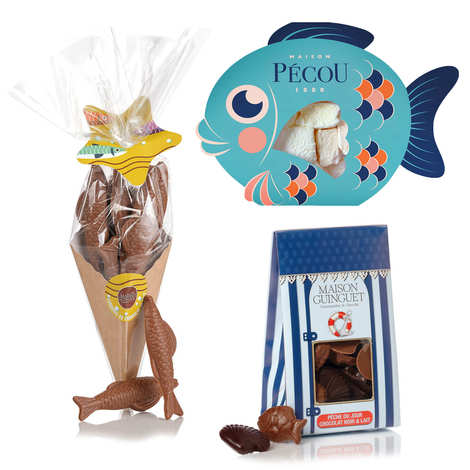
In France, Easter chocolate represents more than just a seasonal treat—it's a cultural institution that combines culinary artistry with festive tradition. Unlike many countries where chocolate eggs and bunnies dominate, French chocolatiers embrace a wider symbolic vocabulary. The classic chocolate egg symbolizes new life and resurrection, while rabbits represent fertility and spring's arrival. More uniquely French are the chocolate bells, or "cloches de Pâques," which reference the legend that church bells fly to Rome during Easter and return laden with treats. The inclusion of hens and even shellfish reflects regional variations and the playful imagination of French artisans who see Easter as an opportunity for creative expression.
Pierre Hermé's Approach to Easter Chocolate
Pierre Hermé, renowned as one of France's great masters of pastry and chocolate, brings a distinctive philosophy to Easter creations. According to insights from France 24's coverage, Hermé approaches Easter chocolate with both reverence for tradition and a desire for playful innovation. His creations balance technical precision with whimsical design, transforming classic forms into contemporary delights. Hermé's workshop becomes a laboratory of creativity during the Easter season, where traditional molds are reinterpreted and new shapes are conceived to surprise and delight connoisseurs. This approach reflects a broader French culinary philosophy that honors heritage while embracing evolution.
Craftsmanship and Quality Standards
The production of Easter chocolate in France follows exacting standards that distinguish it from mass-market alternatives. French chocolatiers like Hermé emphasize bean-to-bar craftsmanship, often sourcing single-origin cocoa beans and carefully controlling every stage of production. The tempering process—crucial for achieving chocolate's characteristic snap and shine—receives particular attention during Easter production. Fillings range from classic ganaches to innovative flavor combinations that might include seasonal ingredients like citrus, nuts, or spices. This commitment to quality ensures that French Easter chocolates serve as both festive treats and gastronomic experiences, reflecting the country's broader reputation for culinary excellence.
Cultural Significance and Seasonal Rituals
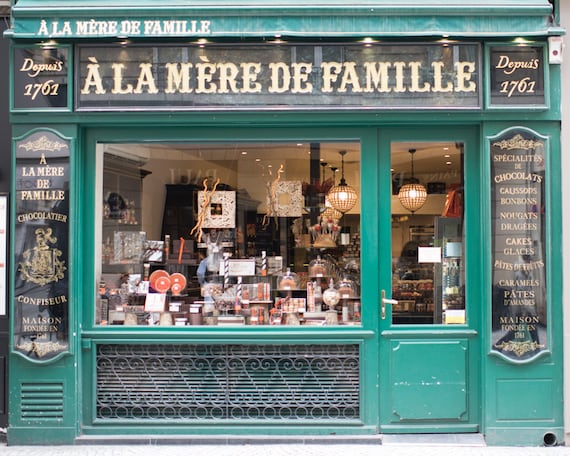
Easter chocolate in France serves important cultural functions beyond mere consumption. The exchange of chocolate creations strengthens family bonds and community connections during the holiday. Children participate in Easter egg hunts, or "chasse aux œufs," searching for hidden chocolate treasures in gardens and parks. The selection of specific shapes often carries personal or regional meaning, with certain designs favored in different parts of the country. The ritual of visiting chocolatiers to select Easter treats has become a cherished seasonal tradition, with shops displaying their creations in elaborate window displays that attract both locals and tourists. These practices reinforce chocolate's role as a medium for cultural expression and social connection.
Conclusion: A Sweet Celebration of Tradition and Innovation
French Easter chocolate represents a beautiful synthesis of tradition, craftsmanship, and creative innovation. Through the work of masters like Pierre Hermé, this seasonal practice evolves while maintaining its cultural roots. The surprising variety of shapes—from classic eggs to whimsical shellfish—reflects both regional diversity and artistic freedom within the French chocolate tradition. As consumers worldwide seek more meaningful and authentic culinary experiences, the French approach to Easter chocolate offers valuable lessons about balancing heritage with creativity, quality with accessibility, and ritual with innovation. This Easter season, whether enjoying a simple chocolate egg or an elaborate creation from a master chocolatier, we participate in a sweet tradition that connects us to centuries of culinary artistry and cultural celebration.