Read on PBS News
Melania Trump Advocates for Foster Care Reform on Capitol Hill
First Lady Melania Trump made a rare public appearance on Capitol Hill to advocate for significant improvements to the U.S. foster care system. Addressing members of the House Ways and Means Committee, she called new legislation a "moral imperative" to help young people aging out of care. This article examines her advocacy, the proposed bipartisan bills to update the Chafee program, and the systemic barriers—including housing, transportation, and education—that hinder foster youth from achieving independence and academic success.
In a notable move highlighting a personal policy priority, First Lady Melania Trump recently appeared before Congress to champion legislative reforms aimed at improving outcomes for young people in the U.S. foster care system. Her advocacy underscores a growing bipartisan recognition of the systemic challenges faced by youth aging out of care and the urgent need for policy updates to provide them with a stable foundation for adulthood.

The Call for Legislative Action
During a roundtable with the House Ways and Means Committee, Melania Trump framed the issue in stark terms, stating that passing new legislation for the foster care community is a "moral imperative." This appearance followed a successful lobbying effort last year where she helped secure legislation to protect women and children from online sexual exploitation, indicating a sustained focus on child welfare issues. Her current push targets several bipartisan bills designed to update the Chafee foster care program, which provides support to youth ages 14 to 21 as they transition out of the system.
Systemic Barriers Facing Foster Youth
The first lady specifically highlighted the interconnected barriers that hinder the success of young people in foster care. She pointed to significant challenges with housing, transportation, and education, noting that these external factors critically affect academic performance and the path to self-sufficiency. "We can close this gap," she asserted, emphasizing that support systems have not kept pace with the needs of these youth. This assessment was echoed by individuals with lived experience who testified at the roundtable, providing a ground-level view of the system's shortcomings.
Proposed Reforms and the Chafee Program Update
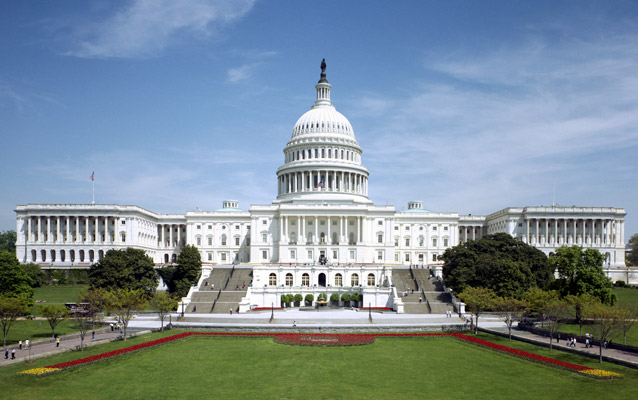
The legislative package under discussion represents what committee members call the most significant potential update to the Chafee program since its creation in 1999. The proposed measures aim to broaden access to essential services, including increased support for housing, education, and workforce training programs. This push for reform comes in the wake of a January 2025 Government Accountability Office report, which revealed that states were returning millions of dollars in unused Chafee program funds to the federal government despite clear, unmet needs among foster youth. The legislation seeks to ensure these resources are effectively deployed to help youth succeed in their transition to adulthood.
The "Fostering the Future" Initiative
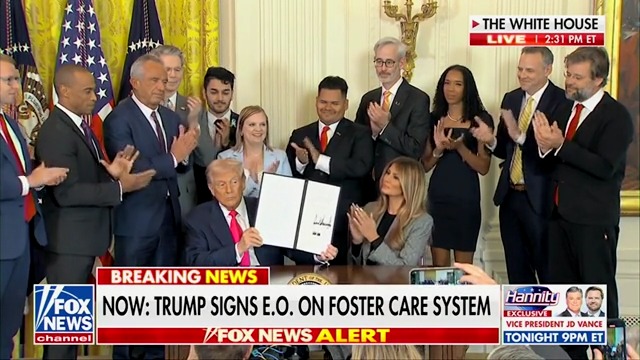
This congressional advocacy aligns with the broader "Fostering the Future" initiative, which Melania Trump spearheads as part of the "Be Best" campaign launched during President Trump's first term. The initiative offers scholarships to current and former foster youth and has established a presence on more than 20 university campuses nationwide. In November of the previous year, President Trump complemented these efforts by signing an executive order to create a federal "Fostering the Future" program. This order aims to foster collaboration between federal entities, nonprofits, educational institutions, and the private sector to improve career and educational opportunities for children raised in foster care.
A Bipartisan Path Forward
The involvement of both Republican and Democratic members of the Ways and Means Committee suggests a rare area of potential bipartisan cooperation. The shared goal is to modernize a system that all agree is failing to adequately prepare thousands of young Americans for independent life each year. By addressing the critical gaps in support for housing, education, and basic living expenses, the proposed laws aim to transform the trajectory for youth aging out of care, moving them from a struggle for survival toward a path of sustainable success.
Melania Trump's advocacy on Capitol Hill brings renewed attention to the long-standing challenges within the U.S. foster care system. By leveraging her platform to call for substantive legislative updates and sharing the stories of those directly impacted, she highlights a critical national issue. The proposed bipartisan reforms to the Chafee program, coupled with the public-private partnerships of the "Fostering the Future" initiative, represent a comprehensive approach to ensuring that young people leaving foster care have the necessary tools and support to build stable, independent, and successful lives.