Italy's Euro 2032 Hosting in Jeopardy as UEFA Issues Stadium Warning
UEFA President Aleksander Ceferin has issued a stark warning that Italy's co-hosting of the 2032 European Football Championship with Turkey is at risk due to the poor state of the country's stadiums. This warning comes just days after Italy's national team failed to qualify for the 2026 FIFA World Cup, marking a period of significant crisis for Italian football. Ceferin criticized the stadium infrastructure as 'among the worst in Europe' and pointed to a problematic relationship between football authorities and politics as a core issue.
Italian football faces a dual crisis of performance and infrastructure, casting a long shadow over the nation's sporting future. Days after the national team's shocking failure to qualify for the 2026 FIFA World Cup, UEFA President Aleksander Ceferin has delivered another severe blow, warning that Italy's role as co-host for the UEFA Euro 2032 tournament with Turkey is in serious doubt. The central issue, according to Ceferin, is the dire state of Italy's football stadiums, which he described in an interview with La Gazzetta dello Sport as "some of the worst in Europe." This article examines the implications of this warning, the specific stadium challenges, and the broader political and administrative problems plaguing Italian football.
UEFA's Stark Warning on Stadium Infrastructure
In a candid interview, UEFA chief Aleksander Ceferin left no room for ambiguity regarding Italy's preparations for Euro 2032. "Euro 2032 is scheduled and will take place, of that there is no doubt. I just hope that the infrastructure [in Italy] will be ready. If that's not the case, the tournament will not be held in Italy," Ceferin stated. This ultimatum places immense pressure on Italian authorities to accelerate long-delayed renovation and construction projects. Ceferin directly challenged the country's political class, suggesting, "Maybe Italy's politicians should ask themselves why the football infrastructure is among the worst in Europe." He identified the strained "relationship between the football authorities and politics" as Italian football's most significant underlying problem, hindering progress on vital projects.

The State of Italy's Stadiums: A Race Against Time
The logistical challenge is immense. Italy must name the five stadiums that will host Euro 2032 matches by October of this year. Eleven cities are currently in contention: Rome, Florence, Bologna, Milan, Genoa, Bari, Naples, Turin, Cagliari, and Palermo. The country has the option to present either new builds or stadiums requiring redevelopment, but a critical deadline looms: all necessary work must begin by March 2027. Currently, the readiness level is alarmingly low.
Stadiums in Development and Under Scrutiny
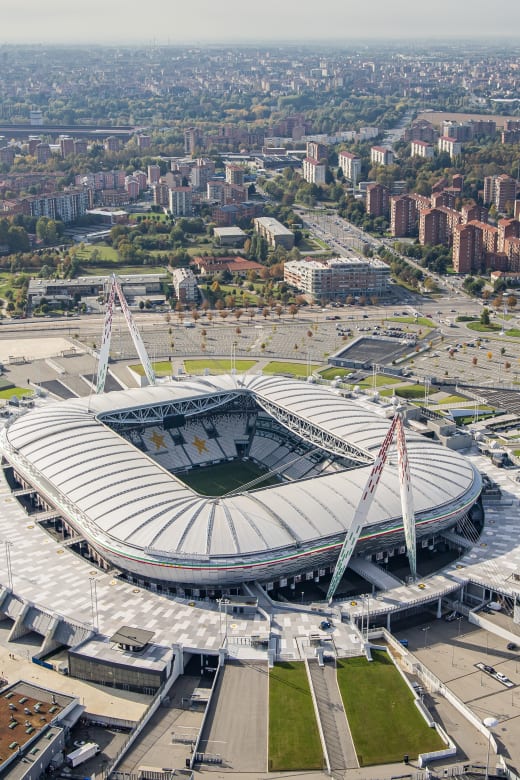
As reported by Al Jazeera, only one venue—Juventus's Allianz Stadium in Turin—is deemed completely ready to host a major international tournament. Other projects are mired in complexity and delay. In Milan, Inter and AC Milan have purchased the iconic San Siro and plan to replace it with a new 71,500-capacity arena by 2031. However, this project is under investigation by Milan's public prosecutors' office for alleged bid rigging related to the land sale, creating significant uncertainty.
AS Roma has received local approval to build a new stadium in Rome, while Fiorentina's Artemio Franchi is undergoing redevelopment. In Naples, Mayor Gaetano Manfredi has presented a 200-million-euro renovation plan for the Diego Armando Maradona Stadium, which includes removing the athletics track. Manfredi emphasized the project's necessity "regardless of 2032," highlighting how local needs and international tournament requirements are, in this case, aligned.
A Crisis Compounded: World Cup Failure and Euro Doubts
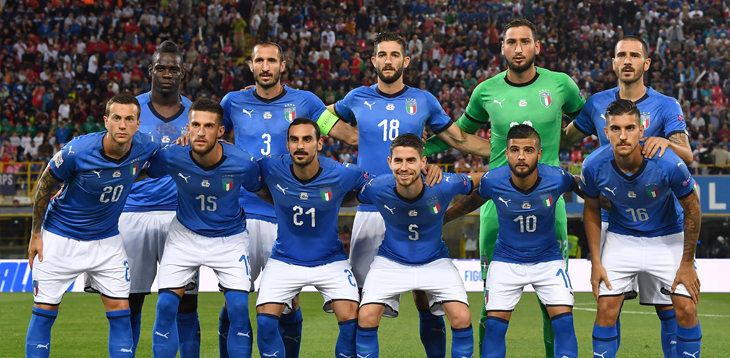
UEFA's warning arrives at the lowest point in recent Italian football history. Just two days prior, the national team, under manager Gennaro Gattuso, missed qualification for the 2026 World Cup after a penalty shootout defeat to Bosnia and Herzegovina. This marks the third consecutive World Cup that Italy, a four-time champion, will miss—an unprecedented failure for a former winner. The combination of on-field disappointment and off-field infrastructural warnings paints a picture of a footballing nation in systemic decline, where administrative and political failures are directly impacting competitive success and international prestige.
Conclusion: A Pivotal Moment for Italian Football
The coming months represent a critical juncture for Italian football. The ultimatum from UEFA is clear: demonstrate credible, actionable plans for modern stadiums or risk the humiliation of being stripped of co-hosting duties for Euro 2032. This challenge transcends sports administration; it is a test of political will and bureaucratic efficiency. Addressing the stadium crisis is not merely about preserving a tournament hosting role; it is about rebuilding the foundation of the sport in Italy for future generations. Failure to act decisively would confirm Ceferin's critique and solidify Italy's reputation as a football nation struggling to modernize, both on and off the pitch.