Read on the Guardian
Ethical Concerns Over Vaccine Trials in Guinea-Bissau Raise Alarms for US Health Policy
A controversial hepatitis B vaccine trial in Guinea-Bissau, involving Danish researchers whose work has been questioned, has become a focal point of concern for US health policy under Secretary Robert F. Kennedy Jr. Experts fear the study, which would have withheld vaccines from half of newborns in a region with high hepatitis B prevalence, represents an unethical prototype for future US-funded research. With the trial now paused for review, the situation highlights complex ethical challenges in global health research and raises questions about the direction of US vaccine policy.
The intersection of global health research and US policy has reached a critical juncture with revelations about a controversial vaccine trial in Guinea-Bissau. At the center of this ethical storm are Danish researchers from the Bandim Health Project, whose work on vaccine effects has been called into question, and their connections to US Health and Human Services Secretary Robert F. Kennedy Jr. This situation raises profound concerns about research ethics, informed consent, and the potential direction of US-funded global health studies under the current administration.

The Controversial Guinea-Bissau Trial
The suspended hepatitis B vaccine trial in Guinea-Bissau proposed studying the overall health effects of vaccination by administering the vaccine to only half of participating newborns at birth. This approach raised immediate ethical concerns given the region's 18% hepatitis B prevalence rate among adults. Hepatitis B can lead to serious liver complications, including cirrhosis and liver cancer, making vaccination particularly important in high-prevalence areas.
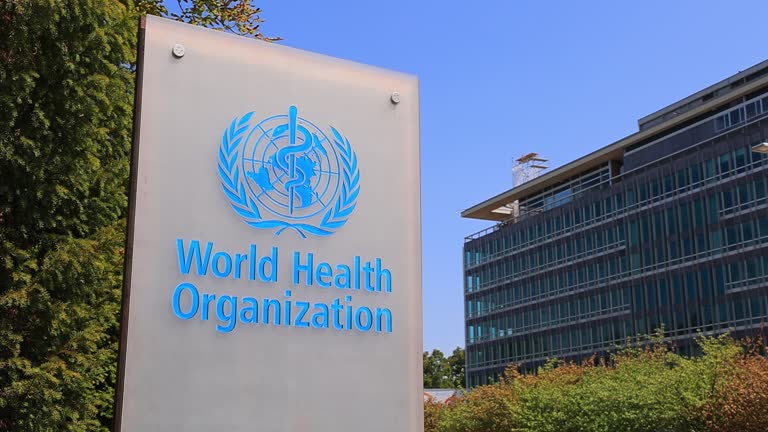
According to a report obtained by The Guardian, the trial design has been criticized as potentially unethical, with experts comparing it to problematic historical studies. The World Health Organization expressed "significant concerns" about the study's scientific justification and ethical safeguards, with Director-General Tedros Adhanom Ghebreyesus stating it was "unethical to proceed with this study."
Danish Researchers and US Connections
The Bandim Health Project has operated in Guinea-Bissau for 48 years under Danish researchers Peter Aaby and Christine Stabell Benn. Their work has gained particular attention due to connections with the current US administration. Secretary Kennedy has cited Aaby's research as influential to his views on vaccines, while Stabell Benn served on the hepatitis B working group of the US advisory committee on immunization practices.

These connections have raised questions about how deeply these researchers' approaches might influence US health policy. A US House committee letter described the trial as "ethically disturbing and scientifically unsound" and suggested the CDC's grantmaking process might be "seriously degraded in service of an anti-vaccine, ideological agenda."
Ethical Challenges in Guinea-Bissau
The research environment in Guinea-Bissau presents multiple ethical challenges. According to former health minister Magda Robalo, informed consent is particularly difficult due to low literacy rates and language barriers. The local creole term for hepatitis B translates to "yellow fever," creating confusion about what disease the vaccine prevents.
Additionally, the ethics committee structure has been described as problematic. The committee charges fees for study reviews, which could create financial incentives to approve protocols. Robalo noted that Guinea-Bissau lacks credible public health research institutions, creating dependency on external researchers like those from Bandim.
Current Status and Implications
The University of Southern Denmark has paused all work related to the study pending an independent ethical evaluation by the WHO's research ethics review committee. Guinea-Bissau's foreign minister stated the trial "is not going to happen, period," while African health officials emphasize the importance of rolling out hepatitis B birth doses across the continent.
The US allocated $1.6 million to the trial, with matching funding from private foundations. Critics note this funding could instead support comprehensive vaccination programs. Meanwhile, African countries are working to strengthen their research capabilities to reduce dependency on Global North institutions.
Broader Implications for Global Health Research
This controversy highlights ongoing tensions in global health research between developed and developing nations. The situation has resonated across Africa, with countries examining their research relationships and ethical safeguards. The concern extends beyond this specific trial to questions about how US-funded research will be conducted under current leadership.
As global health organizations and African leaders work to implement comprehensive hepatitis B vaccination programs, this case serves as a reminder of the ethical complexities in international research collaborations and the importance of maintaining rigorous standards regardless of political considerations.
.jpg)



.jpg?width=755&height=425&name=smart%20manufacturing%20article%20header%20image%20%20(1).jpg)