Read on Global News
Political Fallout: The Mandelson Appointment and Starmer's Reputational Crisis
In December 2024, British Prime Minister Keir Starmer received official warnings about the 'reputational risk' of appointing Peter Mandelson as U.S. Ambassador due to his relationship with convicted sex offender Jeffrey Epstein. Despite these concerns, Starmer proceeded with the appointment, only to fire Mandelson nine months later when new details emerged. This article examines the political documents that revealed the initial warnings, the subsequent fallout that has jeopardized Starmer's leadership, and the broader implications for government vetting processes and political accountability in the United Kingdom.
The intersection of political appointments, due diligence failures, and personal associations with convicted criminals has created one of the most significant political crises for British Prime Minister Keir Starmer's administration. Documents released by the British government in March 2026 reveal that officials explicitly warned Starmer about the "reputational risk" of appointing Peter Mandelson as U.S. Ambassador due to his longstanding relationship with Jeffrey Epstein. This article examines the timeline of events, the content of the disclosed documents, and the profound political consequences that continue to unfold.
The Initial Warning and Appointment Decision
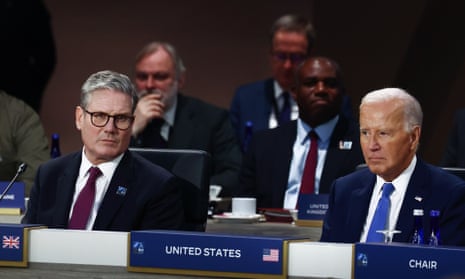
According to documents published on the British government website, concerns about Peter Mandelson's suitability for the ambassadorial role were formally raised in December 2024. At that time, Prime Minister Starmer was considering Mandelson for the crucial diplomatic position, seen as vital for establishing a strong relationship with the administration of President Donald Trump during his anticipated second term. The advice to the prime minister from the head of the civil service summarized Mandelson's relationship with Epstein over two decades, noting particularly that "Mandelson reportedly stayed in Epstein's house while he was in jail in June 2009" for sexual offenses involving a minor.
The document also highlighted other reputational issues unrelated to Epstein, including Mandelson's previous resignations from Cabinet positions in earlier Labour governments over financial matters and his work at Global Counsel, the lobbying firm he co-founded. Despite these explicit warnings about potential damage to the government's reputation, Starmer proceeded with the appointment, placing Mandelson in one of the UK's most important diplomatic posts.
The Unfolding Crisis and Mandelson's Dismissal
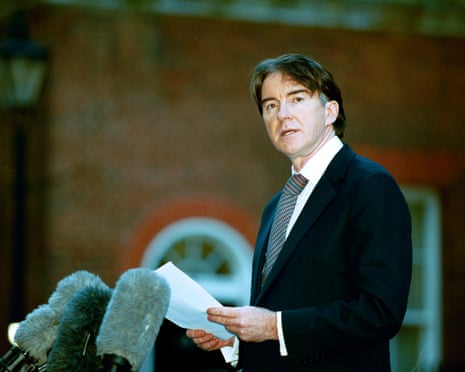
The political storm began in earnest when Starmer fired Mandelson in September 2025, nine months after the initial appointment. This dismissal followed the release of documents showing that Mandelson had maintained contact with Epstein after the financier's 2008 conviction for sexual offenses involving a minor. The situation escalated dramatically in January 2026 when a massive trove of files published by the U.S. Department of Justice revealed further details about Mandelson's ties with Epstein.
These documents suggested that Mandelson had sent market-sensitive information to Epstein while serving as the UK government's business secretary after the 2008 financial crisis. This included an internal government report discussing ways the UK could raise money, potentially through selling government assets. The files also indicated that Mandelson told Epstein he would lobby other government members to reduce a tax on bankers' bonuses. Darren Jones, chief secretary to the prime minister, stated in Parliament that the due diligence on Mandelson "did not expose the depth and extent" of his friendship with Epstein and that Mandelson had lied to Starmer about the nature of their relationship.
Political Consequences and Leadership Crisis
The revelations have placed Prime Minister Starmer's political future in serious jeopardy. Opposition parties and even some members of Starmer's own Labour Party have called for his resignation, arguing that he should have heeded the initial warnings and exercised better judgment in the appointment process. Starmer has publicly apologized to Epstein's victims and expressed regret for "having believed Mandelson's lies," but these statements have done little to quell the political storm.
Starmer's position remains fragile despite the fact that he never met Epstein and is not implicated in his crimes. The controversy has raised fundamental questions about vetting processes for high-level appointments and the accountability of political leaders for their decisions. The government has been forced to disclose thousands of files about the decision to name Mandelson to the diplomatic post, with more than 140 pages of documents already published and additional batches scheduled for release after review by Parliament's Intelligence and Security Committee.
Legal Investigations and Ongoing Fallout
Beyond the political consequences, the Mandelson-Epstein connection has triggered multiple legal investigations. Peter Mandelson was arrested on February 23, 2026, at his London home on suspicion of misconduct in public office. He has been released without bail conditions as the police investigation continues, though he has not been charged and faces no allegations of sexual misconduct. Police have asked the government not to release files that could compromise their criminal investigation into Mandelson.
Mandelson is also facing a separate probe by the European Union's anti-fraud office regarding his time as the bloc's trade representative. The documents published by the British government note that Epstein was asked questions about his relationship with Mandelson, and the prime minister's communications director was reportedly "satisfied with his responses." However, these responses themselves have not been published due to the ongoing police investigation.
Broader Implications for Government Accountability
The Mandelson appointment controversy has exposed significant weaknesses in political appointment processes and raised questions about how governments balance diplomatic needs against potential reputational risks. The case demonstrates how associations with controversial figures can resurface years later to damage political careers and government credibility. It also highlights the challenges political leaders face in obtaining complete information about candidates' past associations and the consequences of failing to adequately address known risks.
The ongoing release of documents through parliamentary pressure represents a significant victory for government transparency advocates, though it comes at considerable political cost to the Starmer administration. The controversy continues to unfold as additional documents are scheduled for release, ensuring that this issue will remain at the forefront of British political discourse for the foreseeable future.