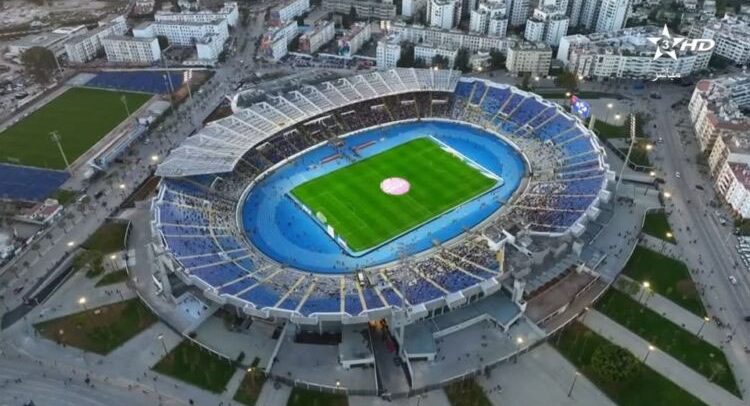
India Makes History: Defends T20 World Cup Title on Home Soil
India has etched its name into cricket history by becoming the first team to successfully defend the Men's T20 World Cup title. In a thrilling final at the Narendra Modi Stadium, the host nation secured a historic victory, also marking the first time a host country has won the tournament. This article provides a comprehensive recap of the final, key player performances, and the nationwide celebrations that followed this monumental achievement in Indian cricket.
The roar of the Narendra Modi Stadium has finally subsided, but the echoes of history made on March 8, 2026, will resonate for years to come. In a stunning display of skill and nerve, the Indian cricket team achieved what no other nation had before: they successfully defended their Men's T20 World Cup crown, clinching their third title overall. This victory was doubly significant as India also became the first host nation to win the tournament on home soil, a feat that had eluded all previous editions. The final against New Zealand was not just a match; it was the culmination of a campaign that saw India dominate the latter stages of the competition, powered by individual brilliance and collective resolve.

A Historic Achievement in Cricket
India's victory in the 2026 T20 World Cup final is a landmark moment in the sport's short-format history. By winning back-to-back titles—following their 2024 triumph in the West Indies—India has set a new benchmark for consistency and excellence in T20 international cricket. The team joins an elite group of only six nations to have ever won the tournament, but now stands alone at the pinnacle with three titles (2007, 2024, 2026), surpassing the two titles held by the West Indies and England. This achievement solidifies India's status as a modern T20 powerhouse and a dominant force in world cricket.
Key Performances in the Knockout Stages
While the entire squad contributed throughout the tournament, several players saved their best for the high-pressure knockout matches. Wicketkeeper-batsman Sanju Samson and pace spearhead Jasprit Bumrah emerged as the heroes when it mattered most. According to match reports from Al Jazeera's live coverage, Samson amassed a staggering 275 runs in just three innings during the Super Eights and knockout rounds, including crucial knocks of 97*, 89, and 89. His composure under pressure was instrumental in guiding India to the final.
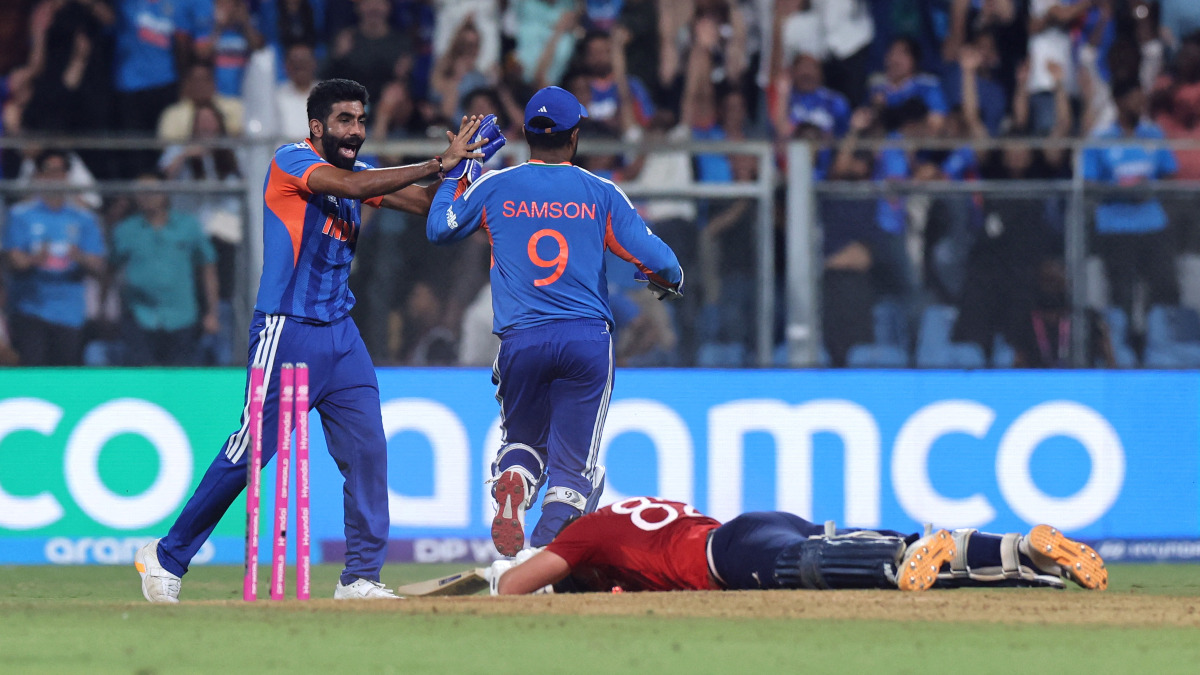)
On the bowling front, Jasprit Bumrah's mastery was on full display. He claimed seven wickets in the final three matches, including a decisive four-wicket haul in the final itself. This performance propelled him to become the joint-leading wicket-taker of the tournament, alongside his teammate, the mystery spinner Varun Chakravarthy. Their combined efforts stifled opposition batting line-ups and provided India with the cutting edge needed to secure the trophy.
Nationwide Celebrations and the Lap of Honour
The victory sparked immediate and widespread celebrations across India. In Hyderabad, fans took to the streets, climbing on buses, waving flags, and lighting fireworks in a spontaneous outpouring of national pride. Inside the colossal Narendra Modi Stadium in Ahmedabad, the scene was one of unbridled joy. After receiving the trophy, the Indian team embarked on a memorable lap of honour, a moment shared with the thousands of fans who stayed behind to savour the historic occasion.
Players were seen passing the trophy among themselves, with many, including Varun Chakravarthy, Tilak Varma, and Kuldeep Yadav, breaking into traditional bhangra dance moves by the boundary line. The celebrations took a personal turn as players like Axar Patel and Jasprit Bumrah were joined on the field by their young families, adding a heartwarming dimension to the professional triumph. The images of players posing mid-pitch with their winners' medals, captured by agencies like AFP and Reuters, became iconic snapshots of a nation's cricketing zenith.

Looking Ahead: The Future of T20 Cricket
With the 2026 chapter closed, the cricketing world now looks forward. The next Men's T20 World Cup is scheduled for 2028 and will be co-hosted by Australia and New Zealand, setting the stage for another global spectacle. Furthermore, the focus will soon shift to the women's game, with the Women's T20 World Cup set to begin in England in June 2026. This tournament will see New Zealand defend the title they won in 2024, with twelve teams competing across venues in Birmingham, Bristol, Leeds, London, Manchester, and Southampton.
Conclusion: A Legacy Cemented
India's victory in the 2026 T20 World Cup is more than just another trophy; it is a testament to the depth of talent, strategic planning, and mental fortitude within the team. By achieving the unprecedented double of defending the title and winning as hosts, they have raised the bar for excellence in T20 international cricket. The celebrations from Ahmedabad to Hyderabad mark not just the end of a tournament, but the beginning of a new era of Indian dominance. As the players and fans alike revel in this historic success, the legacy of this team is firmly cemented in the annals of cricketing history.