The Fugu Frenzy: How a Government Initiative is Reviving Ghana's Traditional Smock
Ghana's traditional woven garment, known as the fugu, smock, or batakari, is experiencing a remarkable cultural revival. This resurgence is largely attributed to a recent government initiative designating Wednesdays as 'Fugu Day,' encouraging citizens to wear the garment. Originating from the northern regions of Ghana, the fugu is more than just clothing; it is a symbol of heritage, identity, and craftsmanship. This movement is not only preserving a vital aspect of Ghanaian culture but also boosting local artisans and textile industries, weaving tradition into the fabric of modern national identity.
In a vibrant celebration of cultural heritage, Ghana's traditional woven garment, the fugu, is reclaiming its place in the national wardrobe. This resurgence is being propelled by a deliberate and popular government initiative: the designation of Wednesdays as official 'Fugu Day.' The move encourages Ghanaians from all walks of life to don this distinctive smock, fostering a powerful sense of unity and pride in a shared tradition that originates from the country's northern regions. More than a fashion statement, this revival represents a conscious effort to preserve intangible cultural heritage and support local economies built around traditional craftsmanship.
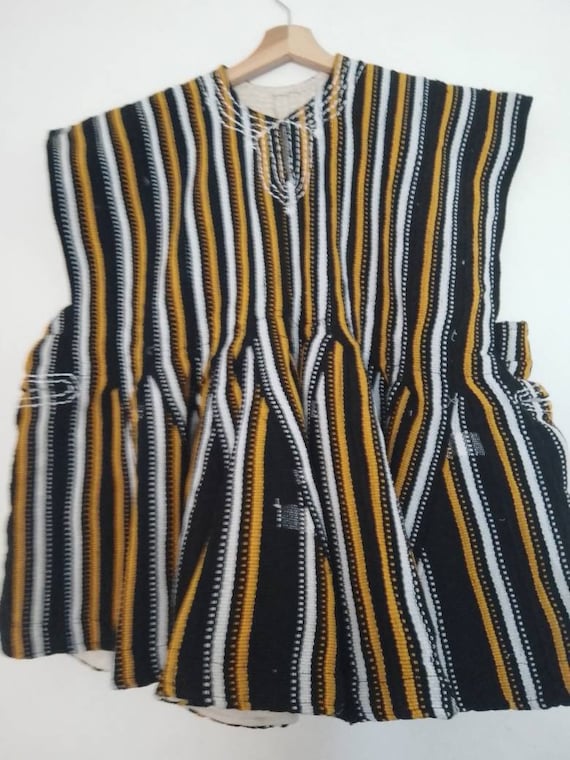
The Fugu: A Garment Steeped in History
The fugu, also commonly called batakari or simply a smock, is a loose-fitting tunic traditionally worn by men, though contemporary styles are embraced by all. Its origins are firmly rooted in the cultures of northern Ghana, particularly among the Dagomba, Mamprusi, and Gonja peoples. Historically, the garment was more than attire; it signified social status, ethnic identity, and occasion. The intricate hand-weaving process, often using locally spun cotton, and the symbolic patterns woven into the fabric tell stories and convey meanings known within the communities. This deep cultural significance makes the fugu an ideal symbol for a national revival movement aimed at reconnecting with indigenous roots.
The 'Fugu Day' Initiative: Policy Meets Culture
The declaration of Wednesday as 'Fugu Day' is a strategic cultural policy with multifaceted goals. By institutionalizing a specific day for wearing the garment, the government has created a regular, visible platform for cultural expression. This simple act has transformed the fugu from a regional or ceremonial costume into a weekly national uniform. The policy effectively mandates a collective engagement with tradition, making cultural preservation a participatory and public affair. It signals a top-down endorsement that validates the garment's importance, encouraging its adoption in urban centers and among younger generations who may have been disconnected from this aspect of their heritage.

Impacts and Significance of the Revival
The 'Fugu Day' phenomenon has triggered positive ripple effects beyond the sartorial. Firstly, it has provided a significant boost to local artisans, weavers, and tailors specializing in creating authentic fugu garments. This increased demand supports rural livelihoods and helps sustain traditional weaving techniques that might otherwise be at risk. Secondly, the movement fosters national identity. In a globalized world, the weekly sight of colleagues, officials, and citizens in fugu reinforces a unique Ghanaian cultural marker, promoting unity and patriotism. Finally, it educates and sparks curiosity about northern Ghanaian cultures among other ethnic groups, promoting internal cultural tourism and appreciation.
Looking Ahead: Tradition in a Modern Context
The success of 'Fugu Day' offers a compelling model for cultural preservation. It demonstrates how policy can gently guide public behavior to achieve cultural objectives without coercion. The challenge and opportunity now lie in innovation—ensuring that the fugu evolves within its traditional framework. Designers are experimenting with contemporary cuts, integrating the fabric into modern apparel like blazers, dresses, and accessories, making it relevant for everyday wear beyond Wednesdays. This balance between authenticity and adaptation is key to ensuring the fugu is not just revived but remains a living, dynamic part of Ghana's future.

The story of the fugu's comeback is a testament to the power of intentional cultural policy. By simply dedicating a day to its wear, Ghana has ignited a nationwide movement that honors the past, energizes the present, and weaves traditional identity into the fabric of the future. The colourful threads of the fugu are now stitching together communities, supporting local economies, and proudly proclaiming Ghana's rich heritage every Wednesday, and increasingly, every day.