Max Verstappen Criticizes 2026 F1 Cars as 'Formula E on Steroids'
Four-time Formula 1 world champion Max Verstappen has launched a scathing critique of the sport's new generation of cars introduced for the 2026 season. Following preseason testing, the Red Bull driver described the vehicles as 'not fun to drive' and compared the driving experience to Formula E 'on steroids,' citing excessive energy management requirements that detract from traditional F1 racing. His comments highlight a significant driver concern as F1 enters a new regulatory era focused on hybrid power and sustainability.
The dawn of Formula 1's 2026 regulatory era has been met with stark criticism from one of its most successful current drivers. Max Verstappen, the reigning four-time world champion, has publicly expressed significant dissatisfaction with the new generation of cars, labeling the driving experience as fundamentally at odds with what he believes Formula 1 should represent. His comments, made after testing the new Red Bull RB22 at circuits in Barcelona and Bahrain, center on the car's intense focus on energy management over flat-out racing.
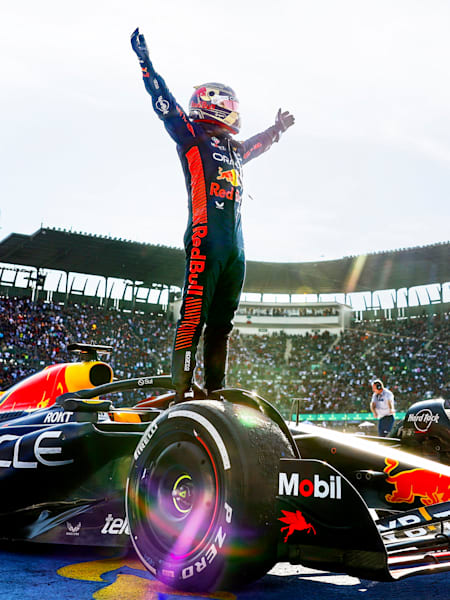
Verstappen's critique provides a rare, unfiltered driver's perspective on the sweeping technical changes designed to shape F1's future. The 2026 regulations introduce a new power unit philosophy targeting a near 50-50 split between internal combustion engine power and electrical energy from the battery. This shift, intended to attract new manufacturers like Audi and promote sustainability, has fundamentally altered the driver's role in the cockpit.
The Core of Verstappen's Criticism
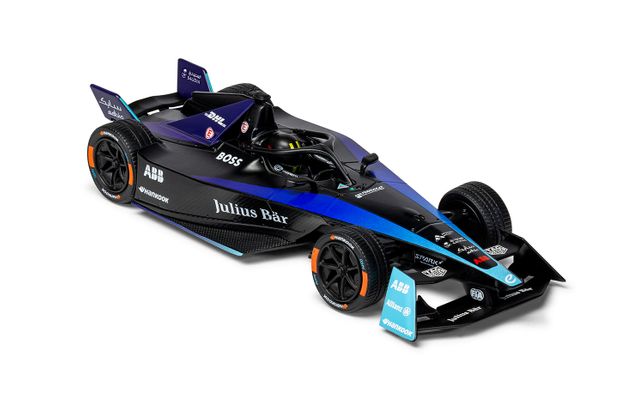
At the heart of Verstappen's complaint is the transformation of the driver's task from aggressive racing to meticulous energy stewardship. He stated that the sensation is 'not very Formula 1-like' and feels more akin to the all-electric Formula E series, but 'on steroids.' The primary issue is the constant need to manage the electrical energy available throughout a lap.
Drivers must now focus heavily on recharging the car's battery under braking and through specific cornering techniques, while the tactical deployment of that stored energy becomes a critical race strategy. Verstappen lamented that this leaves little room for the traditional, flat-out driving style that has defined F1. 'A lot of what you do as a driver, in terms of inputs, has a massive effect on the energy side of things. For me, that's just not Formula 1,' he explained, as reported by ESPN.

Regulatory Success vs. Driver Experience
Ironically, the 2026 rules have achieved one of their primary commercial and technical goals: attracting new power unit manufacturers to the sport. The regulations successfully convinced Audi to join the F1 grid and prompted Honda to reverse its decision to leave, extending its partnership. Red Bull also established its own dedicated power unit division to supply its teams.
However, Verstappen's comments underscore a potential conflict between the sport's technological roadmap and the core spectacle of driver skill and competition. He acknowledged the rules are the same for everyone and stated he has no issue with equal chances, but stressed that as a 'pure driver,' the enjoyment has diminished. 'The excitement level is not so high,' he admitted, despite his commitment to always give his best for the team.
Verstappen's Future and the 'Anti-Racing' Label
Verstappen has previously suggested that his continued participation in F1 could be contingent on whether he enjoys driving the cars. He clarified that his career decisions are not solely based on having a winning car. 'A winning car for me, that doesn't matter,' he said. 'It needs to be fun to drive as well.' He described the overall package as 'a bit, for me, anti-racing,' a bold statement from the sport's most dominant current figure.
Despite his criticisms, rivals have already identified the Red Bull as the early 'benchmark' car in preseason testing. Verstappen recognizes the long-term nature of the regulations, noting, 'I know that we're stuck with this regulation for quite a while.' His outspoken stance raises important questions for the FIA and Formula One Management about balancing innovation, sustainability, and the essential driver experience that fuels the sport's appeal.
Conclusion
Max Verstappen's candid assessment of the 2026 F1 cars serves as a powerful barometer for the sport's direction. While the new regulations mark a successful step towards a more sustainable and manufacturer-friendly future, they have seemingly come at a cost to the visceral, driver-centric thrill that defines Formula 1 for its competitors. As teams continue to develop these complex machines, the challenge will be to refine the package to better marry technical efficiency with the raw, unfettered competition that drivers like Verstappen, and fans, crave. The success of this new era may ultimately depend on finding that crucial balance.