Regional Repercussions: The Al Jazeera Forum on Gaza's Post-War Landscape
The 2026 Al Jazeera Forum in Doha convened to analyze the profound regional shifts triggered by Israel's war in Gaza. As Palestinians grapple with a fragile post-ceasefire reality, discussions centered on emerging power dynamics, the controversial new governance framework for Gaza, and the long-term geopolitical consequences for the Middle East. This article explores the key themes and expert insights presented at the forum, examining the challenges of reconstruction and the uncertain path toward stability.
Four months after the implementation of a ceasefire, the Middle East stands at a critical juncture, shaped by the devastating consequences of the war in Gaza. The 2026 Al Jazeera Forum, held in Doha, served as a pivotal platform for regional analysts and political figures to dissect the lasting impact of the conflict. The discussions, as reported by Al Jazeera, moved beyond immediate humanitarian crises to examine the fundamental power shifts and governance challenges that now define the post-war landscape. This analysis delves into the forum's central themes: the new political architecture for Gaza, the regional geopolitical recalibration, and the enduring quest for a sustainable peace.

The Post-War Governance Framework for Gaza
A central topic of debate at the forum was the proposed new administrative structure for Gaza. Following the extensive destruction, a committee of technocrats is expected to be appointed to manage the territory's governance. This model represents a significant departure from previous frameworks and is designed to address immediate reconstruction and administrative needs. However, its legitimacy and effectiveness are subjects of intense scrutiny and skepticism among regional observers.
Oversight and International Involvement
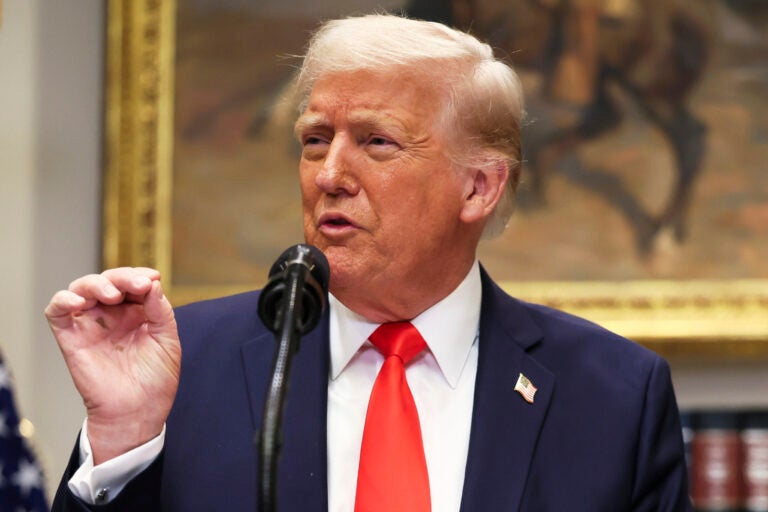
The proposed technocratic committee is slated to be overseen by a newly established entity called the Board of Peace, which will be headed by US President Donald Trump. This arrangement underscores a continued, and arguably intensified, level of international involvement in Gaza's affairs. The forum's participants questioned the viability and local acceptance of a governance model imposed with such direct external oversight, particularly given the complex political history of the region.
Geopolitical Power Shifts in the Middle East
Beyond Gaza's borders, the forum highlighted how the war has acted as a catalyst for broader regional realignments. The conflict has exacerbated existing tensions and created new diplomatic fault lines, influencing relationships between state actors and non-state groups across the Levant and the Arabian Peninsula. The prolonged nature and severity of the war have forced a reassessment of security doctrines and alliance structures throughout the Middle East.
Experts at the forum, including Professor Abdullah Al Shayji of Kuwait University, analyzed the changing dynamics of influence. Traditional power brokers are navigating a altered landscape where public opinion, shaped by the widespread coverage of the Gaza conflict, plays an increasingly significant role in foreign policy. The war's impact extends to ongoing situations, such as the tensions along the Israel-Lebanon border, indicating a interconnected regional security environment.
Expert Perspectives and the Road Ahead
The Al Jazeera Forum featured diverse voices offering critical analysis. Mustafa Barghouti, general secretary of the Palestinian National Initiative, provided insights into the Palestinian perspective on recovery and self-determination. Meanwhile, Professor Ziad Majed from The American University of Paris contributed an analysis of the international dimensions and legal ramifications of the post-war scenario.
A recurring question posed during the discussions was the fundamental chance of success for the new governance plan. Critics argue that any framework lacking genuine Palestinian political ownership and a clear trajectory toward sovereignty is doomed to face resistance and instability. The forum concluded that while immediate reconstruction is a pressing technical challenge, the deeper political questions regarding rights, justice, and ultimate political horizons remain unresolved and are central to any lasting peace.

Conclusion: An Uncertain Future
The Al Jazeera Forum of 2026 painted a picture of a region profoundly transformed by war. The shift towards a technocrat-led Gaza under international oversight marks a new, uncertain chapter. The discussions affirmed that the war's impact is not confined to Gaza's rubble but resonates through the power structures of the entire Middle East. The path forward is fraught with challenges, requiring not only physical rebuilding but also a credible and inclusive political process that addresses the root causes of the conflict. As the region grapples with these shifts, forums like this remain essential for understanding the complex journey from ceasefire to sustainable peace.