Read on the Guardian
The Growing Power Divide: How Billionaire Wealth and Political Influence Are Shaping Global Inequality
Oxfam's latest report reveals a stark global reality: billionaire wealth has surged to an unprecedented $18.3 trillion while governments increasingly favor oligarchic systems over democratic accountability. The analysis shows how concentrated wealth translates directly into political power, with billionaires 4,000 times more likely to hold political office than ordinary citizens. This article examines the mechanisms of this influence, the resulting repression of popular protests against austerity, and the emerging youth-led movements challenging this concentration of power across Africa, Asia, and Latin America.
The concentration of global wealth has reached unprecedented levels, creating a power dynamic that threatens democratic governance and social stability worldwide. According to Oxfam's latest inequality report, the world's billionaires now control a staggering $18.3 trillion in collective wealth, a figure that has grown by 81% since 2020. This accumulation of economic power has translated directly into political influence, with governments increasingly opting for oligarchic systems while suppressing popular protests against austerity measures and unemployment. This article examines the mechanisms of this wealth-to-power conversion and its implications for global inequality.
The Scale of Global Wealth Concentration
For the first time in history, the number of billionaires has surpassed 3,000 individuals, according to Oxfam's annual survey. Their collective wealth of $18.3 trillion represents not just economic power but political leverage on a global scale. The $8.2 trillion increase in billionaire wealth since 2020 alone would be sufficient to eradicate global poverty 26 times over, highlighting the stark contrast between extreme wealth accumulation and persistent poverty. This concentration occurs against a backdrop of stalled progress in fighting global hunger and poverty, creating what Oxfam researchers describe as a "brazen" display of inequality.
Wealth as Political Power
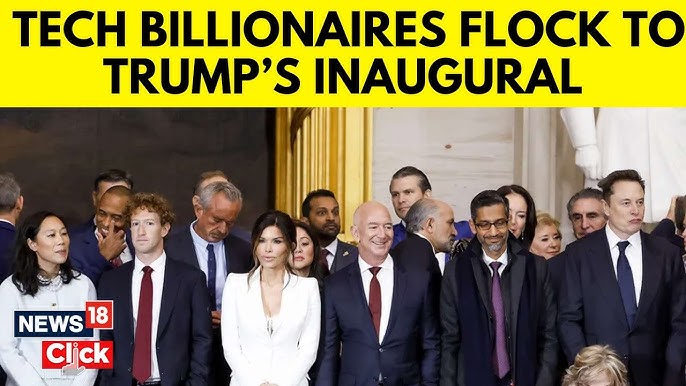
The transformation of economic wealth into political influence has become increasingly overt in recent years. Oxfam's research reveals that billionaires are approximately 4,000 times more likely than ordinary citizens to hold political office, creating what the report authors call "the rule of the rich." This influence operates through multiple channels: direct political office holding, campaign donations, media ownership, and policy lobbying. More than half of the world's media companies and nine of the top ten social media platforms are owned by billionaires, giving them unprecedented control over information flows and public discourse.
Government Responses to Popular Discontent
As wealth concentrates at the top, governments worldwide have responded to popular discontent with repression rather than redistribution. The past year has witnessed youth-led uprisings across Africa, Asia, and Latin America, with protests targeting corruption, austerity measures, unemployment, and rising living costs. Instead of addressing these legitimate grievances, many governments have chosen to "brutally repress" these movements, according to Oxfam's analysis. This pattern represents what report co-author Max Lawson describes as governments "choosing to defend wealth, not freedom" and "choosing to repress their people's anger at how life is becoming unaffordable and unbearable."
Case Studies in Resistance
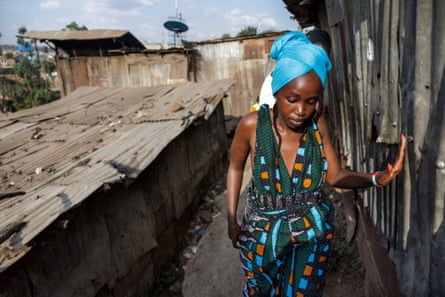
The global pattern of wealth concentration and political influence manifests differently across regions but follows similar dynamics. In Kenya, social activist Wanjira Wanjiru observes the stark contrast between Mathare slum's lack of clean water and sanitation and the adjacent golf club's constantly running sprinklers. She notes how the Kenyan government has imposed austerity on education and healthcare while granting tax exemptions to businesses, effectively capitulating to wealthy interests. Similarly, Nepal witnessed a significant uprising in September 2025, where protests driven by anger over corruption led to the unseating of the government. The movement specifically targeted Binod Chaudhary, Nepal's only billionaire and a member of parliament, whose properties were burned down by protesters.
The Future of Global Inequality
Despite the concerning trends, there are signs of resistance and potential change. Youth movements across developing countries are increasingly challenging the influence of wealth over politics. As Nepali political consultant Pradip Gyawali notes, recent protests represent "a new revolution, not only in our country but the whole world, that the youth should have their say and some power in politics." Research from the United States indicates that when wealthy interests support a policy, it has a 45% chance of adoption compared to just 18% when they oppose it. This disparity highlights the structural advantage that concentrated wealth provides in political systems worldwide.
Conclusion: Choosing Between Oligarchy and Democracy
The global inequality crisis represents a fundamental choice between oligarchic rule and democratic governance. As billionaire wealth continues to concentrate and translate into political power, governments face increasing pressure to either serve wealthy interests or respond to popular demands for equity and justice. The repression of protests against austerity and unemployment represents a dangerous trend toward authoritarian responses to economic discontent. However, the emergence of youth-led movements across multiple continents suggests that resistance to this concentration of power is growing. The coming years will determine whether global governance structures can be reformed to address extreme inequality or whether the "rule of the rich" will become further entrenched.