Arctic Sentinels: How Seabirds Reveal the Hidden Reach of Global Pollution
In the remote, pristine landscapes of the Arctic, black-legged kittiwakes are serving as unwitting sentinels of global pollution. For over 25 years, researchers have monitored these migratory seabirds in Svalbard, uncovering how synthetic chemicals and mercury travel vast distances to contaminate even the most isolated ecosystems. Their work reveals a troubling paradox: as some banned pollutants decline, newer contaminants like PFASs are on the rise, while climate-driven changes in ocean currents are reintroducing mercury into the food chain. This long-term study provides crucial insights into how human activity impacts wildlife in the farthest reaches of our planet.
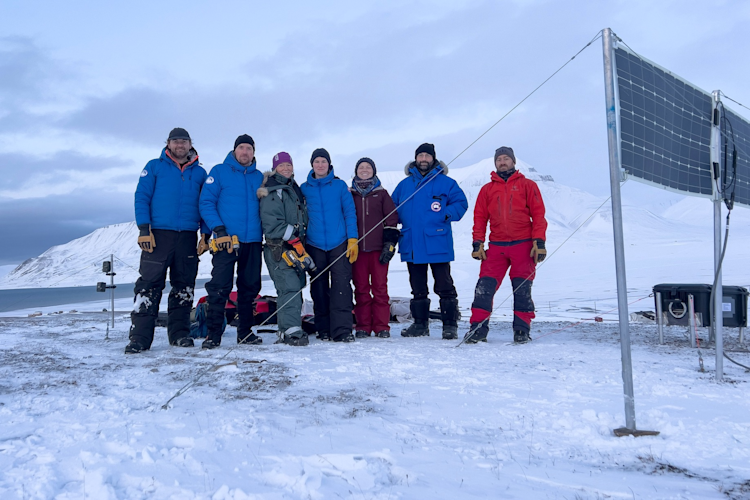
High in the Arctic Circle, where polar bears outnumber people, a unique scientific endeavor unfolds each summer. For a quarter of a century, biologist Olivier Chastel has returned to the same remote cliffs of Svalbard, Norway, armed with both a rifle for safety and a fishing rod for science. His mission: to understand how global pollution infiltrates one of Earth's last wildernesses through the lives of black-legged kittiwakes (Rissa tridactyla). These migratory seabirds, which travel thousands of kilometers annually between the Canadian Arctic and Svalbard, have become living barometers of environmental health, revealing how contaminants travel across continents and accumulate in seemingly pristine ecosystems.
The Arctic Paradox: Remote Yet Contaminated
The Arctic presents a profound environmental paradox. Despite being thousands of kilometers from major industrial or agricultural centers, its ecosystems carry significant burdens of human-made pollutants. This occurs through what scientists call long-range transport—where chemicals travel via atmospheric currents, ocean circulation, and river discharge from lower latitudes. The black-legged kittiwakes that nest on Svalbard's western Kongsfjorden coastline feed in waters that ultimately connect to global systems, making them ideal indicators of this contamination process. As Chastel explains, "It's the paradox of the Arctic, which is clean and remote, far away from industry or agriculture, but still—because of long-range transport—we find very high levels of contaminants."
Monitoring Methods: Fishing for Science
The research methodology developed over 25 years combines patience with innovation. Each summer between mid-May and early July, Chastel and his colleague Frédéric Angelier monitor approximately 180 nests in the Krykkjefjellet kittiwake colony. They identify individual birds using metal rings and coded plastic bands, tracking their return, breeding timing, and reproductive success. To examine nest contents without disturbing the birds, they use long poles with small mirrors. The most distinctive technique involves catching birds for blood sampling using a fine noose on the end of a fishing rod—a method Chastel describes as "fishing for seabirds." The collected samples—blood, feathers, and occasionally regurgitated meals—are analyzed in laboratories to measure contaminant levels and physiological impacts.

Chemical Whack-a-Mole: From DDT to PFAS
The research has documented a shifting landscape of chemical contamination. While levels of some historically banned pollutants like the insecticide DDT have decreased, newer synthetic chemicals have taken their place. Of particular concern are polyfluoroalkyl substances (PFASs)—manufactured chemicals used in non-stick cookware, food packaging, and waterproof textiles. These "forever chemicals" persist in the environment and accumulate in biological tissues. Chastel's research, supported by the French Polar Institute and conducted in partnership with the Norwegian Polar Institute, has shown that PFASs transfer to the yolks of kittiwake eggs, lowering hatching rates and reducing overall survival. Particularly alarming findings indicate that PFASs disrupt hormones and lower fertility in male birds, with the proportion of abnormal sperm correlating directly with PFAS levels in the kittiwakes.
Climate Change and Mercury Resurgence
Another critical finding involves mercury, a potent neurotoxin. For years, international restrictions led to declining mercury levels in seabird tissues. However, since 2015, concentrations have begun rising again—a trend linked to climate-driven "Atlantification." This process involves warm Atlantic waters pushing further into Arctic fjords, changing ocean circulation and prey availability. Kittiwakes, which typically feed on fish and zooplankton near the sea surface, are now consuming more Atlantic cod and herring instead of their historical prey like polar cod. These Atlantic species carry higher mercury levels, indicating a broader ecosystem shift driven by climate change. The birds' changing diet serves as an early warning system for how warming temperatures are restructuring Arctic food webs and reintroducing toxins.
Ecosystem Changes and Research Implications
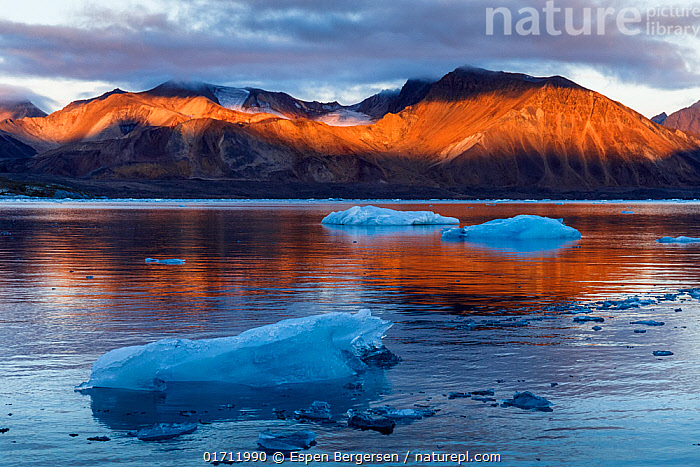
The physical environment itself has transformed dramatically during the 25-year study. "There used to be sea ice in the fjord in May when we arrived for the start of the season, but we haven't seen any sea ice since 2009," Chastel notes. This loss of sea ice represents just one visible aspect of broader ecosystem changes that affect contaminant transport, prey availability, and bird physiology. Angelier's complementary research focuses on how contaminants affect telomeres—protective caps at the ends of chromosomes that serve as biomarkers of cellular aging and overall health. Together, their work provides a comprehensive picture of how multiple stressors—chemical contamination, climate change, and habitat alteration—interact to impact Arctic wildlife.
Conclusion: Sentinels for a Changing World
The long-term monitoring of Arctic kittiwakes offers more than just data about specific contaminants; it provides a vital window into how human activities globally affect even the most remote ecosystems. These seabirds serve as sentinels, their bodies recording the chemical legacy of industrial societies and the ongoing impacts of climate change. As Chastel reflects on 25 years of research, he emphasizes both concern and commitment: "The ecosystem has changed dramatically, and I worry about the future." Yet he continues his work, drawn by the simplicity of life in the Arctic and the profound insights gained from observing these birds. Their journeys across hemispheres and their accumulation of distant pollutants tell a story of interconnectedness—a reminder that there are no truly isolated places left on our planet, and that protecting the Arctic requires addressing pollution and climate change at their sources, thousands of kilometers away.