Read on France 24
Saudi Arabia Warns Yemen Separatists as Air Strikes Escalate Tensions
Saudi Arabia has issued a direct warning to separatist forces in Yemen, stating it will back the internationally recognized government in any military confrontation. The warning, delivered on December 27, 2025, follows reported Saudi air strikes on separatist positions in Hadramawt province. This analysis examines the escalating situation, the breakdown of the status quo, and the implications for Yemen's fragile political landscape as regional powers signal a more direct interventionist stance.
The fragile political landscape in Yemen faces renewed volatility as Saudi Arabia issued a stark warning to separatist forces on December 27, 2025. The kingdom declared it would support Yemen's internationally recognized government in any military confrontation, urging separatists to withdraw "peacefully" from provinces they recently seized. This statement came just one day after reported Saudi air strikes targeted separatist positions in Yemen's eastern Hadramawt province, marking a significant escalation in direct intervention. As analyzed by Mohammed Al-Basha of the Basha Report, a US-based risk advisory firm, these developments signal that "the status quo is no longer feasible" in the protracted conflict.

The Escalating Saudi Stance
Saudi Arabia's warning represents a clear shift in its diplomatic and military posture toward the internal factions within Yemen. For years, the Saudi-led coalition has primarily focused its military campaign against the Houthi rebels in the north, who are aligned with Iran. The recent direct confrontation with southern separatist groups, however, complicates the conflict's dynamics. These separatists, who seek an independent South Yemen, have been nominal allies of the Saudi-backed government in the fight against the Houthis. Saudi Arabia's ultimatum underscores its determination to prevent the fragmentation of Yemen and maintain the unity of the government it supports, fearing that a successful separatist movement could create a permanent rupture and further destabilize the Arabian Peninsula.
The Hadramawt Province Flashpoint
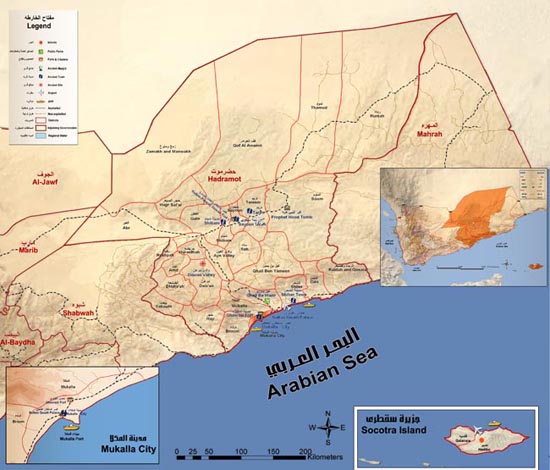
The immediate trigger for Saudi Arabia's warning was the separatists' seizure of territory in Hadramawt province. Hadramawt is Yemen's largest governorate, rich in oil and gas resources, and holds significant strategic and economic importance. Control over its ports and energy infrastructure is a key prize for any faction. The reported Saudi air strikes on December 26 targeting separatist positions there demonstrate a willingness to use force to roll back these gains. This military action, followed by the public warning, is a coordinated message designed to pressure the separatists into a retreat without triggering a full-scale war on a new front, which would further strain Saudi military and financial resources.
Analysis: The End of the Status Quo
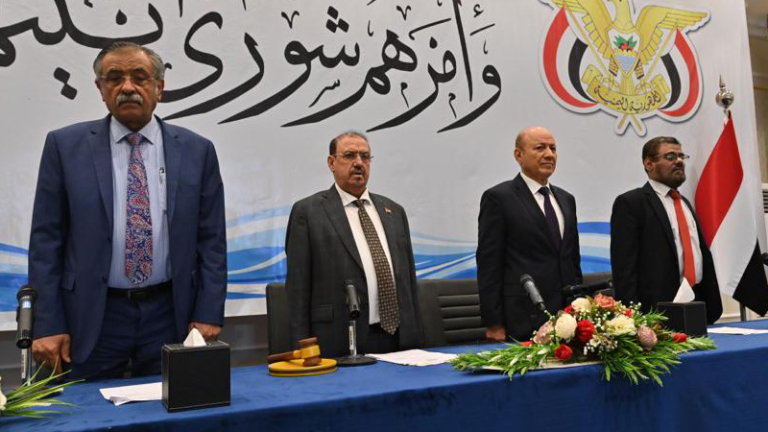
According to analyst Mohammed Al-Basha, these events signify that the existing, unstable equilibrium in Yemen's multi-layered war is collapsing. The status quo, characterized by a stalemate between the Houthis and the Saudi-backed government, with occasional flare-ups with other groups, is proving unsustainable. The separatists' bold land grabs challenge the authority of the Riyadh-backed Presidential Leadership Council, which is already struggling with legitimacy and cohesion. Saudi Arabia's response indicates it will no longer tolerate challenges to its preferred political order from within its own allied camp. This move is likely driven by a need to present a unified front ahead of any potential negotiations with the Houthis and to secure its long-term influence in post-conflict Yemen.
Regional Implications and the Path Forward
The escalation carries profound implications for regional security. It risks opening a second major front within the anti-Houthi bloc, potentially diverting resources and weakening the coalition. Furthermore, it could push the separatists to seek other alliances, further complicating the geopolitical puzzle. The call for a "peaceful" withdrawal suggests Saudi Arabia still prefers a diplomatic solution to this internal rift, but it is now backing that diplomacy with a clear threat of military force. The path forward is fraught with risk. Either the separatists heed the warning and withdraw, leading to tense negotiations over southern autonomy, or they dig in, potentially forcing Saudi Arabia and its allied Yemeni government forces into a costly new conflict that could shatter the fragile alliance against the Houthis.
In conclusion, Saudi Arabia's warning and accompanying military action in Hadramawt mark a pivotal moment in the Yemen war. By directly confronting separatist forces, Riyadh is attempting to reassert control over the narrative and the territory of its allied government. As analyst Mohammed Al-Basha notes, the old rules of engagement are changing. The international community must now watch closely to see if this pressure leads to a recalibration of separatist ambitions or ignites another bloody chapter in Yemen's long tragedy. The stability of Yemen and the broader Gulf region may hinge on the outcome of this tense standoff.