Read on foxsports.com
How the Detroit Lions Can Sustain Their Super Bowl Contention Window
After a disappointing 2025 season that saw their playoff hopes dashed, questions surround the Detroit Lions' future as contenders. While the foundation built by Dan Campbell is strong, maintaining their Super Bowl window requires strategic adjustments. This article analyzes the critical need for the Lions to conduct a thorough self-audit and secure a top-tier offensive coordinator to recapture their innovative edge and return to championship form.
The Detroit Lions' 2025 season ended with a sobering thud, a 23-10 loss to the Minnesota Vikings that eliminated them from playoff contention. This outcome has sparked a vital organizational conversation: how can a team that recently established itself as a force maintain its Super Bowl window? The path forward isn't about a complete teardown but a precise, strategic recalibration of existing strengths.
The Imperative for a Strategic Self-Audit
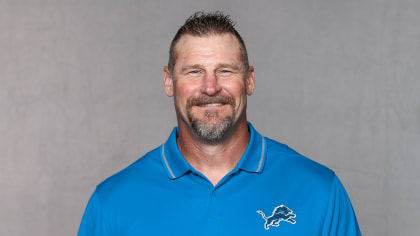
As highlighted by analyst Colin Cowherd on FOX Sports, the first step for the Lions is a candid organizational self-assessment. In the competitive business of the NFL, acknowledging areas of decline is essential for a turnaround. The Lions must honestly evaluate what changed between their successful 2023-24 campaigns and the regression witnessed in 2025. This audit should extend beyond player performance to encompass coaching structure, schematic evolution, and overall operational efficiency. The goal is to identify the specific leaks in a ship that was recently sailing smoothly, not to abandon it altogether.
The Critical Need for an Elite Offensive Architect
The most glaring issue identified in the Lions' 2025 season was the decline of their offense following the departure of coordinator Ben Johnson to become head coach of the Chicago Bears. The statistics are stark: under Dan Campbell, the Lions compiled a 36-15 record with Johnson calling plays, compared to an 11-21-1 record without him. This disparity underscores a fundamental truth about Campbell's successful model. As Cowherd notes, Campbell excels as a "culture-creator"—a leader who instills toughness, resilience, and belief. However, he is not primarily a scheme innovator; his genius lies in setting the tone and empowering elite coordinators.
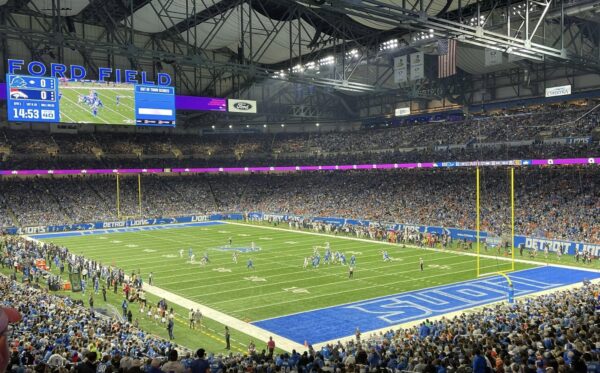
The mid-season decision for Campbell to assume play-calling duties from replacement John Morton provided a temporary spark against lesser opponents but failed against playoff-caliber teams, resulting in an 0-4 record in such games. This experiment proved that while Campbell can manage the offense, the Lions' ceiling is dramatically higher with a dedicated, innovative offensive mind at the coordinator position. The 2025 offense lacked the crispness, creativity, and dynamism that defined the Johnson era. Therefore, the single most important offseason task is to find a coordinator who can restore that strategic edge and allow Campbell to focus on his core competency: leading the entire team culture.
Building on a Strong Foundation
It is crucial to frame this necessary adjustment not as a crisis, but as an opportunity to refine a proven model. The Lions' infrastructure under Campbell and General Manager Brad Holmes remains solid. The culture of resilience is established, and the roster possesses cornerstone talent. The mission is not to rebuild but to reload a specific, critical component. Securing the right offensive coordinator will unlock the potential of the existing roster, from the quarterback to the offensive line and skill positions. This hire will determine whether the Lions' window remains open or begins to close. By addressing this pivotal need, Detroit can quickly re-establish itself as a formidable contender in the NFC, proving that their recent success was not a fleeting anomaly but the foundation of a sustained competitive era.