Beyond Smartwatches: The Dawn of Wearable Neurotechnology
While smartwatches track steps and heart rate, a new frontier of wearables is emerging: devices designed to read your brain waves. Using electroencephalography (EEG) and artificial intelligence, these head-worn gadgets aim to improve sleep, boost productivity, treat depression, and even enable thought-controlled gaming. From Elemind's sleep-enhancing headband to Neurable's focus-tracking headphones and Apple's foray into brain-computer interfaces, wearable neurotech is moving from medical labs to consumer markets. This article explores the current landscape, key players, and the profound privacy implications of technology that interfaces directly with our minds.
The wearable technology landscape is evolving beyond fitness trackers and smartwatches that monitor physical metrics. A new generation of devices is emerging that interfaces directly with the human brain, promising to enhance cognitive function, improve mental health, and create entirely new ways of interacting with technology. These wearable neurotech devices represent a significant leap from tracking what your body does to understanding how your mind works.

What is Wearable Neurotechnology?
Wearable neurotechnology refers to devices that use electroencephalography (EEG) to detect electrical impulses produced by the brain. Unlike implanted brain-computer interfaces (BCIs), these are non-invasive wearables—typically headbands, headphones, or headsets—that use artificial intelligence to interpret brain wave patterns. This technology moves beyond simply tracking physiological data to actively interacting with and influencing cognitive states.
Current Applications and Devices
Sleep Enhancement Technology
Elemind, based in Cambridge, Massachusetts, has developed a $350 headband designed to improve sleep quality rather than just track it. The device detects whether a person is asleep or awake through brain signals and delivers acoustic stimulation known as pink noise to transition the brain from wakeful patterns to delta waves associated with deeper sleep. In a trial of 21 participants, the device helped more than three-quarters of them fall asleep faster.
Productivity and Focus Tracking
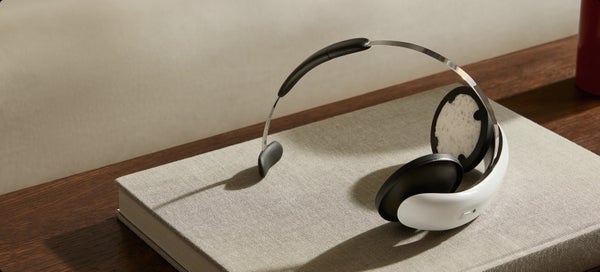
Boston-based Neurable offers $500 headphones equipped with EEG sensors that track brain activity associated with concentration, specifically beta waves. The device provides users with feedback on their focus levels and can suggest breaks when it detects prolonged deep concentration. This technology confirms individual productivity patterns—for instance, identifying morning hours as peak focus time for many users—while promoting healthier work habits.
Major Tech Company Involvement
Apple is actively exploring this space, having filed a patent in 2023 for EEG-sensing AirPods. More significantly, the company recently unveiled an accessibility feature allowing its Vision Pro augmented reality headset to be controlled with brain waves instead of physical movement. This integration opens the door for brain-computer interfaces to work with mainstream consumer devices.
Medical and Therapeutic Applications
Several companies are pursuing regulatory approval for wearable neurotech as medical devices. Flow Neuroscience of Sweden has developed a headset that emits transcranial direct current stimulation to treat depression, accompanied by a behavioral therapy app. The device received FDA approval in December as the first at-home, nondrug treatment for major depressive disorder available in the United States. Clinical trials showed 45 percent of participants using the device experienced symptom remission at 10 weeks compared to 22 percent in a control group.
The Future Ecosystem: Open Platforms and Gaming
Andreas Melhede of Elata Biosciences is building what he calls the "open internet of brains"—an open-source network where developers can create neuro apps that run on EEG devices. The organization has already demonstrated a thought-controlled Pong game at a Singapore conference, where competitors used brain signals instead of controllers. This approach aims to democratize neurotech development, inviting applications across gaming, research, and wellness sectors.
Privacy and Ethical Considerations
As wearable neurotech advances, significant privacy concerns emerge. Brain wave data is highly personal and can reveal intimate details about mental and emotional states. Unlike step counts or heart rates, neural data could expose private thoughts, emotional vulnerabilities, and cognitive patterns. The potential misuse of this data—whether by employers monitoring focus, advertisers targeting based on emotional states, or unauthorized third-party access—represents a fundamental challenge to what Nita Farahany, author of "Battle for Your Brain," calls "the last frontier of privacy."
The Road Ahead
Farahany predicts wearable neurotech will become increasingly ubiquitous, evolving from today's headbands and headphones to seamless integrations like "little tattoos behind your ear that are integrated with all your devices." As the technology advances, we'll need to establish clear ethical guidelines, robust data protection standards, and transparent policies about how neural data is collected, stored, and used. The transition from tracking our bodies to interfacing with our minds represents one of the most significant technological shifts of our time, with implications for healthcare, productivity, entertainment, and fundamental human privacy.