Read on bbc.com
Venezuela Denounces Trump's Oil Tanker Blockade as Escalation in US Pressure
US President Donald Trump has ordered a comprehensive blockade of all sanctioned oil tankers entering and leaving Venezuela, a move Caracas has condemned as 'warmongering threats.' This significant escalation follows the recent US seizure of an oil tanker off Venezuela's coast and a substantial military build-up in the Caribbean. The article examines the legal and geopolitical implications of this action, Venezuela's heavy reliance on oil exports, and the broader context of US sanctions aimed at the government of Nicolás Maduro.
The geopolitical tension between the United States and Venezuela has entered a new, more confrontational phase. In a significant escalation, US President Donald Trump has ordered "a total and complete" blockade of all sanctioned oil tankers from Venezuelan waters, a directive denounced by the government in Caracas as an act of aggression. This move intensifies a long-standing campaign of pressure against President Nicolás Maduro's administration and follows a series of recent military actions, including the seizure of a Venezuelan oil tanker. The situation underscores the critical role of Venezuela's oil industry in its economy and its vulnerability to international sanctions.
The Blockade Order and Immediate Reactions
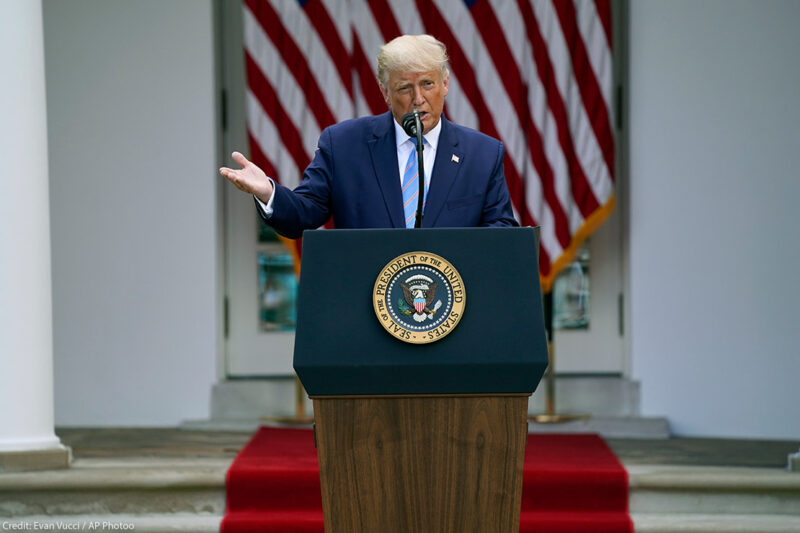
President Trump's announcement, made via a post on Truth Social, framed the action within a broader accusation against the Venezuelan government. He designated Maduro's administration as a foreign terrorist organization (FTO), alleging its involvement in "Drug Smuggling, and Human Trafficking." The order for a naval blockade represents a dramatic hardening of US policy. In response, Venezuelan officials have consistently labeled such moves as attempts to steal the nation's vast oil resources, framing the US actions as illegal under international law. The rhetoric from both sides suggests a willingness to escalate, with Trump claiming Venezuela is "completely surrounded by the largest Armada ever assembled in the History of South America."
Context: The Seizure of the 'Skipper' Tanker
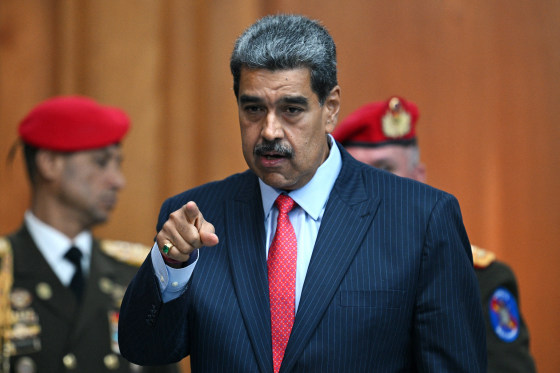
The blockade order did not occur in a vacuum. It comes just one week after the United States seized the oil tanker 'Skipper' off the coast of Venezuela. The White House stated the vessel was involved in "illicit oil shipping" and would be taken to a US port. For Venezuela, a nation whose economy is overwhelmingly dependent on oil exports, this was a direct blow. President Maduro accused the US of having "kidnapped the crew" and "stolen" the ship. This seizure was part of a wider sanctions enforcement effort; data indicates that more than 30 of the 80 ships in or near Venezuelan waters were under US sanctions at the time, highlighting the extensive reach of American economic pressure.
Military Build-up and Legal Questions
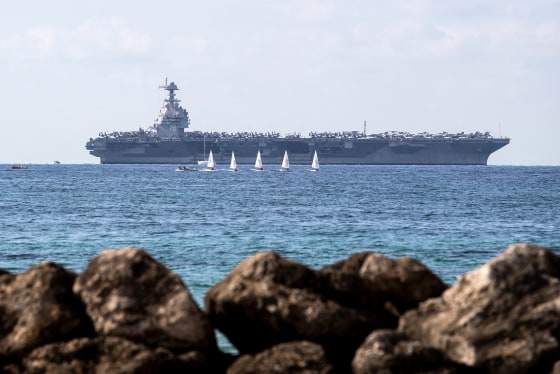
Accompanying these economic measures has been a noticeable US military build-up in the Caribbean Sea. This has involved positioning thousands of troops and advanced naval assets, including the USS Gerald Ford aircraft carrier, within operational range of Venezuela. This show of force provides the tangible backing for the blockade threat. However, the legality and nature of such an action are hotly contested. US Congressman Joaquin Castro, a Democrat, stated unequivocally that a "naval blockade is unquestionably an act of war," and lawmakers prepared a resolution to direct the president to end hostilities. The situation blurs the lines between sanctions enforcement, counter-narcotics operations, and potential armed conflict.
The Broader US Strategy and Venezuelan Vulnerability
The recent actions fit into a sustained US strategy spanning multiple administrations to isolate and pressure Maduro's government, which the US and many other nations consider illegitimate following disputed elections. Sanctions have targeted not only the state oil company but also shipping networks and individuals close to Maduro. The FTO designation expands this pressure. For Venezuela, home to the world's largest proven oil reserves, these measures strike at the heart of its economic survival. The blockade of sanctioned tankers aims to cripple the government's primary source of revenue, exacerbating the nation's profound economic and humanitarian crisis. The international community remains divided, with UN officials also warning of a domestic "crackdown on civic space" in Venezuela.
Conclusion and Implications
The order for a total blockade of Venezuelan oil tankers marks a dangerous escalation in US-Venezuela relations. It moves beyond financial sanctions and asset seizures into the realm of direct military interdiction, raising serious legal and geopolitical questions. While the US frames this as a necessary action against a regime accused of terrorism and drug trafficking, Venezuela and critics see it as an act of economic warfare and a pretext for resource control. The coming weeks will be critical in determining whether this blockade is fully enforced, how Venezuela and its allies respond, and what the ultimate impact will be on the stability of Maduro's government and the well-being of the Venezuelan people.