Read on the Guardian
South Africa Seeks Return of Citizens Allegedly Tricked into Fighting for Russia in Ukraine
South Africa's government is engaged in sensitive diplomatic talks with Russia to repatriate 17 of its citizens who were allegedly deceived into fighting on the frontlines in Ukraine. The men, along with two from Botswana, were reportedly lured to Russia by Duduzile Zuma-Sambudla, daughter of former President Jacob Zuma, under false pretenses of bodyguard training or personal development courses. The case highlights complex international legal and humanitarian challenges, with families pleading for the safe return of their loved ones from an active warzone.
The South African government has confirmed it is engaged in high-level diplomatic negotiations with Russia to secure the return of 17 South African nationals allegedly deceived into fighting for Russian forces in Ukraine. This complex international incident, involving accusations against a prominent political family, underscores the dangerous intersection of private recruitment, geopolitical conflict, and citizen protection.
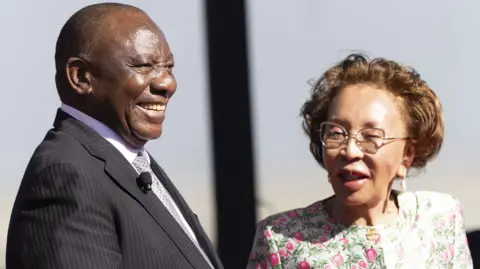
According to official statements and legal filings, the men were recruited in July under false pretenses. Vincent Magwenya, spokesperson for President Cyril Ramaphosa, described the situation as "very sensitive" and confirmed the men are in "grave, grave danger." The government's primary engagement is with Russian authorities, as it is believed the men were integrated into Russian military structures.
The Alleged Recruitment Scheme
The central figure in the allegations is Duduzile Zuma-Sambudla, daughter of former South African president Jacob Zuma. She is accused in multiple lawsuits of recruiting the 17 South African and two Botswanan men by promising them roles as bodyguards for her father's uMkhonto weSizwe (MK) political party or placement in a personal development course. These promises, according to the plaintiffs, were a ruse to transport the men to Russia and ultimately to the Ukrainian frontline.
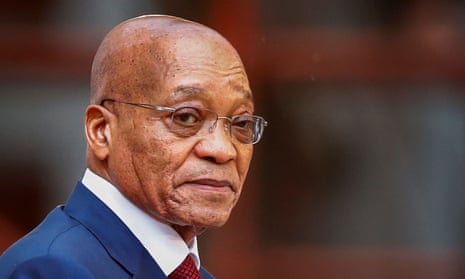
The case took a further dramatic turn when another of Zuma's daughters, Nkosazana Zuma-Mncube, filed a police report in November alleging that Zuma-Sambudla and two others—Blessing Khoza and Siphokazi Xuma—deceptively recruited the men. Notably, eight of the recruited men are reported to be members of Zuma-Mncube's own family. In a counter-accusation, Zuma-Sambudla filed her own police report claiming she was herself deceived by Khoza into believing she was recruiting for a legitimate paramilitary training program.
Government Response and Diplomatic Efforts
The South African government first acknowledged the crisis publicly on November 6, stating it had received distress calls from the men. Spokesperson Magwenya emphasized that retrieving the citizens is receiving "the highest possible attention" from the government. The diplomatic challenge is compounded by the ongoing war in Ukraine and the men's alleged incorporation into Russian military forces, limiting direct access for South African officials.
Magwenya clarified that engagements are "more with the authorities in Russia and less so with the authorities in Ukraine," based on information that the men were "bungled into the Russian military forces." This focus suggests a bilateral negotiation between Pretoria and Moscow, rather than a multilateral approach involving Ukrainian authorities. The Russian embassy in South Africa has not publicly commented on the allegations or the negotiations.
Families in Anguish and Public Outcry
The human cost of the alleged deception is vividly illustrated by the families left behind. On December 5, at least 13 relatives and friends of the men protested outside Durban City Hall, carrying placards with messages like "Save Our Men. Home Is Where They Belong" and "Bring Them Back Alive. Bring Them Back Safe." The protest highlighted the desperation and fear gripping the families.

One mother, speaking to the South African Broadcasting Corporation (SABC), described the torment of hearing about the ill-treatment her son endures. "They are pleading with us every day to bring them home. That's all we want at this stage, for them to come back home alive," she said. Another mother told the Guardian her son last contacted her on August 27, reporting he was being forced to sign a contract in Russian he could not understand and feared imminent deployment to the Ukrainian frontlines.
Legal and International Implications
This case raises significant legal questions regarding transnational recruitment, mercenary activities, and state responsibility. The allegations, if proven, could constitute serious crimes under South African and international law. The involvement of a former president's daughter adds a layer of political sensitivity within South Africa, potentially impacting domestic politics and the reputation of the Zuma family.
Internationally, the incident tests diplomatic relations between South Africa and Russia. South Africa has maintained a non-aligned stance on the Ukraine war, which has drawn criticism from Western allies. This crisis forces a direct and delicate engagement with Moscow on a highly charged humanitarian issue. The outcome will be closely watched as a test of Russia's willingness to cooperate on such matters and of South Africa's diplomatic efficacy in protecting its citizens abroad in conflict zones.
The plight of the 19 men remains unresolved, with their families clinging to hope as behind-the-scenes diplomacy continues. The case serves as a stark warning about the perils of overseas recruitment schemes during times of war and the profound responsibilities of governments to safeguard their citizens from such predatory practices.