Read on FashionNetwork.com
Three Decades of Luxury Communication: Area CG's Journey and the Evolution of the Sector
As Area Comunicación Global celebrates its 30th anniversary in 2025, founder Fernando Rius reflects on the agency's journey from a boutique Spanish firm to an international player with offices in Madrid, Mexico City, and Lisbon. Specializing in luxury communications since 1995, Rius shares insights on how the sector has transformed, the enduring definition of true luxury, and how his agency has navigated global crises while maintaining its human-centric, creative philosophy. This article explores the past, present, and future of luxury communication through the lens of one of Spain's pioneering agencies.
In 2025, Area Comunicación Global (Area CG) marks a significant milestone: thirty years of specializing in luxury communications. Founded in 1995 by Fernando Rius, the agency has grown from a boutique Spanish firm into an international player with a team of fifty people and offices in Madrid, Mexico City, and Lisbon. As the luxury sector continues to evolve amidst technological disruption and shifting consumer values, Rius's reflections offer a unique perspective on what has changed—and what remains timeless. This article, based on an interview with FashionNetwork.com, delves into the agency's journey, its philosophy, and the future of luxury communication.

The Genesis of a Luxury Communications Pioneer
Fernando Rius did not set out with a clear blueprint for a communications agency. Instead, Area CG was born from what he describes as a need for reinvention, drawing on 18 years of comprehensive experience across the fashion industry. His career spanned roles from working at Madrid's pioneering concept store Cabás, which featured designers like Issey Miyake and Azzedine Alaïa, to serving as buying director at Loewe alongside Enrique Loewe, and contributing runway reports to the early issues of Vogue Spain. This multifaceted background gave him a holistic understanding of the luxury process, from fabric conception and desire creation to final sale.
The agency's first clients emerged through serendipity and reputation. A referral from Italy led to Area CG handling communications for Tod's, while simultaneously, Calvin Klein enlisted Rius to organize a high-profile Madrid boutique opening featuring Kate Moss. These foundational clients, alongside consultancy work for Loewe and Zegna, established the agency's credibility. Over three decades, the client roster expanded to include Ralph Lauren, Gucci, Burberry, and beyond, always maintaining what Rius calls a "family-like" and direct dialogue with brands.
Defining True Luxury in a Changing World
At the heart of Area CG's philosophy is a nuanced definition of luxury that has guided the agency for thirty years. Rius articulates a perspective that transcends price tags: "Luxury is not buying something expensive; it is understanding the culture, the history, the time that lies behind each product." This ethos has shaped the agency's selective approach, working with clients—from premium spirits to meticulously crafted music boxes—that embody this deeper value. It's a stance that positions true luxury against mere extravagance, focusing on narrative, craftsmanship, and heritage.
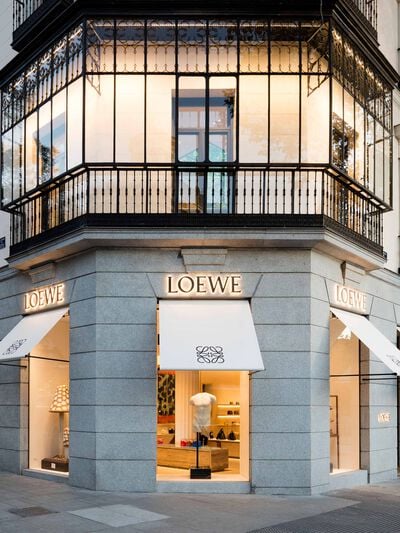
This principle has also informed how Area CG navigates technological change. The agency embraces innovation—it maintained an office in the metaverse and pioneered augmented reality press days during the pandemic—but does so with caution. Rius emphasizes using tools like artificial intelligence under a strict internal code of ethics, ensuring technology serves creativity rather than supplanting human thought and the invaluable capacity to make mistakes. This balanced approach reflects a commitment to the human element at the core of luxury.
Navigating Crises and Strategic Expansion
The agency's thirty-year history has been punctuated by global upheavals, including the September 11 attacks, the 2008 financial crisis, and the COVID-19 pandemic. Survival, according to Rius, has hinged on adaptability, flexibility, and strategic foresight. A key decision was geographic diversification. Recognizing that most clients were European or North American, Rius identified Latin America as a growth avenue. In 2014, after extensive market exploration, Area CG established a subsidiary in Mexico City, which has now operated for over a decade.
This move proved prescient. The dynamic Mexican market, which Rius says "keeps you humble," provided crucial stability during the pandemic's worst phases. A smaller office in Portugal further facilitates operations across Iberia and Latin America. This expansion underscores a strategic motto: "think small" to "create on a grand scale." By maintaining lean, efficient structures and a boutique spirit, the agency competes effectively in a global marketplace while preserving its core identity.
The Future of Fashion and Luxury Communication
Looking ahead, Fernando Rius envisions a sector at a crossroads. He believes the future of fashion lies in restoring primacy to creative talent, moving away from homogenized mass markets. "Fashion has to go back to dressing 'immense minorities,'" he suggests, predicting a coming catharsis where major groups may divest brands they cannot manage creatively. The power, he argues, must return to the creators—the individuals who take daily risks with wild ideas.

For Area CG, the next decades are about steady growth, seeking synergies, and unwavering commitment to its humanist project. Rius hopes the agency will outlive him, continuing as a place where technology serves creativity, not the reverse. The goal remains to foster a family environment within a small structure, proving that in the world of luxury communication, scale is less important than depth of understanding and quality of connection.
As Area Comunicación Global celebrates its 30th anniversary, its story is more than a business case study; it's a testament to the enduring power of a philosophy that values culture, history, and human creativity above all. In a sector often dazzled by the new, Rius and his agency remind us that the most profound luxury is the time and thought invested—in products, in relationships, and in building something meant to last.