Lossless Audio Explained: What It Is, Why It Matters, and How to Access It
Lossless audio represents the highest quality digital music format, preserving all the original information from a recording. Unlike compressed 'lossy' files, lossless formats like FLAC maintain the full audio fidelity intended by the artist. This guide explains the technical aspects of lossless audio, how it compares to regular streaming quality, and the practical steps needed to experience it properly. Whether you're considering upgrading your streaming service or investing in new equipment, understanding lossless audio is essential for anyone serious about music quality.
For music enthusiasts, the difference between simply "putting some music on" and truly "listening to music" is profound. The former serves as background noise while you complete tasks, while the latter is an immersive experience that can transport you emotionally. This deeper listening experience benefits immensely from audio quality that matches the artist's original vision. In the digital realm, this pursuit of purity leads directly to lossless audio. With major streaming services like Spotify now offering it, understanding what lossless audio is, whether it makes a tangible difference, and how to access it has never been more relevant.

What Is Lossless Audio?
At its core, lossless audio is digital audio that retains 100% of the information from the original studio recording. This doesn't mean the file is uncompressed; both lossless and common "lossy" files (like MP3 or AAC) undergo compression to reduce file size for storage and streaming. The critical difference lies in the compression method. Lossless compression uses algorithms that allow the original data to be perfectly reconstructed upon playback, while lossy compression permanently discards audio data deemed less critical to human hearing to achieve smaller file sizes.
The quality of a digital audio file is defined by two key specifications: sample rate and bit depth. The sample rate, measured in kilohertz (kHz), is the number of times per second the original analog sound wave is measured (sampled) during conversion to digital. A higher rate captures more detail. The bit depth determines the accuracy of each sample, affecting the dynamic range—the difference between the quietest and loudest sounds. The industry standard for lossless audio is the Compact Disc (CD) quality benchmark of 16-bit depth and a 44.1 kHz sample rate. Formats like FLAC (Free Lossless Audio Codec) or ALAC (Apple Lossless Audio Codec) store audio at or above this resolution without data loss.
Does Lossless Audio Sound Better?
The short answer is yes, but with an important caveat: the improvement is only audible if you have equipment capable of revealing the extra detail. When played through a capable system, lossless audio provides a more detailed, dynamic, and rhythmically convincing listening experience compared to its lossy counterpart. It delivers the audio exactly as the mixing and mastering engineers intended, without the artifacts and reduced soundstage that can occur with heavy compression. For critical listening, especially with high-quality headphones or speakers, the difference can be significant, offering greater clarity in complex musical passages and more natural instrument tones.
How to Listen to Lossless Audio
Accessing lossless audio is easier than ever, with several viable paths depending on your preferences for convenience, sound quality, and ownership.
Physical Media and Downloads
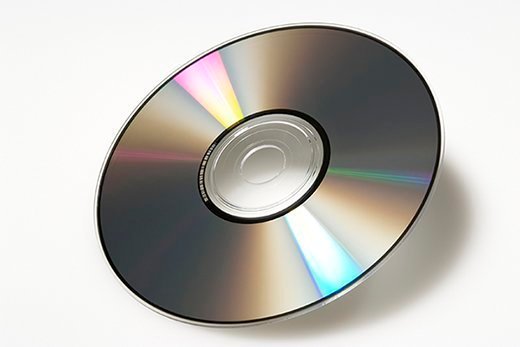
For those who prefer ownership, Compact Discs are experiencing a resurgence. They provide true lossless quality at 16-bit/44.1kHz and are often affordable. Alternatively, dedicated music download sites sell lossless audio files (like FLAC), which you can store on a computer, network-attached storage (NAS) device, or a Digital Audio Player (DAP) for portable, high-fidelity listening.
Music Streaming Services
Streaming is the most convenient route to a vast lossless library. Several top-tier services include lossless streaming in their subscriptions. Notable providers include Tidal (with its HiFi tier), Qobuz, Apple Music, Amazon Music Unlimited, and Deezer. Spotify has also recently joined this group, offering a lossless tier. These services stream at CD quality or higher (often called Hi-Res Audio) directly to compatible devices.
The Equipment You Need
Experiencing lossless audio requires every component in your audio chain to support it. If you're using a CD player or a DAP with stored files, the device itself handles the digital-to-analog conversion (DAC). You then need only capable headphones or speakers.
For streaming at home, the setup can be more involved. If you're using a phone or computer as the source, you'll likely need an external DAC to convert the high-quality digital signal before it reaches your amplifier and speakers. Simpler solutions include network streamers or all-in-one devices like the Wiim Amp Pro, which connect to your Wi-Fi network and stream lossless audio directly from service apps, bypassing the limitations of your phone's hardware.
The Wireless Challenge: Bluetooth and Wi-Fi
Wireless listening presents specific hurdles for lossless audio. Standard Bluetooth codecs (like SBC or AAC) do not have sufficient bandwidth to transmit a full lossless signal without downsampling it to a lossy format first, negating the quality benefit.
Newer codecs like Qualcomm's aptX Lossless aim to solve this, but they require both your source device (phone) and your headphones to support the same codec. Currently, iPhones do not support aptX, making true wireless lossless from an iPhone difficult. For iPhone users, a wired USB-C connection to headphones or a portable DAC is the most reliable mobile option.
Wi-Fi is generally a better wireless protocol for lossless. Many smart speakers and streamers have music service apps (like Spotify Connect or Tidal Connect) built-in, allowing them to pull lossless audio directly from the internet over Wi-Fi. However, note that Apple's AirPlay 2 currently downsamples lossless streams to 256 kbps AAC, so it is not a lossless pathway.
Getting Started with Lossless Audio
Upgrading to lossless audio is a rewarding step for any music lover. Start by choosing a streaming service that offers a lossless tier within your budget. Next, audit your playback equipment. For the best experience, consider investing in a quality pair of wired headphones, a portable DAC for your phone, or a Wi-Fi-based streaming system for your home. By ensuring your entire audio chain is lossless-capable, you'll unlock the full detail and emotion of your favorite music, moving beyond background sound into the realm of true audio engagement.