
 Read on Global News
Bondi Beach Massacre: Alleged Gunman Charged with 59 Offenses, Including 15 Counts of Murder
Naveed Akram, the 24-year-old alleged shooter in the Bondi Beach massacre, has been formally charged with 59 offenses, including 15 counts of murder and one count of committing a terrorist act. The attack, which targeted a Jewish Hanukkah celebration, has left 15 dead and over 20 injured, prompting a national reckoning on antisemitism and gun control in Australia. This article details the charges, the ongoing investigation into the Islamic State-inspired attack, the community's response, and the political pledges for reform in the wake of the tragedy.
The Bondi Beach community and the nation of Australia are grappling with the aftermath of a horrific terrorist attack that unfolded during a Hanukkah celebration. The alleged perpetrator, 24-year-old Naveed Akram, has now been formally charged with a staggering 59 offenses as he recovers in a Sydney hospital. This incident, which resulted in 15 fatalities and left more than 20 others wounded, represents one of the deadliest antisemitic attacks in recent Australian history and has ignited urgent national conversations about security, hate crimes, and firearm legislation.
Formal Charges and Legal Proceedings
On Wednesday, December 17, 2025, New South Wales police formally charged Naveed Akram while he remained under guard in a hospital, having recently awoken from a coma. The charges are extensive and reflect the severity of the attack. According to reports from The Associated Press via Global News, the 59 charges include 15 individual counts of murder—one for each victim—and a single count of committing a terrorist act. Additionally, Akram faces 40 counts of causing harm with intent to murder, related to those injured in the shooting, and a charge of placing an explosive near a building with intent to cause harm.
Akram's father, 50-year-old Sajid Akram, who was also involved in the attack, died at the scene after being shot by police. The charges were presented during a video court appearance from Akram's hospital bed. His lawyer, from Legal Aid NSW, did not enter pleas or request bail. Akram is expected to remain under police guard until he is medically cleared to be transferred to a prison facility.
The Attack and Its Antisemitic Nature
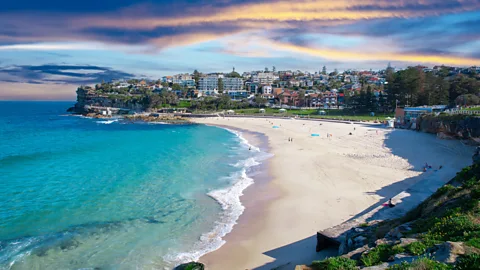
The massacre occurred on a Sunday evening at Bondi Beach, where members of the local Jewish community had gathered for the annual 'Chanukah by the Sea' event. The gunmen specifically targeted the celebration. Authorities have confirmed that all 15 victims identified so far were Jewish, ranging in age from a 10-year-old girl to an 87-year-old Holocaust survivor. The attack has been unequivocally labeled an antisemitic terrorist act.
Investigators revealed that the suspects' car, found at the crime scene, contained improvised explosive devices (IEDs), indicating a planned and potentially more devastating attack was thwarted. The discovery has raised significant concerns about the perpetrators' capabilities and intentions.
Investigation Points to Islamic State Inspiration
Australian federal authorities have stated the shooting was "a terrorist attack inspired by Islamic State" (IS). While the Islamic State group's territorial control has been significantly reduced since 2019, its ideology continues to inspire independent attacks globally. Australian Federal Police Commissioner Krissy Barrett confirmed this suspected link during a press briefing.
Authorities are also probing a trip the father and son suspects made to the Philippines in November 2025. The southern Philippines has historically been a region where groups like Abu Sayyaf, which once expressed support for IS, have operated. However, Philippine officials have stated there is no recent evidence of foreign militants in the area, making the purpose of the trip a key line of inquiry.
Community Mourning and the First Funeral
The close-knit Jewish community in Sydney has begun the painful process of burying their dead. The first funeral was held for Eli Schlanger, 41, the assistant rabbi at Chabad-Lubavitch of Bondi who organized the targeted Hanukkah event. Schlanger, a father of five, was also a chaplain in New South Wales prisons and hospitals. His father-in-law, Rabbi Yehoram Ulman, delivered a heartfelt eulogy, expressing regret for not telling Schlanger more often how loved and appreciated he was.
Mourner Dmitry Chlafma described Schlanger as "warm, happy, generous, one of a kind." The funeral was held under a heavy police presence, a somber reminder of the ongoing threat and trauma. Rabbi Ulman vowed that the Hanukkah celebration would return to Bondi, stating it was an act of defiance against the attackers' goal of intimidating the Jewish community.
Political Reckoning and Pledges for Reform
The attack has forced a significant political and social reckoning in Australia. Jewish leaders and survivors have criticized the government for not heeding prior warnings about rising antisemitic violence. In response, Prime Minister Anthony Albanese pledged to take all necessary government action to stamp out antisemitism.

A major focus has been on gun control. It was revealed that the older suspect, Sajid Akram, had legally amassed six firearms. Prime Minister Albanese and state leaders have consequently pledged to tighten Australia's already strict gun laws, proposing the most significant reforms since the 1996 Port Arthur massacre. Proposed measures include restricting gun ownership to Australian citizens and limiting the number of firearms an individual can possess.
National Grief and Community Response
In the days following the attack, Australians have united in grief and solidarity. Hundreds of dawn swimmers formed a circle on Bondi Beach for a minute of silence before entering the sea together. Hours-long lines were reported at blood donation centers across Sydney as people sought to contribute in a tangible way. Parts of the beach remained cordoned off, with abandoned shoes and towels still scattered on the sand, serving as haunting reminders of the panic that ensued.
The attack has underscored a disturbing rise in antisemitic incidents in Australian cities like Sydney and Melbourne, where most of the country's Jewish population resides. The national response now centers on addressing this hatred while honoring the victims through resilience and reform.


