The Ultimate Guide to Portable Power Stations: Keeping Your Lights On
Portable power stations have become essential for modern life, offering a clean, quiet alternative to gas generators. Whether you're preparing for a power outage, planning an off-grid adventure, or simply need reliable power for camping, these powerful batteries can keep your essential devices running. This guide explores key considerations like capacity, portability, and battery types, drawing on expert testing to help you choose the right unit for your needs. We'll cover the fundamental questions you need to ask before buying and highlight the versatile applications of these indispensable power sources.
In an era where our comfort, communication, and safety are increasingly tied to electronic devices, reliable power is no longer a luxury—it's a necessity. Portable power stations have surged in popularity as a versatile solution, providing a silent, fume-free alternative to traditional gas generators. Whether you're safeguarding your home against an unexpected blackout, powering a weekend camping trip, or living a partially off-grid lifestyle, these substantial batteries offer a bridge to modern convenience. Understanding their capabilities and limitations is the first step to finding the perfect power partner for your specific situation.
Key Considerations Before You Buy
Selecting the right portable power station is not a one-size-fits-all decision. Your choice should be guided by how you intend to use it, balancing factors like power output, capacity, and true portability. Manufacturers provide specifications, but interpreting them correctly is crucial for matching a unit to your real-world needs.
Capacity and Power Output
The two most critical specifications are capacity (measured in watt-hours, Wh) and maximum continuous output (measured in watts, W). Capacity tells you how much total energy is stored—think of it as the size of your fuel tank. Output tells you how much power can be drawn at any one moment—the size of the fuel line. You need enough capacity to run your devices for the desired duration and enough output to handle the startup surge of appliances like refrigerators or power tools. As noted in WIRED's testing, some units feature surge modes (like EcoFlow's "X-Boost" or Zendure's "AmpUp") that allow for brief, higher draws, which is essential for motors.
The Reality of Portability
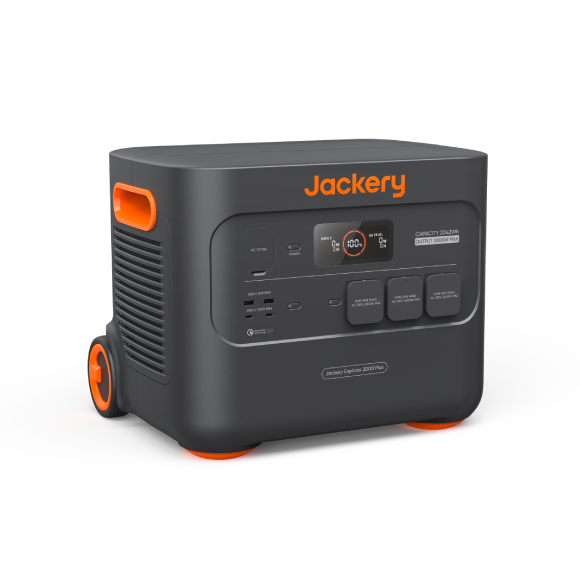
The term "portable" is relative. While a small 300-watt-hour unit might be truly carry-anywhere, larger stations with capacities over 2,000 watt-hours often weigh 50 pounds or more. These typically come with wheels and telescoping handles, making them "portable" in the same way airport luggage is—manageable on smooth surfaces but challenging on rough terrain. If your goal involves carrying the unit any significant distance on foot, you must prioritize weight and size over maximum capacity.

Essential Features and Functions
Beyond raw power, the utility of a portable power station is defined by its ports, charging options, and additional features. These elements determine how easily you can connect your gear and keep the station itself powered up, especially when away from a standard wall outlet.
Port Selection and Charging Methods
A good mix of ports is vital. Look for multiple AC outlets, high-wattage USB-C ports (for fast-charging modern laptops and phones), USB-A ports, and a 12V car outlet. Equally important is how you recharge the station itself. All units charge from a wall outlet, but many also support solar panel input via dedicated ports (like MC4 or XT60 connectors) and charging from a vehicle's 12V socket. Charging times vary dramatically; some high-capacity stations can refill in 90 minutes via AC, while others may take 13 hours or more.
Battery Technology and Lifespan
The internal battery chemistry impacts safety, longevity, and performance. The two main types are Lithium Iron Phosphate (LiFePO4 or LFP) and Lithium Nickel Manganese Cobalt Oxide (Li-NMC). LiFePO4 batteries, used in models like the Jackery Explorer 2000 Plus and Anker Solix C1000, are generally safer, have a longer lifespan (often rated for 3,000+ charge cycles), and perform better in varied temperatures. Li-NMC batteries offer higher energy density (more capacity in a smaller space) but degrade faster and are more sensitive to heat. Some newer models, like the Bluetti Pioneer Na, are exploring sodium-ion technology for better cold-weather performance.
Common Applications and Use Cases
Portable power stations are remarkably adaptable, serving roles from emergency backup to mobile power hub. Identifying your primary use case will streamline the selection process, ensuring you don't pay for capacity you won't use or end up with a unit that can't handle your demands.
For home backup during outages, prioritize high capacity (1,500 Wh or more) and the ability to power essential appliances like a refrigerator, modem, router, and medical devices. Look for Uninterruptible Power Supply (UPS) or Emergency Power Supply (EPS) functionality, which allows the station to switch to battery power within milliseconds when the grid fails, preventing data loss or device shutdown. For camping and outdoor recreation, a balance of moderate capacity (500-1,500 Wh), true carry-ability, and a variety of USB ports for phones, lights, and cameras is key. Some, like the BioLite BaseCharge 1500, even include a wireless charging pad.

Professional or hobbyist use, such as for drone pilots, photographers, or tradespeople, often requires specific features. The DJI Power 2000, for example, includes proprietary SDC ports for fast-charging drone batteries and high-wattage USB-C PD ports. For those working in cold environments, specialized units with sodium-ion batteries, like the Bluetti Pioneer Na, maintain charging and output capabilities in sub-freezing temperatures where lithium batteries struggle.
Making Your Decision
Armed with an understanding of specifications and use cases, your final decision should involve a careful review of warranty, build quality, and real-world performance notes from trusted reviewers. Warranties typically range from 2 to 5 years, often extendable upon registration. Pay attention to fan noise reports, as some models can be loud under heavy load, which might be disruptive in quiet settings like a campsite or bedroom.
Ultimately, the best portable power station is the one that reliably meets your specific power requirements while fitting within your budget and portability constraints. By calculating the watt-hours you need for your devices and ensuring the unit's output can handle your most power-hungry appliance, you can invest in a power solution that provides peace of mind and modern convenience, wherever you are.