Read on nature.com
Understanding Scientific Corrections: A Look at the SLC43A2 Cancer Research Update
Scientific progress relies on accuracy and transparency. This article examines a recent author correction published in *Nature* for a significant 2020 study on cancer metabolism and immunology. The correction addresses a figure duplication in research exploring how the SLC43A2 protein in cancer cells alters T cell function by disrupting methionine metabolism and histone methylation. We explain the importance of such corrections in maintaining the integrity of the scientific record and what this specific research tells us about the complex interplay between tumors and the immune system.
The publication of scientific research is not the final step in the process; it is part of an ongoing dialogue of verification and refinement. A recent author correction in the prestigious journal Nature highlights this essential aspect of scientific integrity. The correction pertains to a pivotal 2020 study titled "Cancer SLC43A2 alters T cell methionine metabolism and histone methylation," which investigated a novel mechanism by which tumors can suppress the immune system. This article will explore the nature of this correction, summarize the groundbreaking research it concerns, and discuss why such updates are a sign of a healthy, rigorous scientific ecosystem.

The Nature of the Author Correction
According to the official notice published online on December 12, 2025, the authors identified an error in the original 2020 article. The correction states that during figure preparation, a representative flow cytometry dot plot for one experimental condition was mistakenly duplicated as the image for another condition in Extended Data Figure 1j. Specifically, the plot for the condition labeled "Sup+Ser" was a duplicate of the plot for "A375 sup." The authors and journal have since updated both the HTML and PDF versions of the article with the correct figure. This type of correction is common and addresses an issue that does not alter the study's central conclusions but ensures the complete accuracy of its presented data. You can review the full correction notice on the Nature website.
Recapping the Original Research: SLC43A2 and Immune Evasion
The original study, led by researchers from the University of Michigan and collaborating institutions, unveiled a sophisticated metabolic strategy used by cancer cells to disable anti-tumor immune responses. The research focused on a protein called SLC43A2, a methionine transporter that is often upregulated in various cancer cells. The team discovered that cancer cells exploit SLC43A2 to aggressively consume methionine, an essential amino acid, from the tumor microenvironment.
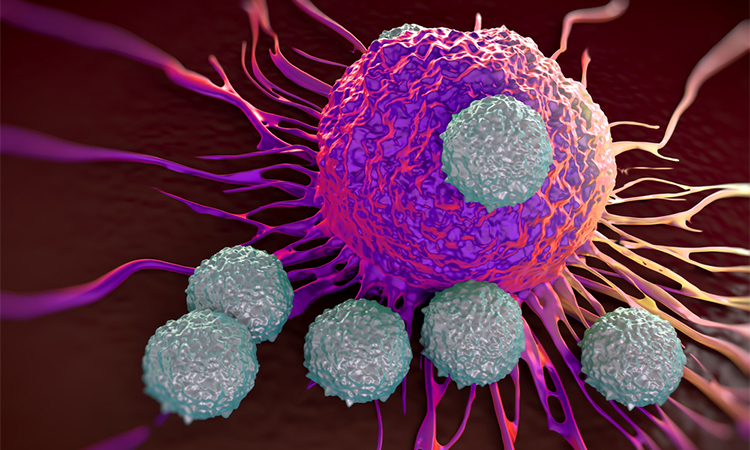
This methionine starvation has a profound effect on neighboring T cells, which are critical soldiers of the immune system. Deprived of methionine, the T cells cannot properly perform a biochemical process called histone methylation. Histone methylation is a key epigenetic mechanism that controls gene expression. When this process is disrupted in T cells, it reprograms their function, effectively impairing their ability to attack and kill cancer cells. This research provided a crucial link between tumor metabolism, epigenetic regulation in immune cells, and cancer's ability to evade destruction.
The Importance of Corrections in Scientific Publishing
Author corrections, like the one issued for this study, are a fundamental component of responsible science. They demonstrate the commitment of researchers and journals to transparency and accuracy. Errors can occur at any stage, from data analysis to manuscript preparation. The proactive identification and public correction of these errors, especially before they are propagated or misinterpreted by other scientists, uphold the reliability of the scientific literature. It allows the community to trust the published record and build upon it with confidence. This process is far more valuable than the pretense of infallibility.
Conclusion: Integrity in the Pursuit of Knowledge
The correction to the SLC43A2 study is a small but important event in the lifecycle of a significant piece of cancer research. It does not diminish the impact of the original discovery, which continues to offer valuable insights into cancer immunology and potential therapeutic targets. Instead, it reinforces the meticulous nature of the scientific process. For patients, advocates, and professionals following cancer research, such transparency should be reassuring. It signifies a field dedicated to self-correction and truth, ensuring that the path toward new treatments is built on a foundation of verified knowledge. The ongoing work from teams like the one at the University of Michigan Rogel Cancer Center remains at the forefront of understanding and ultimately defeating cancer.