College Football Playoff 2025: Paths to Victory and Potential Pitfalls for All 12 Teams
The 2025 College Football Playoff bracket is set, featuring a compelling mix of traditional powers and breakthrough programs. From top-seeded Indiana's historic run to defending champion Ohio State's quest to repeat, each team enters the postseason with distinct strengths and vulnerabilities. This analysis breaks down why each of the 12 playoff contenders could win the national title—and what factors might prevent them from reaching the championship game. With first-round matchups beginning December 19th, understanding these team dynamics provides crucial insight into how the expanded playoff field could unfold.
The 2025 College Football Playoff bracket represents a fascinating crossroads in college football history. For the second year of the expanded 12-team format, the field blends established bluebloods with programs experiencing historic breakthroughs. Defending champion Ohio State seeks to repeat, while top-seeded Indiana aims to complete a perfect season and claim its first national title. This analysis, drawing from ESPN's comprehensive team breakdowns, examines the championship pathways and potential obstacles for all 12 playoff participants as they prepare for the postseason.

The Top Seeds: Championship Favorites
1. Indiana Hoosiers (13-0)
Indiana enters the playoff as the nation's only undefeated team and the No. 1 overall seed, completing a remarkable turnaround season. The Hoosiers possess no obvious weaknesses, ranking second in defensive efficiency while featuring Heisman favorite quarterback Fernando Mendoza. Their balanced attack includes the fourth-best rushing success rate nationally and elite receiving weapons in Elijah Sarratt and Omar Cooper Jr. Indiana has aced every test this season, including impressive road wins at Iowa and Oregon.
The primary concern for Indiana involves occasional big-play vulnerabilities. While allowing just 4.6 yards per play overall, the Hoosiers have surrendered significant chunk plays to several opponents, including 75 and 78-yard touchdown runs against Old Dominion. With multiple explosive offenses in the playoff field, these defensive lapses could prove costly in high-stakes matchups.
2. Ohio State Buckeyes (12-1)
The defending national champions enter as statistical favorites despite their Big Ten championship game loss to Indiana. Ohio State boasts arguably the nation's best collection of talent, including receiver Jeremiah Smith and safety Caleb Downs. Quarterback Julian Sayin leads all playoff QBs in Total QBR, and the Buckeyes' defense ranks first in defensive efficiency metrics.
Ohio State's championship hopes may hinge on offensive aggression in critical moments. Against Indiana, coach Ryan Day opted for a conservative field goal attempt on fourth-and-1 from the 9-yard line rather than trusting his offense to convert. This cautious approach with a first-year starting quarterback could limit the Buckeyes' ceiling against elite competition.

3. Georgia Bulldogs (12-1)
Georgia enters the playoff playing its best football of the season, particularly on defense. The Bulldogs have allowed just 7.3 points per game over their last four contests, culminating in a dominant 28-7 SEC championship victory over Alabama. This defensive resurgence mirrors Georgia's 2022 national championship form, with the unit ranking second nationally in red zone touchdown percentage allowed during this stretch.
The Bulldogs' offensive limitations could prove problematic against elite competition. Georgia ranks 130th in yards per successful play, with quarterback Gunner Stockton averaging just 10.7 yards per completion. This lack of explosive capability makes sustained scoring drives difficult against top defenses.
4. Texas Tech Red Raiders (12-1)
Texas Tech's defensive transformation under first-year coordinator Shiel Wood has been extraordinary. The Red Raiders rank third nationally in success rate allowed and first in yards allowed per carry, featuring the nation's best linebacker in Jacob Rodriguez. Since their only loss to Arizona State, Texas Tech has averaged 40.8 points per game offensively.
Red zone inefficiency presents Texas Tech's biggest obstacle. The Red Raiders convert just 56% of red zone trips into touchdowns, ranking 101st nationally. Against three top-20 defenses this season, they managed touchdowns on only 36% of red zone opportunities, frequently settling for field goals instead of putting games away.
First-Round Matchups and Contenders
5. Oregon Ducks (11-1) vs. 12. James Madison Dukes (12-1)
Oregon combines explosive offense with disruptive defense, leading the nation in both creating and preventing 20-plus yard plays. The Ducks rank fifth in both offensive and defensive efficiency, demonstrating remarkable flexibility in winning both high-scoring affairs and defensive battles. Their balanced approach makes them dangerous against any style of opponent.
James Madison continues its impressive FBS transition under coach Bob Chesney, boasting the nation's top defense in success rate allowed. The Dukes' aggressive defensive approach generates constant pressure and turnovers, while their offense can produce game-changing plays through running back Wayne Knight and quarterback Alonza Barnett III.
6. Ole Miss Rebels (11-1) vs. 11. Tulane Green Wave (11-2)
Ole Miss enters its first playoff appearance amid coaching transition, with Lane Kiffin departing for LSU but most staff remaining. The Rebels feature the nation's sixth-best passing attack behind quarterback Trinidad Chambliss, who ranks fifth in Total QBR. Their ability to control games through efficient passing makes them a threat against any defense.
Tulane represents the Group of 5's standard of excellence under coach Jon Sumrall, winning 11 games for the third time in four seasons. The Green Wave defense has surged since November, ranking sixth in turnover rate and 18th in tackles for loss per game during this period. Their opportunistic approach could trouble more talented opponents.

7. Texas A&M Aggies (11-1) vs. 10. Miami Hurricanes (10-2)
Texas A&M leverages defensive aggression into offensive opportunities, ranking first nationally in sack rate and third-down conversion defense. The Aggies' diverse passing attack stretches defenses horizontally and vertically, creating running lanes for Rueben Owens II. When functioning optimally, they can score quickly and frequently.
Miami has transformed into a complete team under Mario Cristobal, ranking in the top 10 nationally in both offensive and defensive success rate. The Hurricanes' defensive improvement has been particularly dramatic, with transfer additions and coordinator Corey Hetherman elevating the unit from 52nd to elite status.
8. Oklahoma Sooners (10-2) vs. 9. Alabama Crimson Tide (10-3)
Oklahoma's defense combines Texas A&M's aggression with better big-play prevention, ranking second in success rate allowed and third in both stuff rate and sack rate. The Sooners have held eight opponents to 17 points or fewer, demonstrating championship-caliber defensive capability.
Alabama enters the playoff battle-tested but potentially fatigued, having underachieved against projections in four of their last six games. The Crimson Tide defense has improved throughout the season, allowing progressively fewer yards per play against top competition, but offensive struggles have limited their ceiling.
Championship Implications and Outlook
The 2025 College Football Playoff field presents unprecedented diversity in program pedigree and playing styles. Traditional powers like Ohio State, Georgia, and Alabama must navigate challenges from breakthrough programs experiencing historic seasons. Indiana's quest for perfection, Texas Tech's defensive dominance, and the inclusion of Group of 5 representatives Tulane and James Madison create compelling storylines throughout the bracket.
Success in the expanded format requires both consistency and adaptability. Teams must demonstrate the depth to win multiple high-stakes games while adjusting to varied opponent strengths. The first-round matchups beginning December 19th will immediately test these capabilities, with several contests featuring contrasting styles that could produce unexpected outcomes.
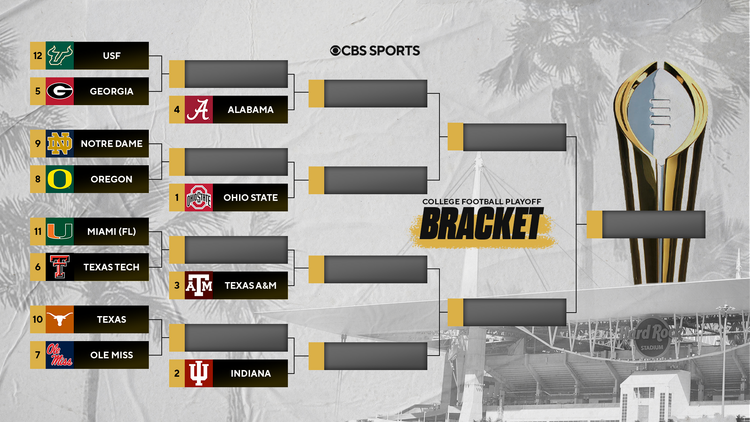
Ultimately, the national champion will likely emerge from the group that best balances offensive explosiveness with defensive reliability while demonstrating clutch performance in critical moments. Whether that describes a traditional power or a breakthrough program remains the central question of this playoff season, making the 2025 championship chase particularly compelling for college football fans nationwide.