Read on nature.com
Exploring the Frontiers: A Review of Five Notable Science Books
The world of science literature continues to expand, offering profound insights into everything from the cosmic to the mundane. A recent review in Nature highlights five compelling new books that explore diverse scientific frontiers. From the hidden stories of sound in 'The Sound Atlas' to the enigmatic world of bats in 'The Genius Bat,' these works bridge the gap between specialized research and public understanding. Other selections examine the modern phenomenon of charlatans in the digital age and the vital role of canines in laboratory research. This article provides a concise overview of these significant contributions, showcasing how contemporary science writing makes complex ideas accessible and engaging for a general audience.
The landscape of popular science writing is a vibrant testament to humanity's enduring curiosity. Each year, new titles emerge that translate complex research into narratives that captivate both experts and the general public. A recent review in Nature spotlights five such books, each offering a unique window into different scientific realms—from the acoustic echoes of the universe's birth to the sophisticated social lives of laboratory animals. This article provides a brief exploration of these noteworthy publications, demonstrating the power of science communication to illuminate the wonders and challenges of our world.
The Sound Atlas: Listening to the Universe
In The Sound Atlas, authors Michaela Vieser and Isaac Yuen embark on an ambitious project to document the stories behind sounds that are often overlooked. The book opens with a fascinating historical anecdote: the discovery of the cosmic microwave background radiation. Initially mistaken by astronomers in 1964 for interference caused by pigeons nesting in their antenna, this persistent hiss was ultimately identified as the remnant echo of the Big Bang. The authors' cosmopolitan collection doesn't stop at the cosmic; it also captures terrestrial wonders, such as the eerie crackling of icebergs and the mysterious music produced by tapping the ancient stone pillars of a medieval Hindu temple in India. This work redefines our auditory environment, encouraging a deeper appreciation for the sonic tapestry of our planet and cosmos.
The Genius Bat: Unraveling Mammalian Flight
Neurobiologist Yossi Yovel makes a passionate case for the extraordinary nature of bats in his book, The Genius Bat. Representing over 20% of all mammalian species, bats are unparalleled in their diversity and unique as the only mammals capable of true sustained flight. Yovel explores their global habitats, from solitary crevice-dwellers to colonies numbering in the millions, and their varied diets, which range from insects and fruit to, in a few notorious cases, blood. Despite this detailed biological portrait, Yovel candidly acknowledges that science still grapples with the philosophical question famously posed by Thomas Nagel: "What is it like to be a bat?" The book celebrates their biological genius while humbly admitting the limits of our understanding of their subjective experience.

Charlatans: A Digital-Age Epidemic
In Charlatans, journalists Moisés Naím and Quico Toro deliver a timely investigation into a perennial human problem supercharged by modern technology. The term itself has roots in the Italian ciarlatani (loudmouths), referring to seventeenth-century hawkers of dubious miracle cures. Naím and Toro argue that while charlatans are not new, digital tools—the internet, social media, and artificial intelligence—have exponentially increased their reach, precision, and impact. The book presents a compelling and disturbing analysis of how these technologies enable deception on a massive scale. It further critiques the role of major tech platforms, suggesting that for them, "charlatans aren't enemies; they are lucrative customers," highlighting a significant conflict between profit and public trust in the information ecosystem.
Lab Dog: The Unsung Heroes of Research
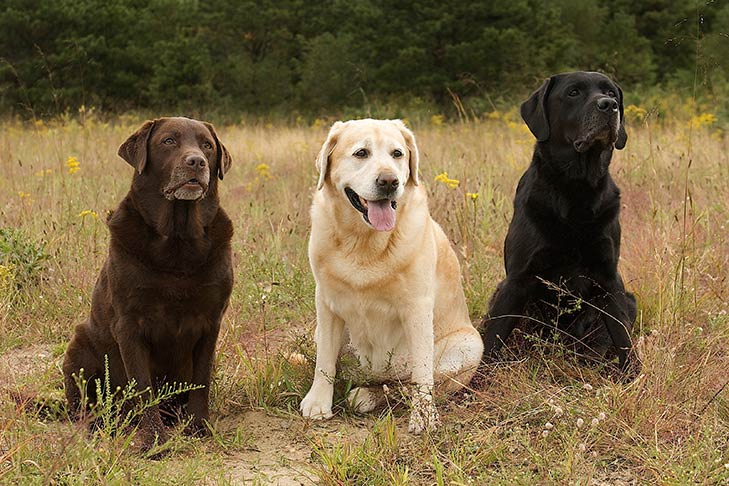
Melanie D. G. Kaplan's Lab Dog shifts focus to the vital, yet often unseen, contributors to scientific progress: canine research subjects. This book delves into the critical role dogs have played in medical and psychological breakthroughs, from the development of insulin to insights into behavior and cognition. Kaplan likely explores the ethical dimensions of animal research, the stringent welfare standards in modern laboratories, and the deep, complex bonds that form between researchers and their animal partners. By giving a voice to these four-legged participants, the book aims to foster a more nuanced public understanding of the essential, and ethically managed, role animals continue to play in advancing human and veterinary medicine.
The Value of Science Communication
Collectively, these five books underscore the immense value of skilled science communication. They take specialized knowledge from fields as disparate as cosmology, zoology, sociology, and experimental ethics and render it accessible and engaging. Works like these are crucial for an informed public, bridging the gap between the laboratory and the living room. They not only disseminate facts but also cultivate scientific literacy and critical thinking, empowering readers to navigate a world increasingly shaped by scientific and technological developments. In an age of misinformation, the role of the credible science writer is more important than ever.
In conclusion, the selection reviewed in Nature represents a compelling cross-section of contemporary science literature. From the cosmic to the clinical, these authors invite readers on journeys of discovery, challenging perceptions and deepening understanding. Whether exploring the sound of creation, the genius of bats, the mechanics of deception, or the contribution of lab animals, these books demonstrate that science, at its best, is a profoundly human endeavor—a continuous quest for knowledge about the world and our place within it. They serve as an invitation to look, listen, and learn with renewed wonder.