Read on foxsports.com
2026 World Cup Draw: Key Players to Watch in All 12 Groups
The 2026 FIFA World Cup draw has set the stage for next summer's tournament across the United States, Canada, and Mexico. With 48 teams competing, identifying the standout talent in each group is crucial for understanding the tournament landscape. This guide highlights the two most influential players from each of the 12 groups, from established global superstars to emerging talents who will define their nations' campaigns. Discover the key figures who will shape the narrative of the expanded World Cup format.
The 2026 FIFA World Cup draw, conducted in Washington on Friday, has mapped the path to glory for 48 nations competing across North America next summer. With the tournament field expanded, each group presents a unique blend of footballing styles and star power. Understanding the key players in each group is essential for anticipating the drama, upsets, and moments of brilliance that will define the competition. This analysis highlights the two most pivotal players from all 12 groups, offering insight into the individuals who will carry their nations' hopes on the world's biggest stage.

Group A: Mexico & South Korea
Group A features a compelling clash between CONCACAF powerhouse Mexico and Asian contenders South Korea. For Mexico, the attacking burden will fall on veteran striker Raul Jimenez. With 121 caps and 34 international goals, the 34-year-old talisman is expected to lead a Mexican attack that has shown inconsistency in recent years. His experience and finishing ability will be critical for El Tri's chances of advancing from the group stage.
South Korea's fortunes are inextricably linked to their captain and icon, Son Heung-Min. A legend at Tottenham Hotspur before his move to LAFC, Son brings a wealth of experience with 154 caps and 54 goals for his country. His leadership and goal-scoring prowess from the wing make South Korea a dangerous Pot 2 team capable of challenging for the top spot in Group A.
Group B: Canada & Switzerland
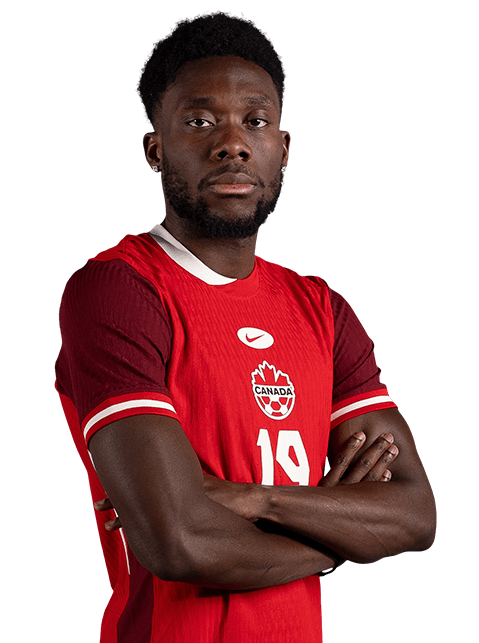
Co-host nation Canada will look to their global superstar, left-back Alphonso Davies. Currently recovering from a torn ACL, Davies' return to fitness for Bayern Munich is eagerly anticipated. When healthy, he is widely regarded as one of the world's best and fastest full-backs, capable of single-handedly changing games with his explosive runs from defense.
Switzerland, known for their collective strength, is anchored by midfield general Granit Xhaka. The Sunderland midfielder brings immense experience with 143 national team caps to what will be his fourth World Cup. His leadership and composure in the center of the park will be vital for organizing the Swiss effort against Canada's dynamic attack.
Group C: Brazil & Morocco
Five-time champions Brazil enter the tournament with Vinicius Junior as their primary attacking threat. The Real Madrid winger, known as "Vini," has established himself as one of the world's elite players at club level. The next step in his illustrious career is to translate that success to the international stage and lead a Brazilian side that, while talented, may not have the depth of star power seen in previous generations.
Morocco, semifinalists in 2022, will rely on the attacking thrust provided by right-back Achraf Hakimi. A key component of Paris Saint-Germain's UEFA Champions League-winning side, Hakimi is considered the premier attacking right-back in world football. His pace and delivery from the flank are central to Morocco's game plan as they look to build on their historic 2022 performance.
Group D: USA & Australia
As co-hosts, the United States Men's National Team carries significant expectation, with captain Christian Pulisic at the heart of their ambitions. "Captain America," now starring for AC Milan, has accumulated 82 caps and 32 goals by age 27. His form and ability to influence big games will be the single biggest factor in determining how deep the USMNT can advance on home soil.
Australia's hopes are bolstered by the midfield presence of Jackson Irvine. With 79 caps, the FC St. Pauli midfielder brings stability and experience. Known for his consistent performances at both club and international level, Irvine's role in controlling the tempo and contributing in both boxes will be crucial for the Socceroos in a challenging group.
Group E: Germany & Ecuador
Germany's creative engine is Jamal Musiala. The English-born Bayern Munich midfielder, though currently sidelined with an injury, is a transformative talent when fit. His dribbling, vision, and ability to unlock defenses make him the focal point of Germany's attack and a player capable of deciding games on his own.
Ecuador's strength is embodied by midfielder Moises Caicedo. The Chelsea stalwart has solidified his reputation as one of the Premier League's top defensive midfielders. His ability to break up play and initiate transitions, combined with a formidable defensive unit featuring Arsenal's Piero Hincapie, makes Ecuador a well-organized and difficult opponent.

Group F: Netherlands & Japan
The Netherlands' defensive solidity is personified by captain Virgil van Dijk. The Liverpool center-back, a Premier League champion, remains one of the world's best defenders. His leadership and organizational skills at the back are paramount for a Dutch side that may rely on a strong defense to progress deep into the tournament.
Japan's attacking spark comes from winger Takefusa Kubo. The Real Sociedad player enjoyed his best season in Europe with double-digit goal contributions. Having represented Japan at the 2022 World Cup and the Olympics, Kubo's creativity and technical skill on the wing are essential for unlocking defenses and fueling Japan's dynamic attack.
Group G: Belgium & Iran
Belgium's "Golden Generation" may have passed, but they still possess the world's best goalkeeper in Thibaut Courtois. The Real Madrid shot-stopper remains at the peak of his powers and will need to be at his very best to compensate for an aging outfield squad. His performances could be the difference between an early exit and a surprising run.
For Iran, striker Mehdi Taremi is the undisputed goal threat. With 56 goals in 103 international appearances, the Olympiacos forward is the focal point of Iran's attack. After regaining form in Greece, his ability to finish chances will be Iran's primary hope for securing results against more fancied opponents.
Group H: Spain & Uruguay
Spain boasts football's next global superstar in 18-year-old winger Yamine Yamal. Already with over 100 appearances for Barcelona and a key role in Spain's UEFA Euro 2024 triumph, Yamal's breathtaking talent and fearlessness make him the centerpiece of a Spanish side considered among the tournament favorites.
Uruguay's modern era is defined by the relentless energy of midfielder Federico Valverde. The Real Madrid dynamo has taken the mantle from legendary strikers Luis Suarez and Edinson Cavani. His box-to-box prowess, incredible engine, and leadership make him the heartbeat of a physically imposing Uruguayan team.
Group I: France & Norway
France's attack is led by the incomparable Kylian Mbappe. The 2018 World Cup winner, who scored a hat-trick in the 2022 final, is in scintillating form for Real Madrid. With over 400 career goals already at age 26, Mbappe is the most feared forward in world football and the primary reason France are perennial contenders.
Norway possesses the world's most lethal pure goalscorer in Erling Haaland. The Manchester City striker has a staggering 55 goals in just 48 international matches. Partnered with Martin Odegaard, Haaland gives Norway a puncher's chance against any team, capable of deciding a match with a single moment of brilliance.

Group J: Argentina & Austria
The great Lionel Messi remains the story for Argentina, though his participation is not yet confirmed. If he plays, the eight-time Ballon d'Or winner and 2022 champion would provide an immeasurable boost. If not, the attacking responsibility shifts to Atletico Madrid's Julian Alvarez, a proven winner at both club and international level.
Austria's defense is marshaled by the experienced David Alaba. Despite limited club action at Real Madrid this season, the defender's 111 caps and leadership are invaluable. He anchors a defensive unit that will need to be resolute against the attacking quality in Group J.
Group K: Portugal & Colombia
Portugal's playmaking maestro is PSG midfielder Vitinha. The architect of their UEFA Champions League triumph, Vitinha dictates the tempo and creativity in midfield. While Cristiano Ronaldo attracts headlines, Vitinha's control of the game is the engine that drives Portugal's tactical approach.
Colombia's hopes are tied to the enduring magic of James Rodriguez. The 2014 World Cup golden boot winner, now 34 and playing in Mexico, remains the creative heartbeat for his national team. His ability to produce moments of technical brilliance from midfield is Colombia's primary source of offensive inspiration.
Group L: England & Croatia
England's attack is spearheaded by captain and record goalscorer Harry Kane. With 78 goals in 112 caps, the Bayern Munich striker is the focal point of a talented English side. His partnership with Jude Bellingham could be one of the most potent in the tournament, making England serious contenders for the title.
Croatia's ageless wonder, Luka Modric, continues to defy time. Now 40 and playing for AC Milan, the former Ballon d'Or winner and midfield genius remains capable of controlling matches with his passing and vision. In a Croatian squad with less star power than in previous cycles, Modric's experience and quality are more vital than ever.
Conclusion
The 2026 World Cup draw has set the table for a tournament of unprecedented scale and intrigue. From established legends like Lionel Messi and Luka Modric to emerging phenoms like Yamine Yamal, the individual brilliance on display will shape the narratives of each group. While team cohesion and tactics are paramount, the moments of magic from these key players will ultimately decide which nations advance and which fall short. As the football world turns its attention to North America, these are the individuals whose performances will captivate audiences and define the legacy of the 2026 FIFA World Cup.