The Dramatic Exit: Lane Kiffin's Controversial Departure from Ole Miss to LSU
The coaching carousel reached unprecedented drama as Lane Kiffin left Ole Miss for SEC rival LSU amid a College Football Playoff run. This article examines the secret meetings, divided loyalties, and bitter fan reactions that defined one of college football's most controversial coaching transitions. From family visits to rival campuses to airport confrontations, we explore how a historic season became overshadowed by coaching speculation and what this move means for both programs moving forward.
The 2025 college football season witnessed one of the most dramatic and controversial coaching transitions in recent memory when Lane Kiffin departed the University of Mississippi for SEC rival LSU. This move, occurring while Ole Miss was positioned for its first College Football Playoff appearance, created a firestorm of controversy that divided fan bases, tested institutional loyalties, and highlighted systemic issues within college football's coaching carousel. The saga unfolded through secret meetings, public confrontations, and ultimately, a bitter departure that left lasting scars on the Oxford community.
The Courtship Begins
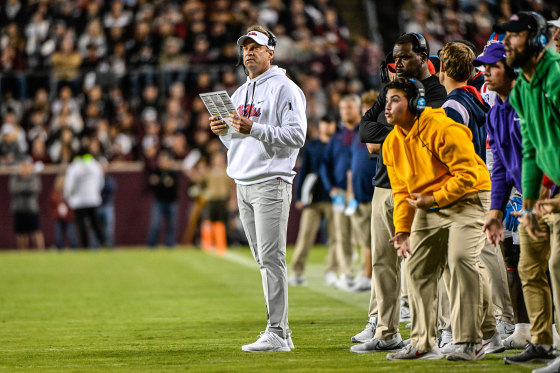
As Ole Miss built toward an 11-1 regular season and potential College Football Playoff berth, rival SEC programs began pursuing Kiffin, who had transformed the Rebels from a mid-tier program to a legitimate national contender. Florida athletic director Scott Stricklin took the bold step of interviewing Kiffin in Oxford in early November, a move that signaled the intensity of the competition for the coveted coach. Meanwhile, LSU entered the picture after firing Brian Kelly on October 26, creating what would become Kiffin's preferred destination despite the rivalry implications.
The situation created divided loyalties within Kiffin's own coaching staff. When polled about their preferences for the 2026 season, the entire defensive staff preferred to remain at Ole Miss, while all but one offensive assistant wanted to leave for either Florida or LSU. This internal division reflected the uncertainty that would come to define the final weeks of Kiffin's tenure at Ole Miss.

Family Ties and Secret Visits
Complicating the situation were Kiffin's family connections to Florida, where his ex-wife Layla's father, John Reaves, had been a star quarterback and assistant coach. These ties made Florida a natural consideration, but LSU's courtship proved more compelling once Verge Ausberry took over as athletic director following Scott Woodward's resignation. Ausberry's approach, influenced by LSU legends Skip Bertman and Nick Saban, focused on understanding what Kiffin needed to succeed rather than detailed football strategy.
The recruitment became public in mid-November when flight trackers revealed LSU had flown a jet to Oxford and back. Layla Kiffin and family members visited both Baton Rouge and Gainesville during this period, a development that many Ole Miss fans viewed as a deliberate provocation. These public visits to rival campuses created what one Ole Miss source described as a "self-inflicted wound" that damaged Kiffin's relationship with the fan base.
The Breaking Point
Tensions reached a critical point in late November when Ole Miss athletic director Keith Carter and chancellor Glenn Boyce pressed Kiffin for a decision. The university offered a contract extension that would have made him one of the highest-paid coaches in college football, with assurances they could match any NIL or revenue-sharing offers from competitors. Kiffin resisted the pressure, arguing that the timing was unfair with the regular season still ongoing.
The situation deteriorated further during the Egg Bowl against Mississippi State, where pre-game drama included stolen player jerseys and post-game confrontations with media. As Kiffin celebrated what would be his final victory at Ole Miss, Mississippi State officials played The Clash's "Should I Stay Or Should I Go" over stadium speakers—a fitting soundtrack for the unfolding drama.

The Final Decision and Departure
On Saturday, November 29, Kiffin met with Carter at the chancellor's home and announced his decision to leave for LSU. What followed was a tense negotiation about whether Kiffin could coach Ole Miss in the College Football Playoff. Kiffin argued for the opportunity, even suggesting guardrails to protect Ole Miss interests, but Carter and Boyce remained firm in their position that a coach leaving for a rival could not continue leading their program.
The final team meeting on Sunday revealed deeper fractures. Contrary to Kiffin's public statements suggesting player support for his continued coaching, team leadership expressed concerns about commitment and weariness with the ongoing drama. Players like Brycen Sanders and Suntarine Perkins publicly disputed Kiffin's characterization of their meeting, indicating a breakdown in trust between coach and team.
The Airport Confrontation
Kiffin's departure from Oxford resembled a diplomatic evacuation more than a coaching transition. Hundreds of Ole Miss fans gathered at University-Oxford Airport to voice their displeasure as Kiffin and his departing assistants boarded planes bound for Baton Rouge. The scene included booing, obscene gestures, and emotional reactions from longtime fans who felt betrayed by the timing and destination of Kiffin's move.
Fans like Taylor Cauthen expressed frustration that Kiffin had "hijacked" the Rebels' historic season, turning it into a personal drama. Former Ole Miss baseball player Joe Ignatius captured the sentiment of many when he said, "It just didn't have to go this way." The airport confrontation symbolized the bitter end to what had been a successful six-year tenure.
Looking Forward
Kiffin's introductory news conference at LSU struck a conciliatory tone toward Ole Miss fans while acknowledging the difficult circumstances. He expressed hope that "time heals a lot of things," but won't have to wait long for his first return to Oxford—LSU is scheduled to open SEC play at Ole Miss next season. Meanwhile, Ole Miss moved quickly to promote defensive coordinator Pete Golding as Kiffin's permanent replacement, seeking stability amid the turmoil.
The saga highlights systemic issues in college football's coaching calendar, where postseason success can be undermined by concurrent coaching searches. As one source close to Kiffin noted, "This is what's wrong with the whole system... if it was the NFL, you couldn't talk to anybody until after the playoffs." The Kiffin transition serves as a case study in how coaching changes, particularly to rivals, can transform celebration into controversy and leave lasting impacts on programs and communities.