Read on FashionNetwork.com
UK Consumers Shift to Investment Fashion as Confidence Grows for 2026
A significant shift in consumer behavior is emerging in the UK fashion market, with 73% of consumers planning to invest in higher quality, long-lasting fashion items in 2026. This trend is supported by growing financial optimism, as 60% of UK consumers now feel optimistic about their financial situation, up from 48% in 2023. The research from Cotton Incorporated reveals that consumers are prioritizing comfort, quality, and durability, with natural fibers like cotton gaining preference among 79% of respondents.
The UK fashion landscape is witnessing a notable transformation as consumer confidence builds momentum heading into 2026. According to recent survey data from Cotton Incorporated, a substantial 73% of UK consumers are planning to shift their purchasing habits toward investment fashion—higher quality, long-lasting items that offer better value over time.

Financial Optimism Driving Change
The shift toward investment fashion coincides with growing financial confidence among British consumers. The survey reveals that 60% of UK consumers now feel 'very or somewhat optimistic' about their financial situation heading into 2026, representing a significant increase from 48% in 2023. This improved financial outlook appears to be empowering consumers to make more considered, long-term purchasing decisions rather than opting for fast fashion alternatives.
Quality Over Quantity
Consumer priorities are clearly shifting toward quality and durability. The research identifies several key factors driving this change in purchasing behavior. Comfort emerges as the primary consideration, cited by 74% of respondents, followed closely by better quality (69%) and increased durability (47%). Additionally, 43% of consumers mentioned sustainability and environmental friendliness as important factors in their purchasing decisions.
Natural Fibers Gain Preference
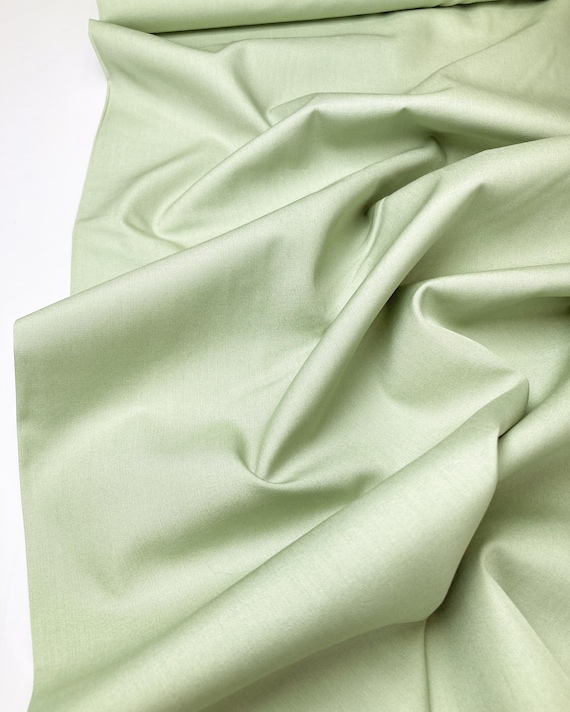
The survey highlights a strong preference for natural materials, with 49% of UK consumers indicating they are willing to pay more for natural fibers such as cotton. This represents a significant like-for-like increase from previous years. The vast majority of respondents (79%) expressed a preference for cotton, cotton blends, and denim in their clothing purchases. Importantly, 79% of consumers also believe that cotton is safe for the environment, indicating growing awareness and trust in natural fiber options.
Sustainable Shopping Intentions
Beyond material preferences, the research reveals broader changes in consumer shopping behavior. A notable 25% of respondents are planning to change the way they shop for clothing to reduce the environmental impact of their purchases, marking a significant increase from 2023 levels. Furthermore, 20% of consumers now say they only purchase sustainable clothing, up from 14% in 2023, demonstrating a clear trend toward more environmentally conscious consumption patterns.

Market Implications
This shift toward investment fashion and sustainable purchasing represents a significant opportunity for retailers and brands that prioritize quality, durability, and environmental responsibility. As consumer confidence continues to grow and preferences evolve toward long-lasting, high-quality items, the market appears poised for a fundamental transformation away from disposable fashion toward more sustainable, value-driven consumption patterns that benefit both consumers and the environment in the long term.