NFL Week 12 Comeback Analysis: Cowboys, Lions, and Chiefs Rally from Double-Digit Deficits
In a remarkable display of resilience, three NFL teams staged impressive second-half comebacks during Week 12. The Dallas Cowboys overcame a 21-point deficit against the Eagles, the Detroit Lions erased a 10-point fourth-quarter gap against the Giants, and the Kansas City Chiefs battled back from an 11-point deficit to defeat the Colts in overtime. These dramatic turnarounds highlight the importance of clutch performances, strategic adjustments, and mental toughness in professional football. Each comeback revealed crucial insights about team dynamics, coaching decisions, and playoff implications as the NFL season enters its critical final stretch.
Week 12 of the NFL season delivered one of the most remarkable comeback scenarios in recent memory, as three teams facing substantial deficits all managed to reverse their fortunes in dramatic fashion. The Dallas Cowboys, Detroit Lions, and Kansas City Chiefs each demonstrated the resilience and strategic adaptability that separates playoff contenders from the rest of the pack.

The Anatomy of Three Remarkable Comebacks
Each comeback followed a distinct pattern, showcasing different paths to victory when facing significant disadvantages. The Cowboys' 21-point rally against the Eagles represented the largest deficit overcome, while the Lions needed overtime to complete their 10-point comeback against the Giants. The Chiefs, facing playoff pressure, mounted an 11-point fourth-quarter comeback against the Colts that required overtime to secure the victory.
Kansas City Chiefs: Overcoming Playoff Pressure
The Chiefs' victory over the Colts carried significant postseason implications, as Kansas City faced the possibility of dropping below .500 late in the season. Patrick Mahomes and the offense generated 33 first downs, the most by any team in a game this season, yet struggled to convert that production into points until the critical moments. The Colts' conservative approach in overtime, choosing to punt on fourth-and-3 despite their defense having faced 79 offensive snaps during regulation, proved costly according to analysis from Bill Barnwell.

Dallas Cowboys: Defensive Dominance and Offensive Execution
The Cowboys' comeback began with their defense holding the Eagles scoreless for the final 41 minutes of the game. The acquisition of Quinnen Williams continued to pay dividends, as the defensive tackle made key contributions against both the run and pass. Offensively, George Pickens emerged as the difference-maker, catching all nine passes thrown his direction for 146 yards and a touchdown. His 24-yard catch-and-run on the final drive set up the game-winning field goal, demonstrating why the trade acquisition has become a cornerstone of the Cowboys' offense.
Detroit Lions: Ground Game Salvation
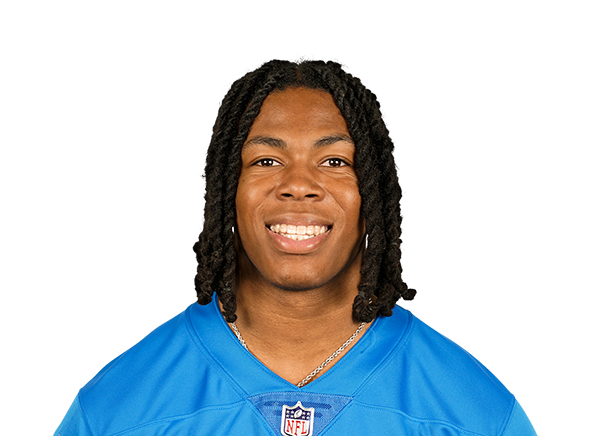
The Lions relied heavily on their running game to overcome the Giants, with Jahmyr Gibbs delivering two explosive touchdowns of 49 and 69 yards in the fourth quarter and overtime. Detroit's offense struggled when Jared Goff faced pressure, but excelled when using play-action and getting the ball out quickly. The defense, while struggling to generate quick pressure, came through when it mattered most with Aidan Hutchinson's game-sealing sack in overtime.
Strategic Implications and Playoff Ramifications
These comebacks carry significant implications for the playoff picture and team evaluations moving forward. The Chiefs secured a crucial victory that keeps them in the postseason conversation, while the Cowboys established themselves as legitimate contenders in the NFC. The Lions maintained their position in the competitive NFC North race, setting up critical divisional matchups in the coming weeks.
Each comeback also revealed strategic tendencies that opponents will study closely. The Chiefs demonstrated their ability to win close games despite offensive inconsistencies, the Cowboys showcased their defensive improvements following key acquisitions, and the Lions highlighted their offensive versatility when the passing game faces challenges.
Conclusion: The Mental Component of Comeback Victories
Beyond the strategic adjustments and individual performances, these three comebacks underscore the mental toughness required to succeed in the NFL. Each team faced not only numerical deficits but also the psychological challenge of reversing momentum against determined opponents. The ability to maintain composure, execute under pressure, and capitalize on opponent mistakes separates elite teams from the rest of the league. As the season progresses toward the playoffs, the lessons learned from these dramatic victories will likely influence coaching decisions, player development, and team identities across the NFL.