Read on PBS News
Frida Kahlo's $54.7M Self-Portrait Breaks Auction Record for Female Artists
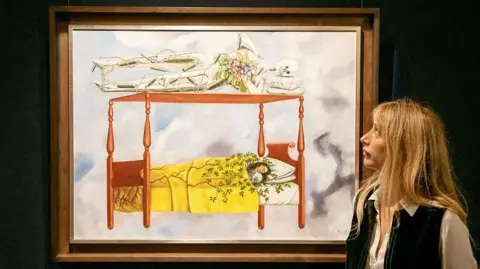
Frida Kahlo's 1940 self-portrait 'El sueño (La cama)' has shattered auction records, selling for $54.7 million at Sotheby's New York to become the most expensive work by any female artist sold at auction. The haunting painting depicts Kahlo asleep in a floating bed surrounded by vines with a skeleton figure above, reflecting her lifelong exploration of mortality and chronic pain. This private sale represents one of the few Kahlo pieces remaining outside Mexico, where her complete body of work is protected as an artistic monument.
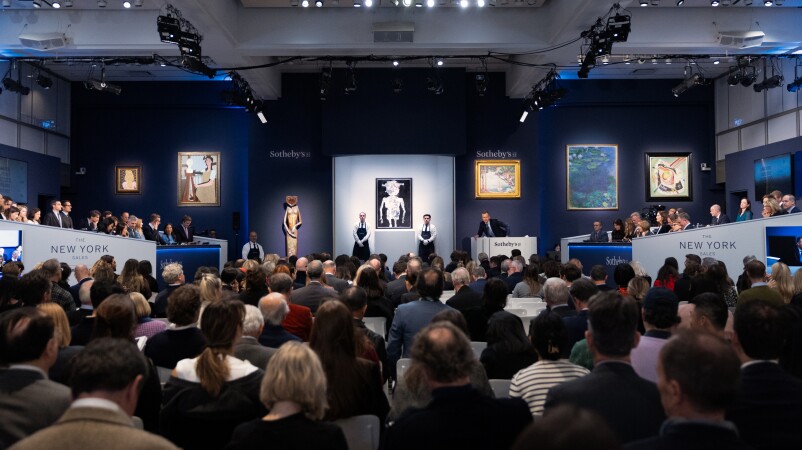
The art world witnessed a historic moment as Frida Kahlo's 1940 self-portrait "El sueño (La cama)" achieved a groundbreaking $54.7 million sale at Sotheby's New York, establishing a new auction record for works by female artists. This remarkable achievement surpasses the previous record held by Georgia O'Keeffe's "Jimson Weed/White Flower No. 1," which sold for $44.4 million in 2014, and also exceeds Kahlo's own previous auction record for a Latin American artist.
Significance of the Record-Breaking Sale
The $54.7 million sale represents more than just a financial milestone—it signifies the enduring cultural impact and artistic legacy of Frida Kahlo. According to the PBS NewsHour report, this painting now stands as the top-selling work by any female artist at auction, cementing Kahlo's position as one of the most significant artists of the 20th century. The sale also highlights the growing recognition and valuation of female artists in the traditionally male-dominated art market.
Artistic and Cultural Context
What makes this particular sale especially noteworthy is that this self-portrait represents one of the few Kahlo pieces that have remained in private hands outside Mexico. As reported by PBS, Kahlo's complete body of work has been declared an artistic monument in Mexico, meaning her works in both public and private collections within the country cannot be sold abroad or destroyed. This legal protection underscores the national significance of Kahlo's artistic legacy to Mexican cultural heritage.
The Painting's Symbolism and Meaning
"El sueño (La cama)" depicts Kahlo asleep in a wooden, colonial-style bed that appears to float among clouds, with the artist draped in a golden blanket and entangled in crawling vines and leaves. Above the bed lies a skeleton figure wrapped in dynamite, creating what Sotheby's catalog described as "a spectral meditation on the porous boundary between sleep and death." This powerful imagery reflects Kahlo's lifelong fascination with mortality, shaped by her experience with chronic pain and multiple surgeries following a devastating bus accident at age 18.
Cultural Heritage Considerations
The sale has prompted important discussions about cultural heritage and the international art market. While the painting was legally eligible for international sale from its private collection, some art historians have expressed concern about the cultural implications of such significant works leaving their country of origin. However, as noted in the PBS coverage, the painting has already been requested for upcoming exhibitions in major international cities including New York, London, and Brussels, suggesting it may remain accessible to public viewing despite its private ownership.

Legacy and Impact
Kahlo's great-niece, Mara Romeo Kahlo, celebrated the significance of the sale, noting during an interview with The Associated Press that "I'm very proud that she's one of the most valued women, because really, what woman doesn't identify with Frida, or what person doesn't? I think everyone carries a little piece of my aunt in their heart." This sentiment reflects Kahlo's enduring appeal and the universal resonance of her work, which continues to inspire generations of artists and admirers worldwide.
The record-breaking sale not only establishes new financial benchmarks for female artists but also reinforces Frida Kahlo's position as a cultural icon whose work transcends national boundaries while remaining deeply rooted in Mexican artistic tradition. As one of the few Kahlo works legally available for international sale, this self-portrait represents both an artistic treasure and a significant moment in the ongoing recognition of women's contributions to the art world.