Larry Summers Steps Back from Public Life Following Epstein Email Revelations
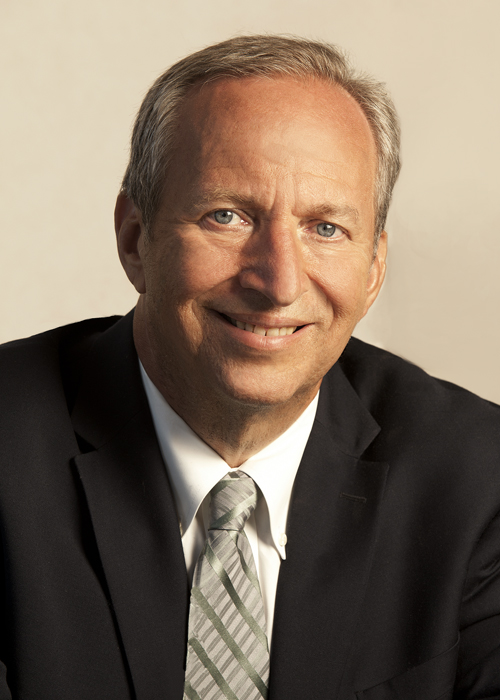
Former Harvard President and Treasury Secretary Larry Summers announced he will step back from public commitments after emails between him and convicted sex offender Jeffrey Epstein were released by the House Oversight Committee. Summers expressed deep shame and took full responsibility for his decision to continue communicating with Epstein, even as the financier's public infamy grew following his 2008 guilty plea. The messages reveal regular communication between the two men during the late 2010s, including personal exchanges about women and Epstein referring to himself as Summers' 'wing man.'
Former Harvard President and Treasury Secretary Larry Summers has announced he will step back from public commitments following the release of emails between him and convicted sex offender Jeffrey Epstein. The communications, revealed last week by the House Oversight Committee, show ongoing correspondence between Summers and Epstein during the final years of the financier's life, raising questions about professional boundaries and judgment among elite academic and political circles.
The Email Revelations
Dozens of messages between Summers and Epstein were included in documents released from Epstein's estate, revealing regular communication during the late 2010s. This period occurred well after Epstein's 2008 guilty plea to prostitution charges in Florida but before his 2019 federal sex trafficking charges. The emails demonstrate that Summers maintained contact with Epstein even as public awareness of the financier's criminal behavior and notoriety continued to grow.
Personal Exchanges and Questionable Content
The released correspondence includes personal exchanges that have drawn particular scrutiny. In one March 2019 message exchange, Summers and Epstein appeared to banter about a woman Summers knew in London. Summers wrote describing a conversation with the woman: "I said what are you up to. She said 'I'm busy.' I said awfully coy u are." Epstein's reply suggested the woman was "making you pay for past errors." In another conversation, Epstein referred to himself as Summers' "wing man," indicating a level of personal familiarity that has raised eyebrows given Epstein's known history.

Summers' Response and Consequences
In his Monday statement, Summers expressed deep remorse for his actions. "I am deeply ashamed of my actions and recognize the pain they have caused. I take full responsibility for my misguided decision to continue communicating with Mr. Epstein," the former Harvard president stated. He announced that while continuing to fulfill his teaching obligations at Harvard, he would be "stepping back from public commitments as one part of my broader effort to rebuild trust and repair relationships with the people closest to me."
Current Professional Standing
Summers remains a professor at Harvard University, where he has taught since stepping down as president in 2006. According to the Harvard Kennedy School course catalog, he currently teaches two classes on globalization and U.S. economic policy. The economist has maintained significant influence in policy circles, having served as Treasury Secretary during the Clinton administration and advised former President Barack Obama during the financial crisis.

Broader Political Implications
The email release has drawn attention from across the political spectrum. Former President Donald Trump called on the Justice Department to investigate Epstein's relationships with Summers, former President Bill Clinton, and other high-profile Democrats. A spokesperson for former President Clinton stated he wasn't aware of Epstein's actions and didn't do anything wrong. Meanwhile, Trump's own past relationship with Epstein has also faced scrutiny, though the former president has denied any wrongdoing.
Harvard's Epstein Connections
Epstein's ties to Harvard were well-documented even before this latest revelation. A 2020 Harvard investigation found that the late financier had donated upward of $9 million to the university prior to his 2008 guilty plea. The university stated it didn't accept donations from Epstein after that point, but records show he continued to engage with faculty and visit the campus dozens of times, highlighting the challenges institutions face in managing relationships with controversial donors.
Moving Forward
As Summers steps back from public life, the situation underscores the ongoing repercussions of associations with Jeffrey Epstein that continue to surface years after his death. The case highlights the complex ethical considerations facing public figures when maintaining relationships with individuals of questionable character, and serves as a reminder that professional judgment extends beyond immediate legal boundaries to encompass broader moral and reputational considerations.